

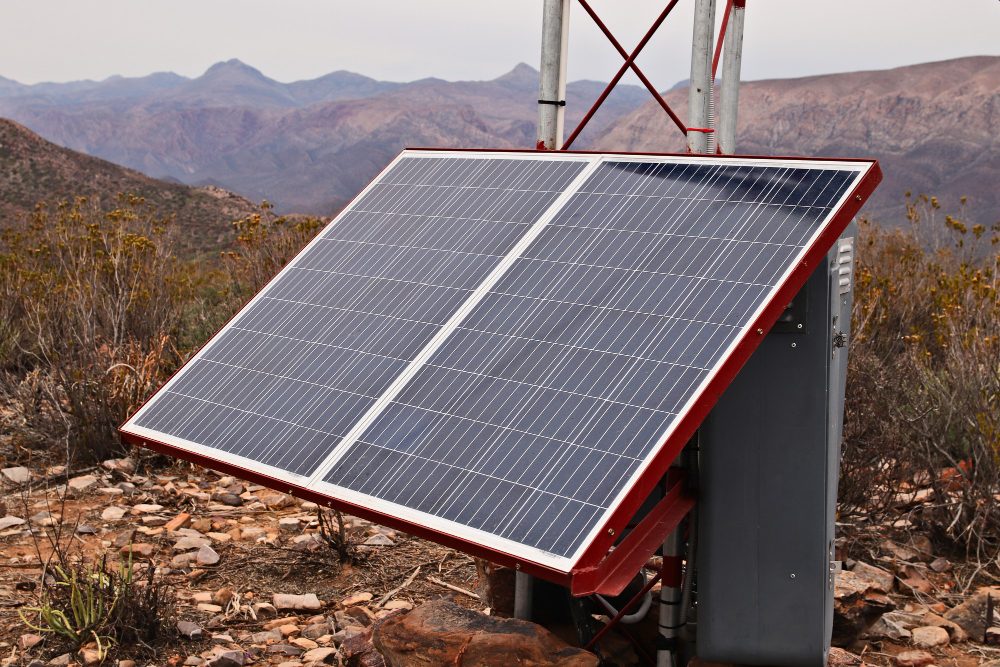
As solar energy continues to evolve, one innovative technology changing the way we capture and convert sunlight is the solar micro inverter. Unlike traditional string inverters that connect multiple panels in series, a micro inverter works individually with each solar module. This allows every panel to operate independently, optimizing power generation even when shading or orientation varies.
A solar micro inverter converts direct current (DC) produced by a single solar panel into alternating current (AC) — the electricity used in homes and businesses. This modular approach enhances system efficiency, improves monitoring accuracy, and provides longer-term reliability. For homeowners looking to maximize output from each panel, micro inverter systems offer a clear technical advantage.
At Portlandia Electric Supply, we believe in educating energy users about the technologies shaping sustainable power. Understanding how micro inverters function is key to designing efficient solar systems that deliver long-lasting returns.
Why Choose Microinverters for Solar Panels?
When designing a solar setup, many installers now recommend microinverters for solar panels because of their scalability and resilience. Each panel’s inverter operates independently, so if one panel experiences shading or minor faults, the others continue performing at full capacity. This flexibility is ideal for residential roofs where sunlight distribution may not be uniform throughout the day.
Another advantage of microinverters for solar panels is system-level monitoring. Each inverter communicates performance data, allowing users to track real-time generation for every individual panel. This level of insight simplifies maintenance and makes diagnosing system issues much faster.
While the initial installation cost may be slightly higher than a traditional inverter system, the improved efficiency, safety, and lifespan of microinverters often justify the investment over time. The ability to expand your system easily — by adding more panels with their own inverters — also makes this technology future-proof for evolving energy needs.
Exploring the Solar Panel Microinverter Design
A solar panel microinverter is typically mounted beneath each solar module. It manages conversion and power conditioning directly at the source, minimizing DC losses that occur when power travels longer distances before inversion. This design improves both energy yield and system safety.
Since solar panel microinverter systems operate at lower DC voltages, the risk of arc faults or high-voltage hazards is greatly reduced. Additionally, this architecture simplifies compliance with modern electrical codes that emphasize safety and fire prevention in residential solar installations.
Modern microinverters are built with advanced algorithms that ensure precise power tracking and maximum efficiency. They adapt dynamically to changing sunlight conditions, ensuring every panel contributes its peak performance.
Advantages of a Solar Panel with Microinverter Setup
Installing a solar panel with microinverter system delivers consistent energy output across variable conditions. Whether partial shading from trees or dirt accumulation affects certain panels, the rest continue generating electricity without interruption.
A solar panel with microinverter setup is also easier to scale. Homeowners can start small and expand later without redesigning the entire inverter system. This flexibility supports gradual investment while maintaining full compatibility and performance integrity.
In grid-tied systems, microinverters also enable seamless integration with energy storage solutions or smart home monitoring technologies. This compatibility helps users track consumption patterns and optimize how solar energy is used, stored, or fed back into the grid.
Conclusion
The transition to microinverter-based solar systems marks an important step in maximizing renewable energy efficiency. With individualized control, better safety, and improved reliability, microinverters represent the next evolution in solar design.
At Portlandia Electric Supply, we support the move toward smarter, modular, and more resilient solar solutions that empower users to make the most of every ray of sunlight. Understanding technologies like the solar micro inverter, microinverters for solar panels, solar panel microinverter, and solar panel with microinverter is the key to making informed decisions about your sustainable energy future.
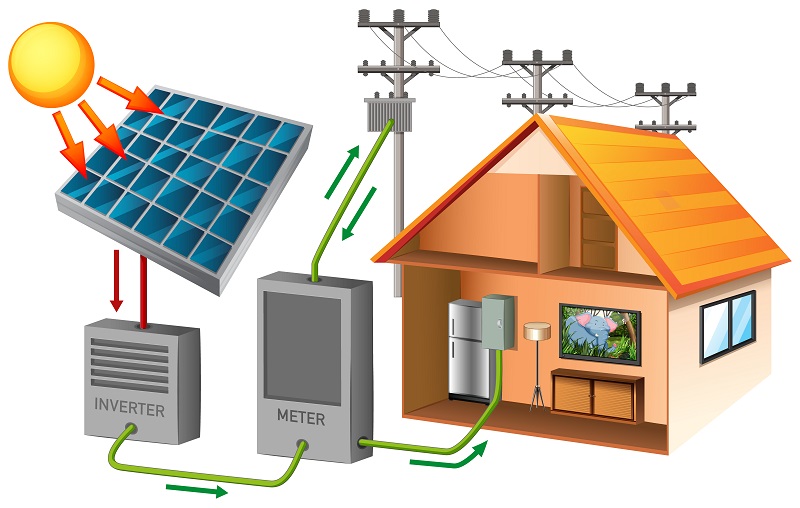
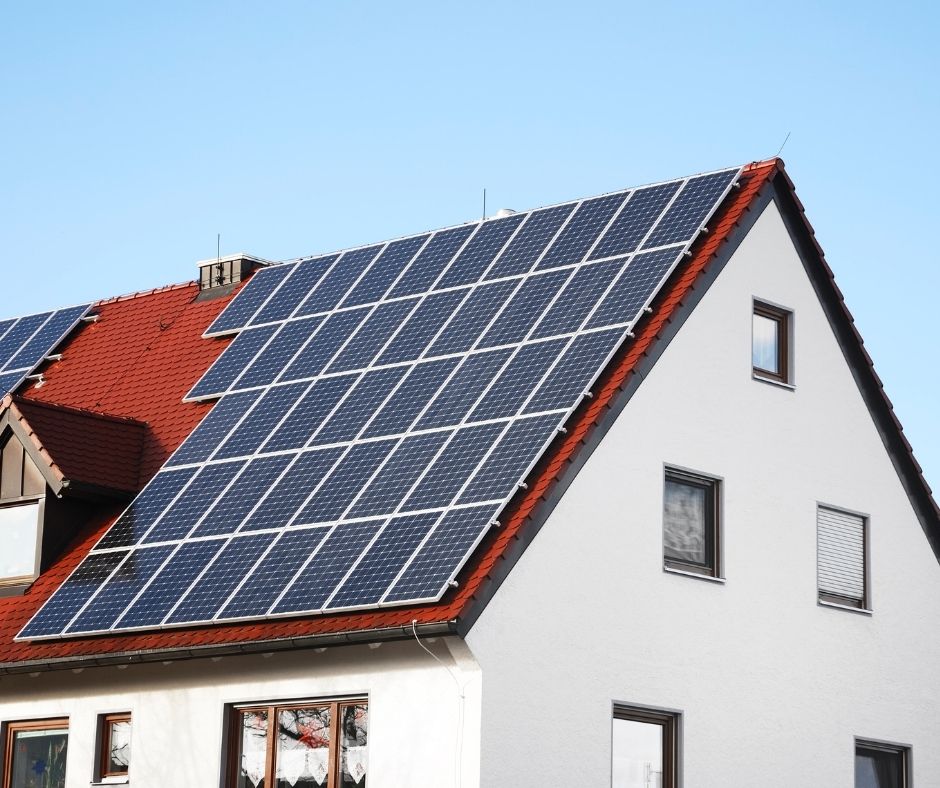
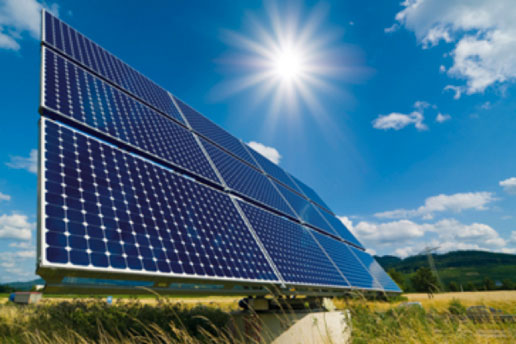
Today I am talking about a great technology which name is solar panel.
We all know that solar system is helpful for the environment.
Here electricity is generated through solar panels using sunlight.Miller solar group is an online solar company where energy power products are available at affordable prices.
They provide solar panels and solar cleaning services to the customers; they work in such a way that the customers are 100% satisfied.
They are one of the few solar cleaning and solar panel installer in the area.
Highly competitive and amazing service.