

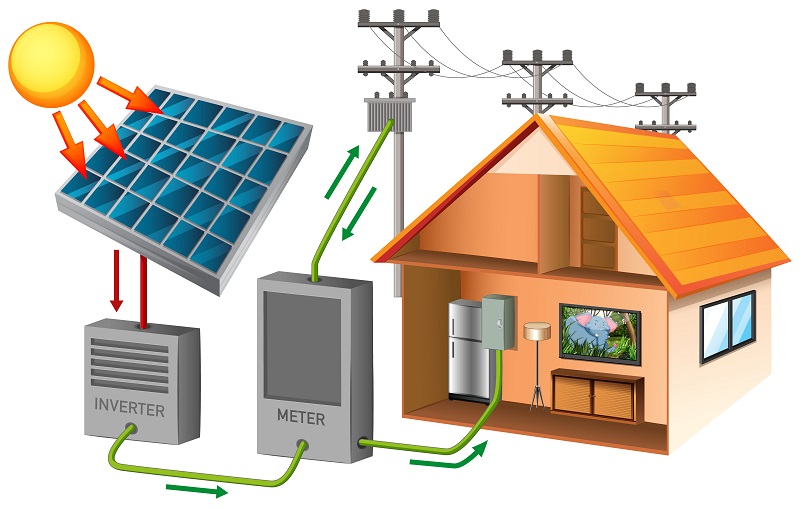
Energy independence is no longer just a dream reserved for remote cabins or experimental homes. Today, more homeowners, businesses, and rural projects are choosing reliable solar solutions to take control of their power needs. An off grid solar system offers freedom from utility companies, protection from outages, and long-term savings—while supporting a cleaner environment.
This detailed guide explains how off-grid solar works, why it’s gaining popularity, and how to design a system that delivers dependable power year-round.
What Makes an Off-Grid Solar System Different?
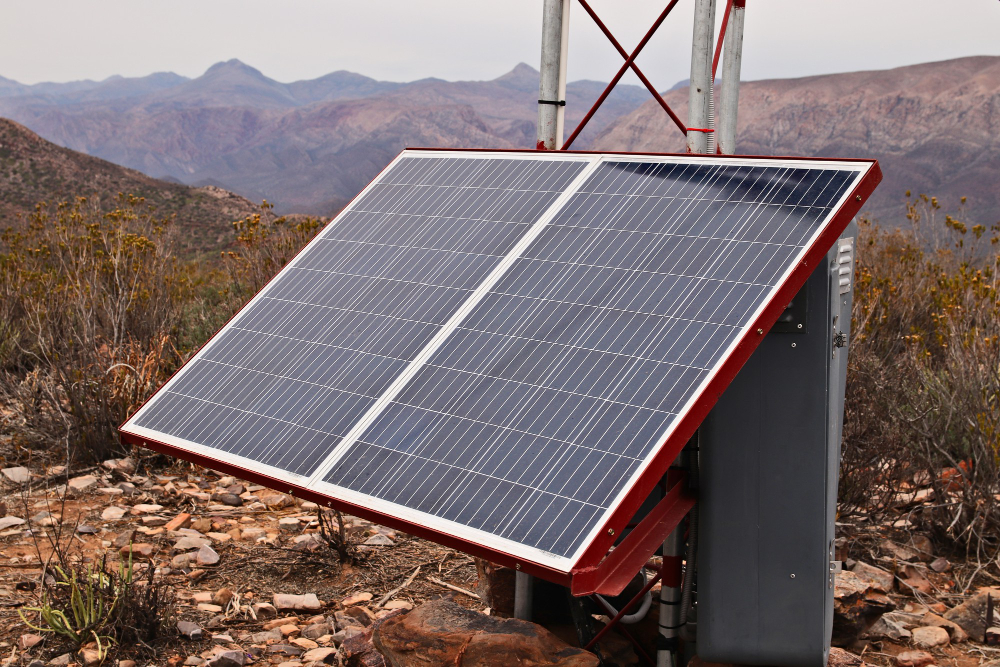
An off grid solar system operates completely independently from the utility grid. Instead of drawing electricity from a power company, it generates energy using solar panels and stores excess power in batteries for use at night or during cloudy days. This setup is ideal for locations where grid access is unreliable, expensive, or unavailable altogether.
Unlike grid-tied systems, off-grid setups require careful planning because every watt of power must be generated and stored on-site. When designed correctly, the result is a self-sustaining energy solution that works day and night.
Key Advantages of Going Off-Grid
Choosing an off grid solar system comes with several long-term benefits that extend beyond simple electricity generation:
- Energy independence: No reliance on power companies or rising electricity rates
- Power security: Continued operation during blackouts and grid failures
- Remote accessibility: Perfect for farms, cabins, construction sites, and rural homes
- Environmental impact: Reduced carbon footprint and cleaner energy use
These advantages make off-grid solar especially attractive for those who value reliability and sustainability.
Core Components of an Off-Grid Setup
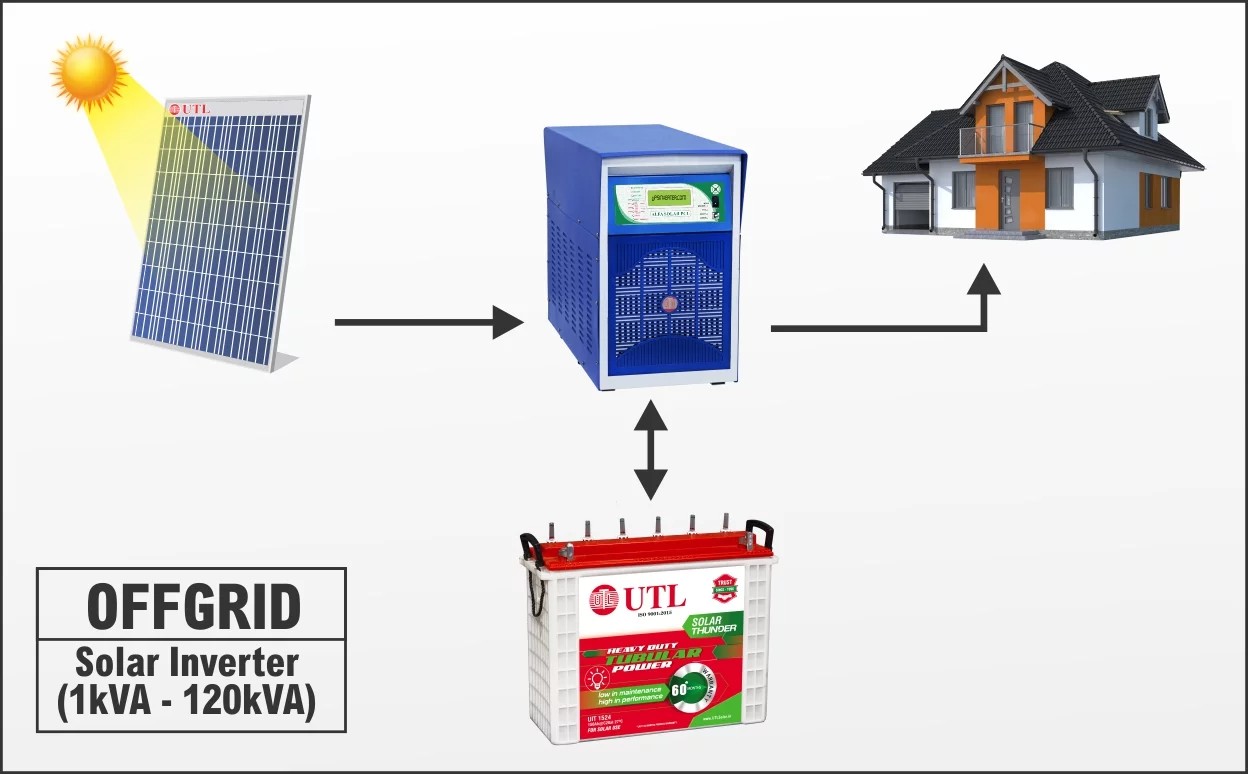
Every off grid solar system is built around a few essential components working together seamlessly:
- Solar panels to capture sunlight and convert it into electricity
- Charge controllers to regulate voltage and protect batteries
- Battery banks to store energy for nighttime or low-sun conditions
- Inverters to convert DC power into usable AC electricity
- Backup generators (optional) for extended low-sun periods
Each component must be sized correctly to ensure consistent power delivery throughout the year.
How to Size the System Correctly
Proper sizing is critical for a successful off grid solar system. It begins with calculating daily energy consumption by listing all appliances and their usage hours. From there, solar panel capacity and battery storage are matched to meet demand even during worst-case weather conditions.
Overlooking this step can result in power shortages or unnecessary overspending. A well-sized system balances performance, reliability, and cost efficiency.
The Importance of Battery Storage
Batteries are the heart of any off grid solar system. They store excess solar energy generated during the day and release it when sunlight isn’t available. Modern battery technologies—such as lithium-ion and lead-carbon—offer improved efficiency, deeper discharge cycles, and longer lifespans.
Selecting the right battery type ensures stable power delivery and reduces maintenance over time, especially for systems designed for heavy daily use.
Installation and Maintenance Considerations
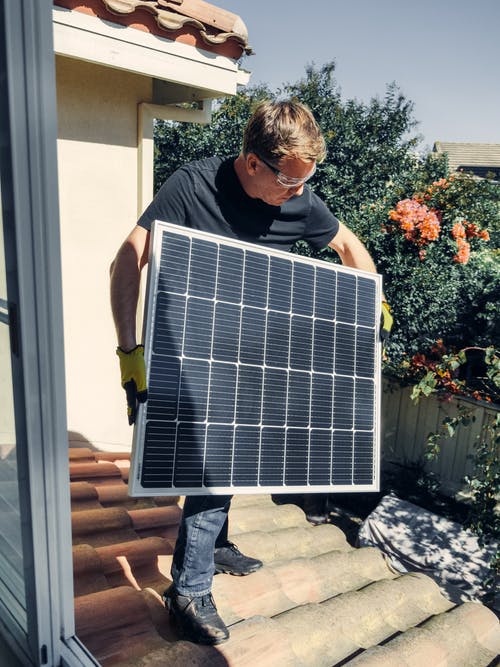
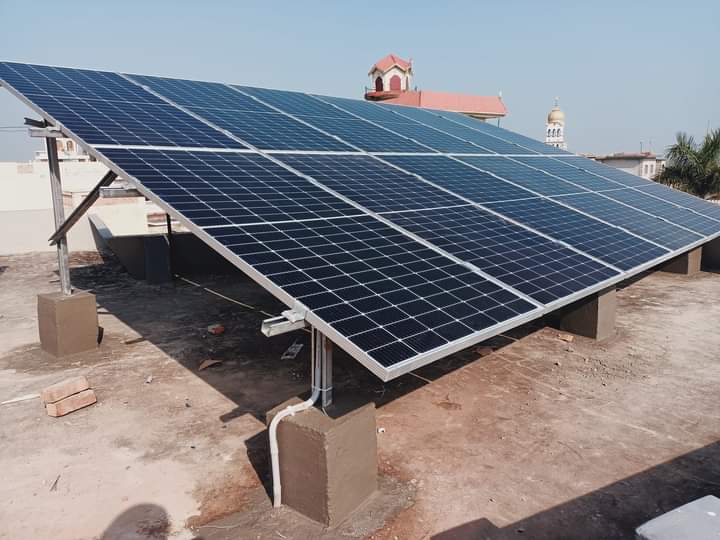
Installing an off grid solar system requires professional planning, proper mounting, and compliance with electrical safety standards. Panel orientation, tilt angle, and shading analysis all affect performance.
Maintenance is generally minimal but important. Regular panel cleaning, battery health checks, and system monitoring help extend equipment life and maintain peak efficiency year after year.
Cost, Savings, and Long-Term Value
While the upfront cost of an off grid solar system can be higher than grid-tied options, the long-term financial benefits are significant. Eliminating monthly electricity bills, avoiding fuel costs, and reducing generator dependence quickly offset initial investments.
Additionally, system components are becoming more affordable and efficient, making off-grid solar a smart long-term asset rather than a short-term expense.
The Future of Off-Grid Energy Solutions
As technology advances, off-grid solar solutions continue to improve in reliability, scalability, and intelligence. Smart energy management systems and high-capacity batteries are making independent power more accessible than ever.
At Portlandia Electric Supply, we believe energy independence is about more than electricity—it’s about confidence, control, and sustainability. An off grid solar system designed with quality components and expert planning can power your future reliably for decades to come.