Reimbursement accuracy is at the heart of financial stability for hospitals. Every medical procedure, diagnostic test, and patient visit must be documented, coded, and billed correctly to secure timely payment. However, navigating insurance rules, payer requirements, and complex billing regulations can make this process challenging. Hospitals that fail to maintain accuracy often face delayed payments, claim denials, or financial losses. That’s why many healthcare organizations rely on Hospital Billing Services to streamline reimbursement processes and safeguard their revenue. These services bridge the gap between care delivery and financial management, ensuring that hospitals are compensated for the critical care they provide.
Why Accurate Reimbursement Matters in Healthcare
In healthcare, financial performance directly affects a hospital’s ability to deliver quality care. Timely reimbursements keep operations running smoothly, funding staff salaries, medical equipment, and patient care programs. When reimbursements are inaccurate or delayed, it can create significant financial pressure, reducing a hospital’s capacity to invest in better services and technologies.
Accurate billing ensures that hospitals are paid for every service rendered without compliance violations or errors. It also builds trust with patients and insurers, promoting transparency and professionalism in the hospital’s financial operations. Ultimately, precise reimbursements allow hospitals to focus on what matters most: delivering effective, patient-centered care.
The Role of Hospital Billing Services in Reimbursement Accuracy
Hospital billing involves far more than submitting claims. It’s a multi-step process that starts with patient registration and ends with final payment collection. Billing specialists handle everything from verifying insurance eligibility to coding procedures, submitting claims, and following up on denials. Each step requires meticulous attention to detail to ensure data accuracy and compliance.
Billing services help hospitals manage these processes systematically. They ensure that every patient encounter is recorded correctly, that proper coding standards (ICD-10, CPT, HCPCS) are used, and that claims are submitted according to payer-specific guidelines. This precision not only reduces the risk of errors but also accelerates payment cycles, ensuring consistent revenue flow.
Common Barriers to Accurate Reimbursement
Despite best efforts, hospitals often face obstacles that hinder reimbursement accuracy. One common challenge is incomplete or inaccurate documentation. If patient information, diagnoses, or procedures are not properly recorded, it can lead to claim rejections. Another issue is inconsistent coding when medical codes do not fully represent the services provided; payers may delay or deny payment.
Additionally, frequent changes in insurance policies and healthcare regulations make it difficult for hospitals to stay compliant. Staff shortages and high administrative workloads can further increase the likelihood of billing mistakes. These challenges highlight the importance of having dedicated billing professionals and technology-driven systems to maintain accuracy.
The Importance of Data Accuracy in Billing
Accurate data is the foundation of efficient hospital billing. From patient demographics to clinical documentation, every piece of information must align across all systems. A single error in data entry—such as a misspelled name or incorrect insurance ID—can result in claim denials and revenue loss.
Billing teams ensure accuracy by cross-verifying details before submission. They validate insurance eligibility, check authorization requirements, and confirm that all coding aligns with the documented medical services. Implementing electronic health records (EHR) integrated with billing platforms also helps reduce manual errors and ensures consistency across departments.
How Technology Enhances Reimbursement Accuracy
Modern billing services leverage automation and data analytics to improve efficiency and accuracy. Advanced billing software can detect missing information, flag potential coding errors, and ensure compliance with payer rules before a claim is submitted. Automation also streamlines repetitive administrative tasks like claim follow-ups and payment posting.
By using artificial intelligence and machine learning, hospitals can predict which claims are at risk of denial and take corrective action proactively. Real-time dashboards provide insights into key performance metrics such as clean claim rates, days in accounts receivable, and denial trends, allowing billing teams to continuously optimize performance.
Technology doesn’t replace human expertise, but it enhances it. When experienced billing professionals work alongside intelligent systems, hospitals achieve the highest levels of accuracy and efficiency.
Reducing Claim Denials Through Proactive Management
Denied claims are one of the biggest threats to hospital revenue. Every denial represents delayed income and additional administrative work. However, most denials are preventable with proactive management. Billing services monitor denial trends, identify recurring issues, and implement corrective strategies.
For example, by analyzing patterns in denied claims, hospitals can pinpoint common issues like missing modifiers, invalid codes, or documentation gaps. Once identified, they can adjust their processes to prevent similar denials in the future. This continuous improvement cycle ensures that reimbursement accuracy increases over time, leading to more stable cash flow.
Building Strong Communication Between Clinical and Billing Teams
Accurate reimbursements depend on seamless collaboration between clinical staff and billing teams. Physicians and nurses provide essential documentation that forms the basis of coding and billing. When communication breaks down, errors can occur—such as undercoding or misinterpretation of procedures.
To prevent this, hospitals establish standardized documentation procedures and regular communication between departments. Billing staff often train clinicians on the importance of detailed records, ensuring that every diagnosis and service is properly captured. This teamwork ensures that claims reflect the full scope of patient care, maximizing reimbursement potential.
The Value of Expertise and Compliance
The complexity of healthcare billing requires specialized expertise. Certified medical coders and billing professionals understand payer regulations, coding updates, and documentation requirements. Their knowledge helps hospitals avoid compliance risks and ensures each claim meets industry standards.
Moreover, compliance with federal laws such as HIPAA and CMS guidelines is crucial. Non-compliance can lead to audits, penalties, and loss of trust. By adhering to strict standards, hospital billing teams protect both the organization’s financial health and its reputation.
When hospitals work with expert billing partners like Dr Biller RCM, they benefit from a combination of skilled professionals and advanced systems designed to improve billing accuracy. This partnership not only ensures compliance but also enhances overall revenue performance.
The Role of Professional Billing Services in Accuracy
Outsourcing billing to experienced professionals can significantly improve reimbursement outcomes. External billing providers specialize in managing complex billing processes, keeping up with changing regulations, and reducing administrative burdens on hospital staff. Their expertise ensures claims are clean, compliant, and processed on time.
Integrating Professional Billing Services helps hospitals focus on their primary mission—delivering high-quality patient care—while experts handle the technical aspects of billing and collections. This collaboration results in fewer denials, faster payments, and greater financial transparency.
Continuous Improvement Through Auditing and Reporting
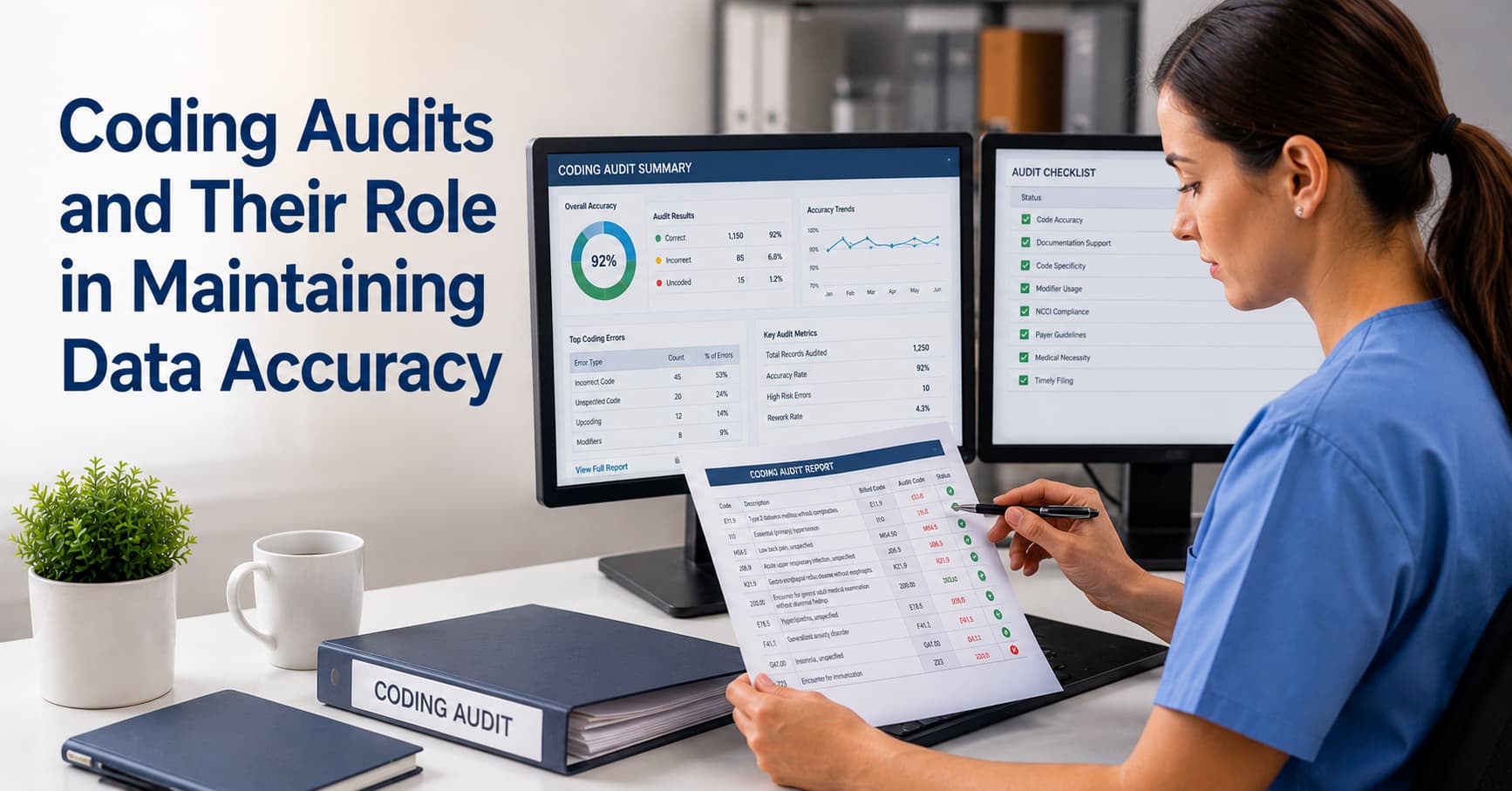
Regular internal audits are essential to maintain billing accuracy. Hospitals review coding, documentation, and claim submission processes to identify areas for improvement. Auditing helps uncover inconsistencies before they become compliance issues or revenue losses.
In addition, robust reporting provides visibility into billing performance. Metrics such as claim rejection rates, average reimbursement time, and net collection ratios allow administrators to track financial progress and make informed decisions. Continuous monitoring ensures that billing processes remain efficient, transparent, and aligned with industry standards.
Conclusion
Accurate reimbursements are not just about getting paid they’re about sustaining healthcare operations, ensuring compliance, and supporting patient trust. By investing in strong Hospital Billing Services, hospitals can improve claim accuracy, reduce denials, and maintain a steady cash flow that supports long-term growth.
For hospitals aiming to strengthen their financial foundation, partnering with a reliable medical billing company can make a transformative difference. With expert oversight, advanced technology, and a commitment to accuracy, healthcare organizations can achieve consistent reimbursements, empowering them to focus on their true purpose: delivering exceptional patient care.