Anxiety affects people in countless ways from racing thoughts and restlessness to difficulty sleeping or concentrating. While these feelings are common, chronic anxiety can interfere with work, relationships, and overall quality of life. Managing it effectively often requires professional help, but finding the right kind of care can be challenging. That’s where nurse practitioners step in. With their holistic and patient-focused approach, they provide accessible, compassionate mental health support that truly makes a difference. When it comes to nurse practitioner anxiety treatment, patients often find that these providers offer the perfect blend of clinical expertise and genuine understanding.
Understanding the Role of Nurse Practitioners in Mental Health
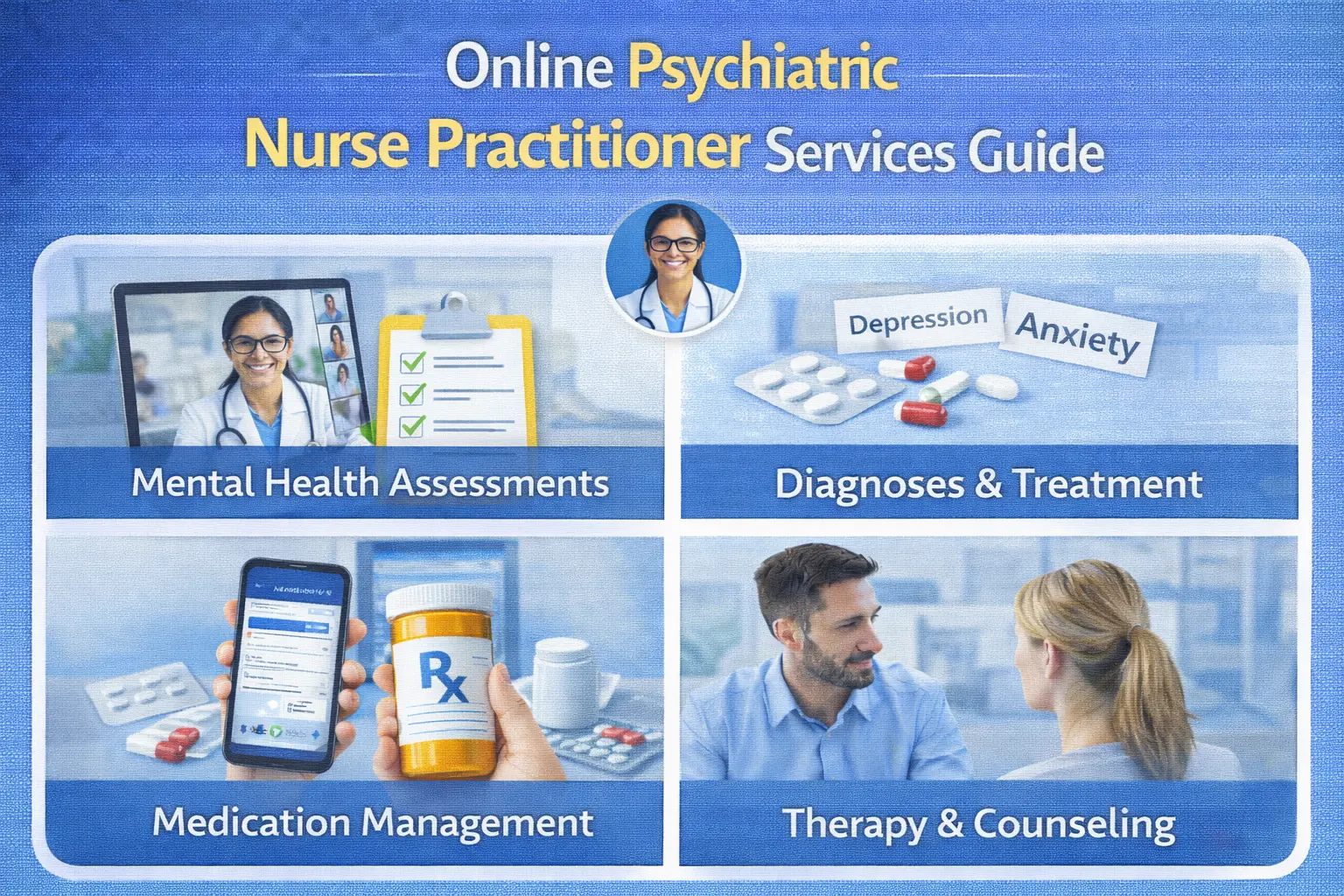
Nurse practitioners (NPs) are advanced practice registered nurses with graduate-level education and specialized clinical training. Many hold certifications in psychiatric or mental health care, allowing them to diagnose conditions, prescribe medications, and provide therapy. Their scope of practice often mirrors that of psychiatrists, but with a distinct emphasis on the person as a whole mind, body, and lifestyle.
In mental health care, NPs are known for their ability to connect with patients. They take time to listen, ask meaningful questions, and understand the factors contributing to anxiety. This holistic approach helps them design treatment plans that don’t just mask symptoms but address underlying causes, from stress and trauma to physical health imbalances.
Why Seeing a Nurse Practitioner for Anxiety Can Be a Game-Changer
1. Accessible and Timely Care
Long wait times for mental health appointments can worsen anxiety symptoms. Nurse practitioners help bridge this gap by expanding access to care. Many work in primary care clinics or telehealth settings, allowing patients to schedule appointments more quickly and receive timely support.
For individuals struggling to manage anxiety day-to-day, having faster access to care can make a world of difference. It ensures that symptoms are addressed early before they escalate into more severe emotional or physical challenges.
2. A Holistic Perspective on Anxiety
Unlike some treatment models that focus solely on medication or psychotherapy, NPs consider multiple dimensions of wellness. They explore how sleep, nutrition, exercise, and even gut health can affect anxiety levels. This comprehensive evaluation leads to more balanced treatment plans that promote long-term improvement, not just temporary relief.
An NP might recommend medication, but they’re just as likely to discuss lifestyle strategies such as relaxation techniques, time management, or mindfulness practices. This multifaceted care model helps patients feel empowered to take control of their own healing process.
3. Strong Patient-Provider Relationships
A defining feature of nurse practitioner care is their ability to build genuine connections. Many patients report feeling more comfortable discussing mental health concerns with NPs because of their compassionate communication style and attentive listening.
This trust creates a safe space where patients can share honestly about their symptoms, treatment goals, and fears. It also encourages open dialogue about sensitive topics like medication adjustments or therapy challenges key components of successful anxiety management.
How Nurse Practitioners Create Effective Anxiety Treatment Plans
Step 1: Comprehensive Evaluation
The first step in effective treatment is understanding the full picture. Nurse practitioners begin by conducting detailed assessments that cover both medical and emotional histories. They may use clinical tools like the GAD-7 to measure anxiety severity while also exploring stressors, triggers, and past coping mechanisms.
Step 2: Individualized Treatment
Once the root causes are identified, NPs create customized treatment plans. These may include medication management, therapy, or a mix of both. What sets them apart is their flexibility—they adjust plans as needed, ensuring care evolves alongside the patient’s progress.
Step 3: Medication Management
If medication is part of the plan, NPs monitor its effectiveness closely. They explain how medications work, what side effects to watch for, and how to incorporate them safely into daily routines. Patients often appreciate this transparency, which helps reduce anxiety about taking medications.
For those concerned about Long-Term Anxiety Meds, nurse practitioners provide education on options that minimize dependency risks while promoting stability. Their expertise ensures that each prescription is carefully chosen and regularly reviewed to maintain both safety and effectiveness.
Step 4: Integrating Therapy and Coping Strategies
Medication alone is rarely the full answer. Nurse practitioners often incorporate therapeutic techniques like cognitive-behavioral therapy (CBT), relaxation exercises, and mindfulness-based stress reduction. These evidence-based methods teach patients to reframe anxious thoughts and respond to stress more calmly.
By combining clinical care with emotional support, NPs help patients build lifelong coping skills that go far beyond the treatment room.
The Importance of Ongoing Support
Anxiety management isn’t a one-time fix it’s an evolving journey. Nurse practitioners prioritize consistent follow-ups to track progress and make necessary adjustments. Whether it’s changing medication dosage, refining coping strategies, or celebrating small victories, these regular check-ins help patients feel supported and encouraged.
This continuous partnership is one of the greatest advantages of NP-led care. Instead of feeling alone in the process, patients have a knowledgeable and empathetic ally guiding them every step of the way.
Nurse Practitioners vs. Traditional Providers: What Sets Them Apart
While psychiatrists and psychologists play critical roles in mental health care, nurse practitioners offer unique advantages that often make them a preferred choice for anxiety management:
Accessibility: Easier appointment availability and lower costs compared to psychiatrists.
Personal Connection: More time spent with patients and a focus on relationship-based care.
Holistic Focus: Attention to both physical and emotional factors affecting mental health.
Collaborative Style: Encouraging patients to take an active role in decision-making.
This well-rounded approach ensures patients receive not just treatment but understanding, education, and empowerment.
Telehealth: Expanding Access to Anxiety Care
The rise of telehealth has transformed mental health treatment, making it easier than ever to connect with experienced professionals. Nurse practitioners have been at the forefront of this shift, offering virtual appointments that bring care to patients’ homes.
Telehealth offers several benefits for anxiety management:
Comfort: Patients can attend sessions from familiar, calming environments.
Convenience: No travel time or missed work for appointments.
Consistency: Easier to maintain regular check-ins and follow-ups.
For many, this accessibility means anxiety no longer stands in the way of receiving consistent, high-quality care.
The Emotional Impact of Nurse Practitioner Care
Beyond medications and therapy, NPs help patients feel genuinely supported. Their compassionate approach can reduce feelings of isolation and shame two emotions that often accompany anxiety disorders.
By normalizing open discussions about mental health, nurse practitioners empower patients to recognize that seeking help is a strength, not a weakness. This emotional validation plays a major role in recovery and long-term confidence.
Education and Prevention
Another benefit of working with NPs is their focus on education. They teach patients about how anxiety develops, what triggers it, and how to prevent relapses. This proactive strategy transforms anxiety management from reactive treatment into lifelong prevention.
Education also helps patients recognize early warning signs of anxiety flare-ups, allowing for quick interventions that prevent symptoms from escalating.
Final Thoughts
Seeing a nurse practitioner for anxiety management can be a life-changing experience. Their blend of medical expertise, empathy, and accessibility offers a comprehensive path to emotional wellness. Through personalized care, open communication, and ongoing support, nurse practitioners guide patients toward lasting stability and peace of mind.
If you’re seeking compassionate, expert help, Serenity Telehealth provides a trusted option for individuals ready to take charge of their mental health. Working with an Online Mental Health Provider in New York ensures convenient access to skilled professionals who understand your needs. Their dedicated team specializes in nurse practitioner anxiety treatment, combining evidence-based care with a personalized touch to help you rediscover calm and confidence.