Anxiety can appear in many forms from sudden panic attacks to chronic worry that lingers day after day. For many, medication plays a key role in restoring balance and peace of mind. But not all anxiety medications work the same way, and understanding the difference between short-term and long-term options is essential for finding what works best. This knowledge helps patients make informed decisions and have realistic expectations during treatment. Many individuals who seek Anxiety Treatment & Medication services learn that the type of medication prescribed depends not only on their symptoms but also on how long those symptoms have been affecting their daily lives.
Understanding How Anxiety Medications Work
Anxiety medications help regulate the brain’s neurotransmitters chemicals responsible for mood, emotion, and stress response. These medications don’t “cure” anxiety but rather manage its symptoms, helping individuals feel calmer and more in control. The right medication allows people to function better, participate in therapy more effectively, and regain their sense of normalcy.
Healthcare providers typically divide anxiety medications into two main categories: short-term and long-term. Each serves a unique purpose and is selected based on the patient’s diagnosis, symptom severity, and medical history.
Short-Term Anxiety Medication
Short-term medications are designed to provide fast relief during acute episodes of anxiety or panic. They act quickly, often within minutes or hours, helping reduce physical symptoms like a racing heart, trembling, or overwhelming fear.
1. Benzodiazepines
The most common type of short-term anxiety medication is benzodiazepines, such as alprazolam (Xanax), lorazepam (Ativan), and diazepam (Valium). These medications enhance the calming effects of GABA (gamma-aminobutyric acid), a neurotransmitter that slows down brain activity and promotes relaxation.
Benefits:
Rapid relief during panic attacks or severe anxiety
Effective for short-term management of situational anxiety
Helps restore sleep during acute stress periods
Drawbacks:
Can cause drowsiness, memory issues, or reduced coordination
Risk of dependence with long-term use
May require gradual tapering to avoid withdrawal symptoms
Because of their addictive potential, benzodiazepines are generally prescribed for short durations—often no longer than a few weeks.
2. Beta-Blockers
Though primarily used for heart conditions, beta-blockers such as propranolol can help manage physical symptoms of anxiety, like trembling, sweating, or rapid heartbeat. They are particularly useful for performance anxiety or social situations that trigger stress.
Benefits:
Targets physical symptoms rather than emotional ones
Works quickly to calm the body’s stress response
Drawbacks:
Not effective for generalized anxiety or chronic worry
May lower blood pressure or heart rate too much if not monitored properly
Short-term medications can be lifesavers for immediate relief, but they’re not a long-term solution. Once symptoms stabilize, healthcare providers often transition patients to medications designed for sustained management.
Long-Term Anxiety Medication
Long-term medications are used to manage ongoing anxiety disorders such as Generalized Anxiety Disorder (GAD), panic disorder, or social anxiety. These medications take longer to work sometimes several weeks but they address the root causes of anxiety by balancing neurotransmitters over time.
1. Selective Serotonin Reuptake Inhibitors (SSRIs)
SSRIs, including sertraline (Zoloft), escitalopram (Lexapro), and fluoxetine (Prozac), are among the most common long-term anxiety medications. They increase serotonin levels in the brain, improving mood and emotional regulation.
Benefits:
Non-addictive and safe for long-term use
Effective for a wide range of anxiety disorders
Can improve sleep, focus, and energy levels
Drawbacks:
May take 4–6 weeks to show effects
Possible side effects include nausea, fatigue, or sexual dysfunction
2. Serotonin-Norepinephrine Reuptake Inhibitors (SNRIs)
SNRIs, such as venlafaxine (Effexor) and duloxetine (Cymbalta), work similarly to SSRIs but also affect norepinephrine levels, providing an additional boost in energy and focus.
Benefits:
Effective for both anxiety and depression
Can enhance motivation and concentration
Drawbacks:
May cause elevated blood pressure or insomnia in some users
Requires consistent dosing for stability
3. Buspirone
Buspirone (Buspar) is another long-term medication used for generalized anxiety. It works differently from benzodiazepines and has a lower risk of dependence.
Benefits:
Safe for daily, ongoing use
Minimal sedation or cognitive impairment
Drawbacks:
Takes several weeks to build effectiveness
Less effective for panic disorder or acute anxiety
Long-term medications aim to prevent anxiety from becoming overwhelming rather than just treating flare-ups. They’re ideal for individuals needing steady symptom control to maintain focus, sleep, and emotional balance.
Combining Short-Term and Long-Term Medication
In many cases, healthcare providers use a combination approach prescribing short-term medication for immediate relief while waiting for long-term medications to take effect. For example, a patient might take a benzodiazepine for the first few weeks while starting an SSRI. Once the SSRI becomes effective, the short-term medication is tapered off.
This blended method allows patients to function comfortably without long-term dependence on fast-acting drugs. It’s a balanced strategy that ensures both short-term comfort and lasting wellness.
Factors Healthcare Providers Consider
When deciding between short-term and long-term anxiety medications, healthcare providers assess several important factors:
Type and severity of anxiety: Is it situational, chronic, or panic-based?
Patient history: Has the person used anxiety medications before, and how did they respond?
Risk of dependency: Is the patient at risk for misuse or addiction?
Lifestyle and preferences: Does the patient prefer daily medication or as-needed treatment?
Coexisting conditions: Are there other mental health or medical issues present?
By taking these factors into account, providers develop customized treatment plans that prioritize both effectiveness and safety.
Therapy and Lifestyle Integration
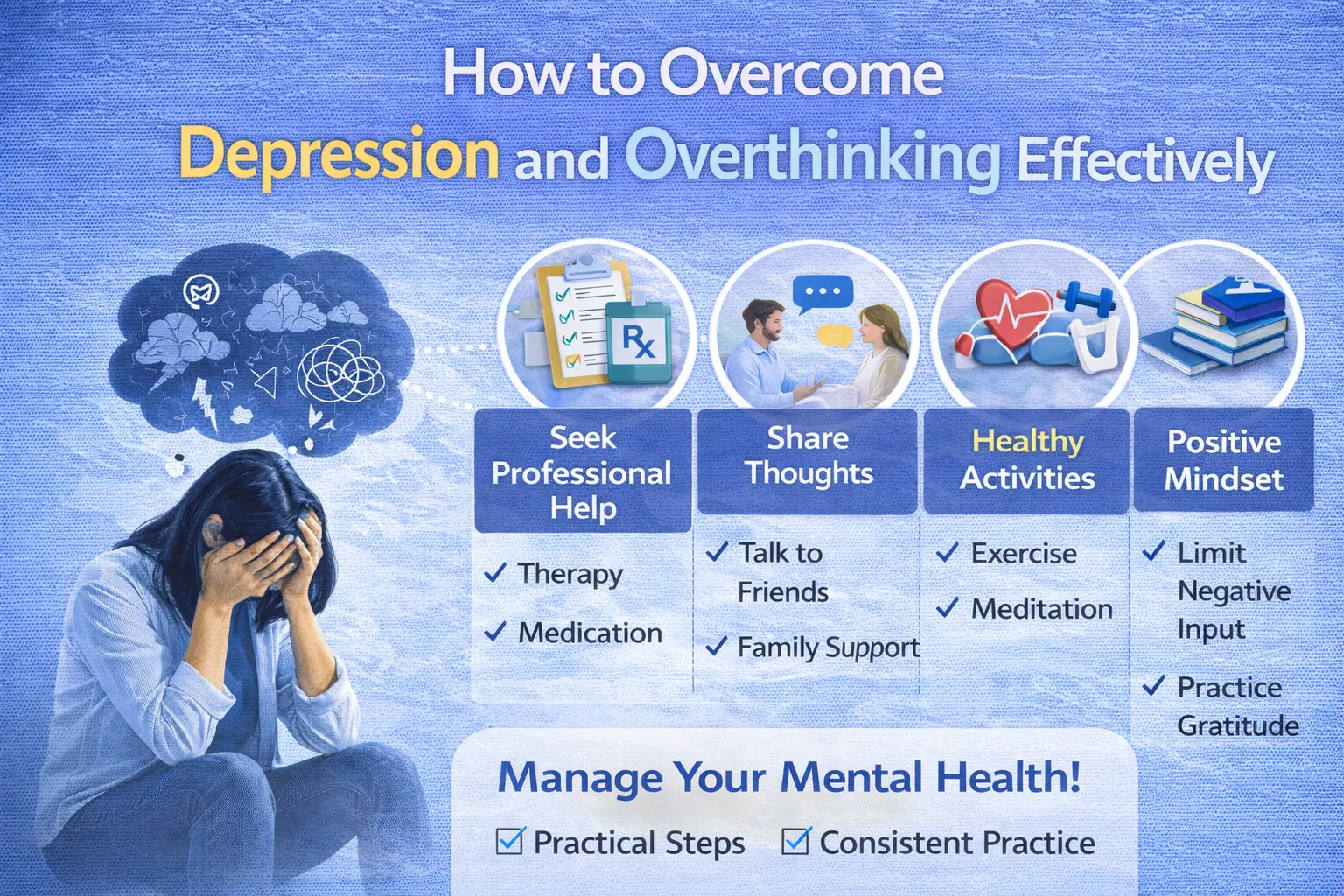
Medication alone can’t fully address anxiety it works best when combined with therapy and lifestyle changes. Cognitive Behavioral Therapy (CBT), mindfulness training, and relaxation techniques can strengthen coping mechanisms and reduce reliance on medication over time.
Incorporating therapy and wellness practices ensures long-term emotional resilience. Exploring options Based to Anxiety Treatment can give patients insight into how integrated care leads to lasting recovery.
Adjusting or Stopping Medication Safely
Any changes to anxiety medication should always be made under medical supervision. Stopping medication abruptly can cause withdrawal symptoms or trigger a return of anxiety. Providers typically recommend a gradual tapering process and continued therapy support during and after the transition.
Regular follow-ups are essential, as they allow healthcare professionals to monitor progress, manage side effects, and adjust the plan when necessary.
The Role of Serenity Telehealth
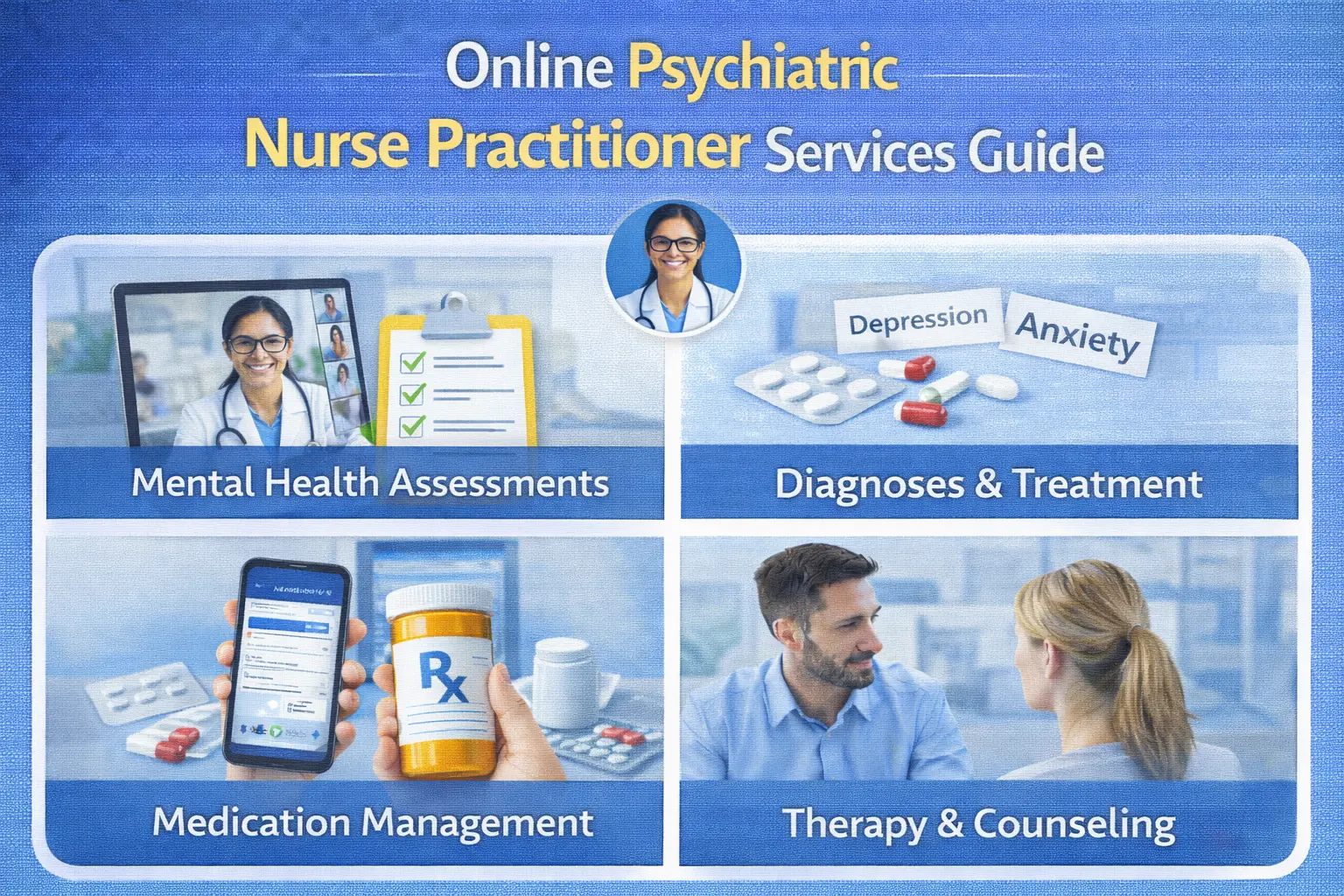
Modern technology has made anxiety treatment more accessible than ever. Serenity Telehealth provides compassionate, professional care through online consultations, allowing individuals to receive personalized medication management and therapy from the comfort of home. This convenience is especially helpful for those balancing busy schedules or dealing with transportation barriers.
Finding Trusted Online Psychiatric Support
If you’re exploring treatment options or want to understand which medication type might be right for you, working with an Online Psychiatric in New York can be a valuable first step. Experienced providers can assess your symptoms, explain available medications, and guide you through a safe, effective plan tailored to your needs.
In Summary:
The difference between short-term and long-term anxiety medication lies in how they act and what they aim to achieve. Short-term medications provide fast relief during crises, while long-term options build stability and prevent anxiety from taking control. By combining medication, therapy, and lifestyle changes—and working closely with professionals—patients can achieve balance, control, and peace of mind for the long run.