In recent years, researchers have begun to uncover a fascinating relationship between the foods we eat and how our brains function. This connection often referred to as the gut-brain connection plays a vital role in mental health, particularly in conditions like bipolar disorder. While medication and therapy remain the cornerstone of treatment, growing evidence suggests that diet and gut health can influence mood stability, cognitive performance, and emotional well-being.
In this article, we’ll explore how diet impacts bipolar disorder, what science says about the gut-brain connection, and how certain dietary choices may help support better mental balance.
Understanding Bipolar Disorder
Bipolar disorder is a chronic mental health condition characterized by extreme mood swings that include emotional highs (mania or hypomania) and lows (depression). These mood changes can affect sleep, energy levels, behavior, and decision-making. The condition varies in severity and may require lifelong management.
Common treatment options for bipolar disorder include mood stabilizers, psychotherapy, and lifestyle changes. However, researchers are now turning their attention to an often-overlooked factor nutrition. The relationship between the gut and brain is becoming a crucial area of study in understanding how our diets influence emotional regulation.
The Gut-Brain Connection Explained
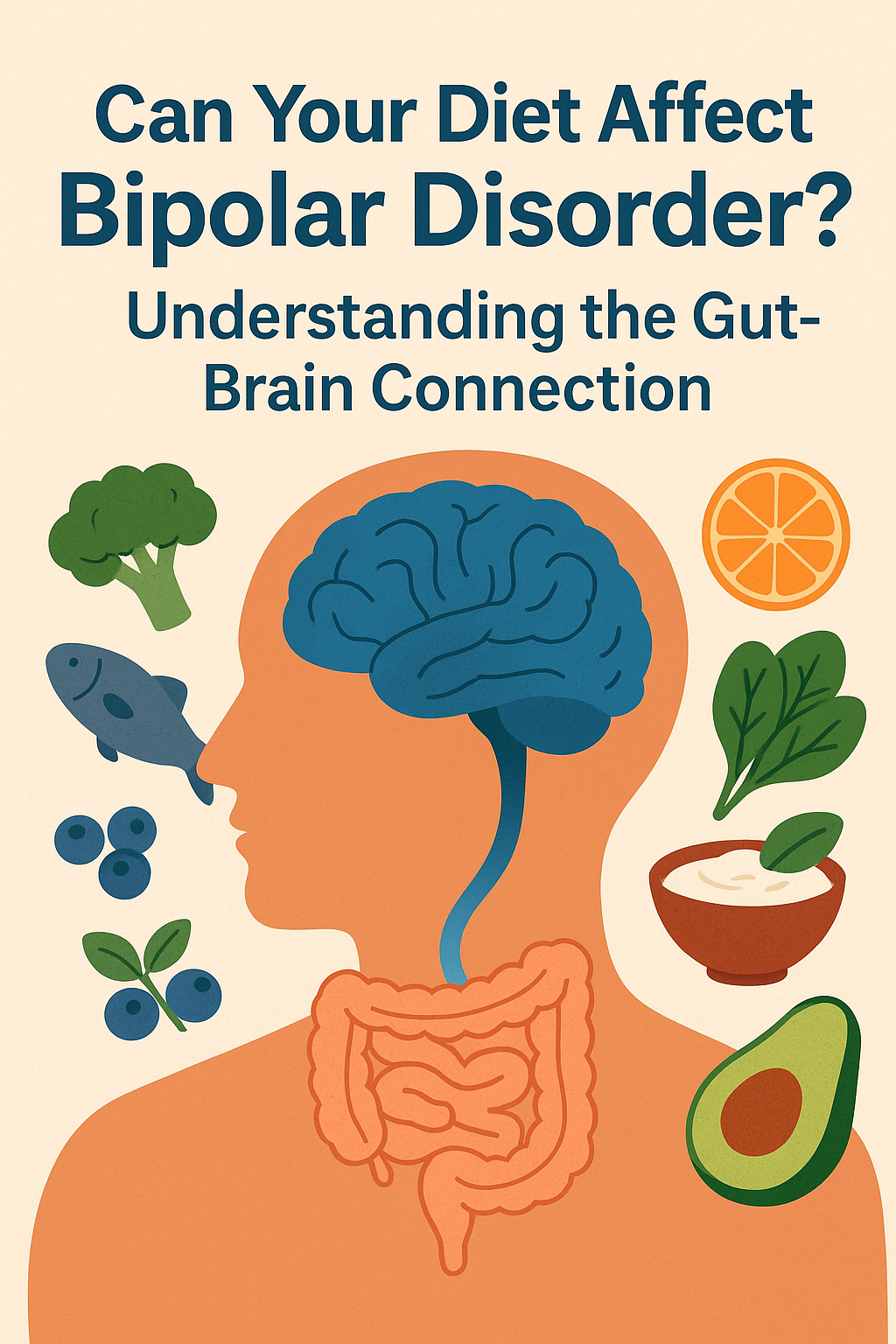
The gut is often called the “second brain” because it contains millions of neurons that communicate directly with the brain through the vagus nerve. This communication system, known as the gut-brain axis, regulates mood, cognition, and even immune function.
The gut is also home to trillions of bacteria collectively known as the gut microbiome which play an essential role in digestion, nutrient absorption, and mental health. These bacteria produce neurotransmitters like serotonin and dopamine, which are directly involved in mood regulation.
When the gut microbiome is healthy and balanced, it supports optimal brain function. However, when it becomes imbalanced (a condition called dysbiosis), inflammation and mood instability may follow. This imbalance can contribute to worsening symptoms of bipolar disorder, anxiety, and depression.
How Diet Influences Bipolar Disorder
Food is more than just fuel it is information for your brain and body. What you eat can influence inflammation, neurotransmitter production, and overall mental clarity. Let’s explore how diet impacts bipolar disorder:
1. Inflammation and Mood Stability
Chronic inflammation is linked to several psychiatric conditions, including bipolar disorder. Diets high in processed foods, refined sugars, and unhealthy fats can increase inflammation, potentially worsening mood swings. On the other hand, anti-inflammatory diets rich in whole foods, fruits, vegetables, and omega-3 fatty acids have been shown to promote emotional stability.
Omega-3 fatty acids, found in fish like salmon and sardines, are especially beneficial for brain health. Studies show that individuals with bipolar disorder who consume omega-3 supplements experience fewer depressive episodes and improved mood regulation.
2. Blood Sugar and Energy Levels
Unstable blood sugar levels can cause irritability, fatigue, and mood fluctuations. Foods high in refined carbohydrates like white bread, pastries, and sugary drinks can cause rapid spikes and crashes in blood sugar. This instability can mimic or exacerbate mood changes in people with bipolar disorder.
To maintain stable energy levels, experts recommend choosing complex carbohydrates such as whole grains, legumes, and vegetables, which provide sustained energy and support balanced moods.
3. The Role of Gut Microbiota
An imbalanced gut microbiome may increase inflammation and alter neurotransmitter production. For individuals with bipolar disorder, this can mean intensified mood symptoms or difficulty responding to medication.
Including probiotic-rich foods such as yogurt, kefir, sauerkraut, and kimchi can help restore a healthy gut balance. Additionally, prebiotic foods like garlic, onions, bananas, and oats feed beneficial gut bacteria, strengthening the gut-brain connection.
4. Nutrient Deficiencies and Mental Health
Certain vitamins and minerals play a crucial role in brain function. Deficiencies in vitamin D, magnesium, folate, and B vitamins have been linked to worsening symptoms of bipolar disorder. These nutrients support energy metabolism, neurotransmitter synthesis, and stress response.
Adding leafy greens, nuts, seeds, eggs, and fatty fish to your diet can help ensure adequate intake of these mood-supporting nutrients. In some cases, supplements may be recommended by healthcare professionals.
5. Caffeine and Alcohol Consumption
While caffeine can temporarily boost alertness, excessive intake may trigger anxiety, insomnia, or manic episodes in people with bipolar disorder. Similarly, alcohol can disrupt sleep patterns and interfere with mood-stabilizing medications. Reducing or avoiding these substances can significantly improve mood consistency and treatment outcomes.
The Science Behind the Gut-Brain Axis and Bipolar Disorder
Recent research suggests that the gut microbiome may play a key role in the development and progression of bipolar disorder. A 2019 study published in Frontiers in Psychiatry found that individuals with bipolar disorder had distinct gut bacterial compositions compared to healthy participants. The imbalance was associated with increased inflammation and reduced production of short-chain fatty acids compounds known to protect brain health.
Moreover, experimental models indicate that gut bacteria can influence neurotransmitter systems, stress responses, and even the effectiveness of psychiatric medications. This growing body of evidence highlights the importance of maintaining gut health as part of a holistic approach to managing bipolar disorder.
Foods That Support a Healthy Mind and Gut
Here are some of the most beneficial foods for individuals managing bipolar disorder:
1. Fatty Fish
Rich in omega-3 fatty acids that enhance mood and reduce inflammation.
2. Leafy Greens
High in magnesium and folate essential nutrients for mental well-being.
3. Whole Grains
Provide steady energy and promote serotonin production.
4. Probiotic Foods
Yogurt, kefir, kimchi, and sauerkraut help maintain a balanced gut microbiome.
5. Nuts and Seeds
Offer healthy fats, zinc, and magnesium, which support brain function.
6. Berries and Citrus Fruits
Packed with antioxidants that combat oxidative stress in the brain.
7. Fermented Foods
Support gut bacteria diversity and enhance nutrient absorption.
Foods to Limit or Avoid
Certain dietary habits can negatively affect mood and mental health:
Processed and fried foods: Linked to increased inflammation and depressive symptoms.
Refined sugars and carbohydrates: Cause blood sugar fluctuations and irritability.
Artificial sweeteners: May disrupt gut bacteria and contribute to anxiety.
Alcohol and caffeine: Interfere with sleep and may trigger manic or depressive episodes.
By minimizing these foods, individuals with bipolar disorder can reduce mood instability and promote better long-term wellness.
Lifestyle Tips to Strengthen the Gut-Brain Connection
Diet alone cannot cure bipolar disorder, but it can complement traditional treatments. Pairing nutritional changes with healthy lifestyle habits can optimize results:
Prioritize Sleep: Maintain a consistent sleep routine to stabilize mood cycles.
Manage Stress: Engage in mindfulness, yoga, or meditation to calm the nervous system.
Exercise Regularly: Physical activity boosts serotonin levels and supports gut motility.
Stay Hydrated: Water aids digestion and detoxification.
Take Medications as Prescribed: Never substitute dietary changes for medical treatments.
When to Seek Professional Help
If you or someone you love is living with bipolar disorder, professional guidance is essential. While diet can play a supportive role, medical management, therapy, and regular psychiatric care are the foundation of effective treatment. Online platforms like HelloDoc make it easier than ever to connect with qualified mental health professionals who can help tailor a comprehensive plan for your needs from therapy sessions to medication management.
Final Thoughts
The connection between diet, gut health, and bipolar disorder is a promising area of research that emphasizes the power of lifestyle in supporting mental health. By nurturing your gut microbiome and making mindful food choices, you can enhance emotional balance and overall well-being.
Remember nutrition is not a replacement for medical treatment but a valuable ally. A balanced diet, combined with professional care, can help you take meaningful steps toward stability and a healthier, more fulfilling life.