
The African consumer market is frequently hailed as the next frontier for growth, propelled by rapid urbanization and a young, digitally-aware populace. For global and regional Fast-Moving Consumer Goods (FMCG) corporations, the sales opportunity is undeniable. Yet, the journey from centralized inventory to consumer purchase is fraught with systemic inefficiency, a crippling barrier known as the Route-to-Market (RTM) challenge.
Success here demands more than just aggressive marketing; it requires a technologically sophisticated RTM strategy. The traditional model, relying on legacy systems or manual processes, simply cannot sustain the required scale and precision.
This is where specialized RTM Technology enters the operational landscape, transforming chaos into a predictable supply chain.
Systemic Roadblocks: Why Conventional RTM Fails in Africa
To achieve sustainable, profitable scale in African FMCG, organizations must master four unique challenges that generic enterprise resource planning (ERP) or customer relationship management (CRM) systems consistently fail to address:
1. Mastering the Traditional Trade (TT) Data Black Hole
The vast majority of retail transactions occur not in modern trade supermarkets, but across millions of independent stalls, kiosks, and small local shops. This informal ecosystem is the heart of African commerce, known as the Traditional Trade (TT).
• The Technical Problem: This fragmentation creates a profound Data Black Hole. Attempting to capture accurate, granular data on stock-out rates, pricing compliance, and merchandising execution across this immense network is virtually impossible manually, leading to managerial decisions based on aggregated estimates, not validated facts.
2. Last-Mile Logistics and Operational Accountability
The final delivery leg, often executed via Van Sales, is a complex logistical nightmare due to poor infrastructure and non-standardized addressing.
• The Technical Impact: Inefficient route planning translates directly to low Daily Outlet Coverage (D.O.C) rates, excessive fuel consumption (higher Cost-to-Serve), and high Supply Chain Leakage rates due to a lack of real-time, geocoded accountability for inventory movement.
3. Chronic Sales Forecast Inaccuracy
Traditional forecasting relies on reliable historical data. Because the Traditional Trade is largely un-digitized, this data is often unavailable or inconsistent, leading to major inventory imbalances.
• The Consequence: Brands suffer from a vicious working capital cycle, costly stock-outs that erode market share versus expensive overstocking which ties up liquidity and increases write-offs from expiry.
4. Navigating the Digital Connectivity Divide
Field sales teams frequently operate in areas with intermittent, low-speed internet connectivity. Standard cloud-dependent Sales Force Automation (SFA) applications become unusable, forcing agents back to paper processes.
• The Operational Impact: This breakdown causes severe data latency, delayed order fulfillment, and a sharp decline in field force data compliance.
The RTM Tech Advantage: AI-Powered Solutions
The forward-thinking solution involves adopting specialized SFA platforms built with Artificial Intelligence (AI) and a deep understanding of the African operational context. These solutions transform systemic challenges into genuine competitive advantages.
1. AI-Optimized Beat Planning and Geo-Compliance
Advanced RTM platforms leverage AI algorithms for sophisticated Beat Planning (scheduling and zoning) and real-time Route Optimization.
• How it Works: The AI dynamically analyzes factors like average service time, geographic clustering, and sales potential to generate the most efficient daily routes, verified by Geo-fencing and GPS tracking.
• The Technical Uplift: Brands typically record a documented 20-30% increase in daily outlet penetration, maximizing sales productivity per agent while reducing travel time.
2. Digitizing the Informal Economy with Offline-First Architecture
The core differentiator for African RTM Tech is its Offline-First Architecture.
• Sales agents capture all orders, transactions, and merchandising audits locally on their mobile device, regardless of network status.
• Data is queued and then seamlessly syncs in the background when connectivity is restored.
• The Technical Advantage: This guarantees near-perfect data capture (often exceeding 99% accuracy) from the informal sector, closing the critical visibility gap for centralized Business Intelligence.
3. Predictive Demand Forecasting and Hyper-Localization
RTM AI bypasses historical data limitations by employing machine learning to analyze a diverse set of real-time, non-traditional inputs: competitor price points, regional consumer indices, geo-location demand heat maps, and even local weather patterns.
• The Value: The system delivers hyper-localized sales recommendations, guiding van sales agents on the exact SKUs and quantities a specific retailer is most likely to purchase. This precision often reduces Sales Forecast Variance to less than 5%.
4. Real-Time Inventory Reconciliation and Leakage Control
To combat leakage, modern systems enforce a strict Inventory Reconciliation lifecycle.
• Proactive Control: The platform tracks stock from the main distribution center to the specific van and then to the retailer. AI-driven anomaly detection continuously monitors for unusual variances between physical stock counts, sales transactions, and geographic location data.
• The Financial Impact: Immediate system alerts allow managers to proactively address potential theft or damage, resulting in significant, verifiable reductions in supply chain losses.
Conclusion: From Operational Liability to Strategic Growth Engine
Africa’s market complexity demands a specialized technical response. Generic SFA is insufficient; it addresses the symptom, not the structural challenge.
RTM Technology—characterized by its AI intelligence, Offline-First design, and hyper-local focus, is not just a software upgrade; it is a mandatory strategic lever. It empowers FMCG leaders in markets like Nigeria, Kenya, Ghana, and South Africa to move beyond managing complexity to leveraging it, transforming previously fragmented and opaque distribution networks into highly predictable, high-growth revenue streams.
Ready to transform your distribution network? Unlock your full market potential with a demo of specialized RTM Technology today.



There are two regional organizations promoting Intellectual Property Rights in Africa.
One of them is the African Regional .. (ARIPO)https://www.kashishworld.com/blog/intellectual-property-rights-for-an-emerging-africa/
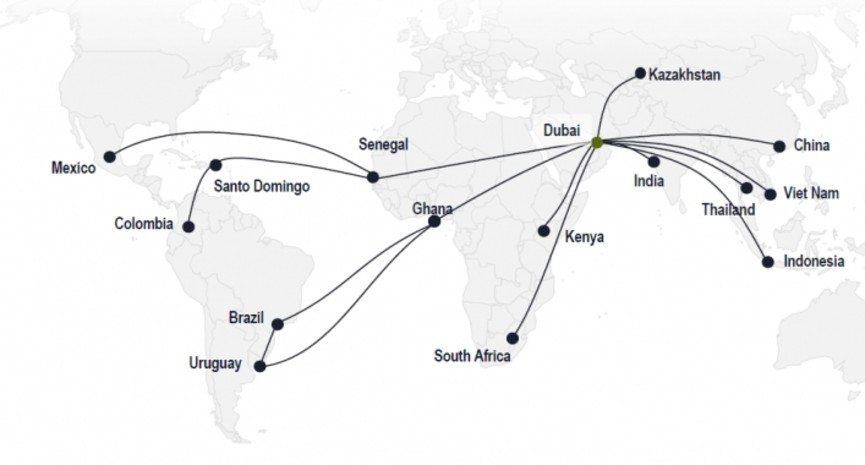
The World Logistics Passport (WLP), a major policy initiative established to increase trading opportunities between emerging markets, announces South Africa, India, and Indonesia as members.
They join Colombia, Senegal, Kazakhstan, Brazil, Uruguay and the UAE in a club of trading nations sharing expertise to smooth trade flows around the world.https://www.logupdateafrica.com/after-senegal-south-africa-joins-world-logistics-passport-