




In-vitro fertilization, or IVF treatment, has become one of the most effective fertility treatments worldwide. Yet, misconceptions often surround this medical marvel, creating unnecessary fear and confusion. Let’s clear the air and talk about what’s real and what’s just a myth when it comes to IVF and fertility treatment.
Myth 1: IVF Treatment Always Works on the First Try
Many believe that once you start IVF, success is guaranteed — and instantly. However, the reality is a bit more nuanced. The success of IVF treatment depends on several factors like age, underlying health conditions, and egg or sperm quality.
While younger women may have higher success rates (up to 50–60% in some cases), older women might need multiple cycles. Patience is key here — think of IVF not as a sprint but a marathon toward your dream of parenthood.
Myth 2: IVF Is Only for the Infertile
Here’s a surprising truth — not everyone opting for IVF faces infertility. Couples may choose IVF treatment for a variety of reasons: genetic concerns, single parenthood, same-sex partnerships, or to preserve fertility through egg freezing.
In short, fertility treatment is not just a solution for infertility — it’s a pathway that supports diverse family-building journeys.
Myth 3: IVF Babies Aren’t “Natural”
This one couldn’t be further from the truth! Many people wrongly assume that IVF babies are somehow “different” or “unnatural.” Scientifically, that’s incorrect. IVF simply helps fertilization happen in a lab under expert supervision. Once the embryo is transferred to the uterus, pregnancy progresses just like any other.
These babies are as healthy, natural, and adorable as any other child conceived naturally.
Myth 4: IVF Treatment Guarantees Multiple Births
Thanks to Hollywood and the early days of IVF, many think IVF always leads to twins or triplets. In reality, modern technology has refined embryo transfer techniques. Fertility specialists today aim to transfer only one healthy embryo at a time, significantly lowering the chances of multiple pregnancies.
So no, IVF doesn’t automatically mean you’ll have a “bundle of bundles.”
Myth 5: IVF Is Painful and Emotionally Draining
It’s true that fertility treatment can be emotionally intense — there’s hope, anxiety, and anticipation in the mix. But the physical aspect of IVF is not as painful as many fear. With advanced techniques, most women describe the procedure as mildly uncomfortable at worst.
Support from loved ones, counseling, and self-care can make the emotional journey much smoother. Remember, you’re not alone in this.
Myth 6: Age Doesn’t Matter in IVF Success
Age plays a big role in the success of IVF treatment. Women in their 20s and early 30s have the best odds because their eggs are typically healthier. As age increases, egg quality and quantity decline — but that doesn’t mean IVF is off the table for older women.
Thanks to egg donation and other fertility options, even women in their 40s can experience successful pregnancies. The key is early consultation and personalized planning with your fertility specialist.
Myth 7: IVF Is Only for the Wealthy
Once upon a time, IVF was indeed a luxury few could afford. But with medical advancements and increasing awareness, costs have become more manageable. Many clinics now offer payment plans or packages that make fertility treatment accessible to a wider population.
Think of IVF as an investment — not just in treatment, but in your dream of parenthood.
What You Should Know Before Starting IVF
Before diving into IVF, understanding the process helps you prepare mentally, physically, and emotionally. Here are some quick tips:
Do your research – Know the clinic’s success rates and reputation.
Stay healthy – A balanced diet, regular exercise, and stress management go a long way.
Ask questions – The more you know, the more confident you’ll feel.
Stay positive – IVF can test your patience, but optimism makes the journey lighter.
FAQs About IVF Treatment
1. How long does one IVF cycle take?
A complete IVF cycle usually takes about four to six weeks, depending on your body’s response to medication and the clinic’s protocol.
2. Is IVF safe for women over 40?
Yes, but success rates may be lower. Your fertility specialist might recommend donor eggs or tailored treatments to improve the chances of pregnancy.
3. Does IVF increase the risk of birth defects?
No, studies show that IVF babies are just as healthy as those conceived naturally.
4. Can stress affect IVF success?
Excessive stress can affect hormonal balance. While it doesn’t directly cause IVF failure, relaxation and mental wellness can improve overall outcomes.
5. How many IVF cycles does it usually take to get pregnant?
It varies by individual, but most couples succeed within three cycles. Persistence often pays off!
Wrapping It Up
At the end of the day, IVF treatment isn’t about myths — it’s about miracles backed by science. Understanding what’s true and what’s not can make your fertility journey more empowering and less intimidating. Don’t let misinformation cloud your hope. With the right support, knowledge, and medical guidance, the dream of becoming a parent is absolutely within reach.
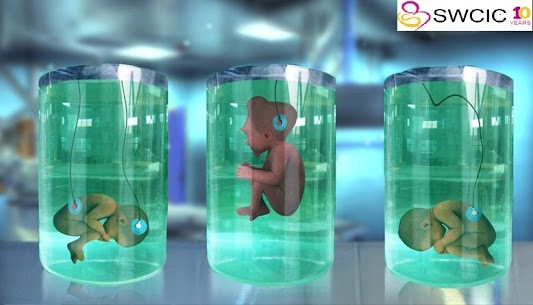
If you are looking for fertility treatments then SWCIC is the best fertility hospital in India.
We offer advanced medical technologies and treatment styles for fertility.
The main aim is to increase the sperm that reaches the fallopian tube to increase the chances of getting pregnant.
To know the IVF treatment procedure, visit our website.

http://infertilityandivfindore.com/your-top-ivf-specialist-questions-answered/We selected top IVF Specialist questions answers regarding general awareness about IVF treatment for those who are looking for the best IVF services for parenthood