




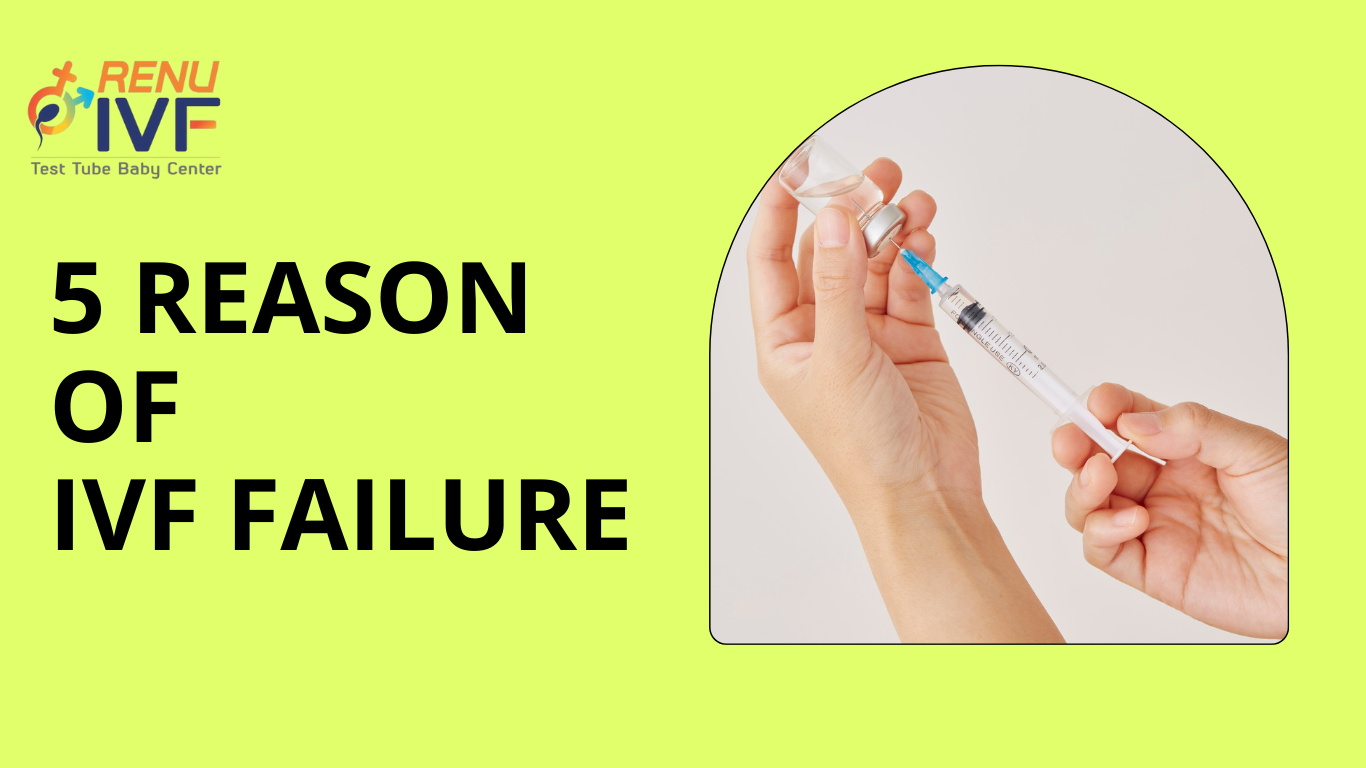
In vitro fertilization (IVF) is one of the most advanced fertility treatments available today. While IVF has helped millions of couples conceive, it is not always successful on the first attempt. Experiencing a failed IVF cycle can be emotionally and financially exhausting, especially when you’re unsure what went wrong.
Understanding the common reasons behind IVF failure can help you prepare better for your next cycle and improve your chances of a healthy pregnancy. Here are the five most common causes of IVF failure and what you can do about them.
1. Poor Egg Quality
Egg quality declines naturally with age, especially after 35. Poor-quality eggs may have:
- Chromosomal abnormalities
- Poor fertilization potential
- Weak embryo development
- Higher risk of early miscarriage
Women with reduced ovarian reserve (low AMH, high FSH), premature ovarian aging, or other ovarian disorders may also produce eggs that do not mature properly during IVF.
What you can do:
- Start treatment early if you’re over 35
- Consider supplements like CoQ10 or DHEA (after medical advice)
- Improve lifestyle (sleep, nutrition, stress reduction)
- Consider donor eggs if medically advised
2. Sperm Quality Issues
Male fertility plays a major role in IVF outcomes. Poor sperm health may lead to:
- Low fertilization rates
- Poor embryo quality
- Failed implantation
Common sperm issues include low sperm count, poor motility, abnormal morphology, DNA fragmentation, and oxidative stress.
What you can do:
- Semen analysis and advanced sperm testing
- Antioxidant therapy (zinc, vitamin C, CoQ10—only with medical advice)
- Lifestyle changes (no smoking, limit alcohol, reduce heat exposure)
- ICSI (Intracytoplasmic Sperm Injection) to help fertilization
3. Embryo Quality and Implantation Failure
Not every embryo develops normally, even when eggs and sperm appear healthy. Embryos may fail due to:
- Chromosomal abnormalities
- Slow or abnormal cell division
- Issues detected during embryo grading
- Poor endometrial receptivity
A healthy embryo must implant into the uterine lining and continue growing. If implantation fails, pregnancy does not occur.
What you can do:
- Opt for blastocyst transfer (Day 5) for better selection
- Consider PGT-A (genetic testing) if recurrent failure
- Check for uterine problems (polyps, adhesions, fibroids)
- Prepare the endometrium with proper hormonal support
4. Uterine or Endometrial Issues
Even a healthy embryo cannot implant if the uterus is not ready. Problems include:
- Thin endometrium
- Endometrial polyps
- Fibroids
- Adenomyosis
- Scar tissue (Asherman’s syndrome)
- Undiagnosed infections
- Endometriosis-related inflammation
Sometimes, the uterus looks normal on ultrasound but is not “receptive” during the implantation window.
What you can do:
- Have a hysteroscopy before repeating IVF
- Treat infections or inflammation
- Remove fibroids or polyps if needed
- Improve uterine blood flow (diet, light exercise, supplements)
- Discuss ERA (Endometrial Receptivity Analysis) if recurrent failures
5. Hormonal Imbalances and Immune Factors
IVF success relies heavily on a well-regulated hormonal environment. Problems with hormones can interfere with ovulation, embryo development, and implantation.
Common issues include:
- Thyroid disorders (hypothyroidism, hyperthyroidism)
- High prolactin
- PCOS-related imbalance
- Low progesterone
- Poor ovarian response to stimulation
Immune factors, such as chronic endometritis or abnormal immune activation, may also play a role in some cases.
What you can do:
- Regular hormone testing
- Treat thyroid or prolactin abnormalities
- Customize IVF stimulation protocols
- Ensure proper luteal-phase support
- Treat chronic endometritis if detected
What Should You Do After an IVF Failure?
IVF failure does not mean you cannot conceive. Most couples succeed after 1–3 cycles, especially when underlying problems are addressed. Talk with your fertility specialist about what went wrong, what can be improved, and how to personalize your next cycle.
FAQs About IVF Failure
1. How to deal with IVF failure?
Dealing with IVF failure can be emotionally difficult. Here are ways to cope:
- Allow yourself to grieve your disappointment
- Talk to your partner openly
- Seek emotional support or counseling
- Take a short break if needed
- Meet with your fertility specialist to review the cycle
- Make a plan for your next steps
Many couples ultimately succeed after adjusting their treatment protocol, addressing health issues, or trying a different IVF approach.
2. What is the success rate of IVF under stress?
Stress does not directly prevent pregnancy, but high stress levels may:
- Disrupt hormone balance
- Affect egg and sperm quality
- Increase inflammation
- Reduce endometrial receptivity
Studies show that individuals who manage stress (through mindfulness, counseling, yoga, or support groups) often report better IVF experiences and sometimes improved outcomes. While stress alone won’t cause IVF failure, reducing it can support your overall reproductive health.
3. Can I conceive naturally after a failed IVF?
Yes. Many couples do conceive naturally after a failed IVF cycle. This may happen because:
- Hormonal medications temporarily improve ovarian function
- Tubes may function better after certain fertility treatments
- Underlying issues may improve over time
If natural conception is possible, your doctor may advise trying on your own for a few months before another IVF cycle.
4. Can IVF be successful on the first attempt?
Yes, IVF can be successful on the first attempt, especially in women under 35 with good ovarian reserve. However, IVF success depends on:
- Age
- Egg and sperm quality
- Embryo health
- Uterine condition
- Cause of infertility
On average, many couples require 2–3 cycles to achieve pregnancy, but first-cycle success does happen frequently.
Final Thoughts
IVF failure can be heartbreaking, but it does not define your fertility journey. Many couples achieve pregnancy after adjusting their treatment approach or addressing hidden factors. The key is to understand why the cycle failed, make targeted improvements, and work closely with your fertility team.



Best IVF Centres in Jaipur along with IVF success rates.
We provide the Best IVF Center in Jaipur, IVF clinics in Jaipur, IVF specialists in Jaipur, IVF doctors in Jaipur, the best infertility treatment center in Jaipur, IVF costs in Jaipur.