Major Depressive Disorder (MDD) affects millions of individuals in New York and is recognized as a leading cause of disability. Understanding Major Depressive Disorder Treatment in NY is crucial for patients and families seeking effective care. This educational overview highlights treatment options, what to expect during depression treatment, and ways to access professional support, including modern online psychiatric services.
Understanding Major Depressive Disorder
MDD is characterized by persistent sadness, loss of interest, fatigue, and changes in sleep or appetite. Its impact can affect work, relationships, and daily life. While depression is serious, it is highly treatable when individuals receive timely and evidence-based interventions. Recognizing symptoms early and connecting with qualified mental health professionals can improve outcomes and reduce the risk of relapse.
Initial Assessment and Diagnosis
Treatment typically begins with a comprehensive assessment conducted by a licensed therapist, psychologist, or psychiatrist. Clinicians evaluate symptom severity, medical and mental health history, lifestyle, and social support networks. This evaluation informs a personalized treatment plan, which may include therapy, medication, lifestyle adjustments, or a combination of these strategies.
Early assessment ensures that the selected treatment aligns with the patient’s unique needs, optimizing recovery and reducing trial-and-error in therapy and medication choices.
Types of Major Depressive Disorder Treatments
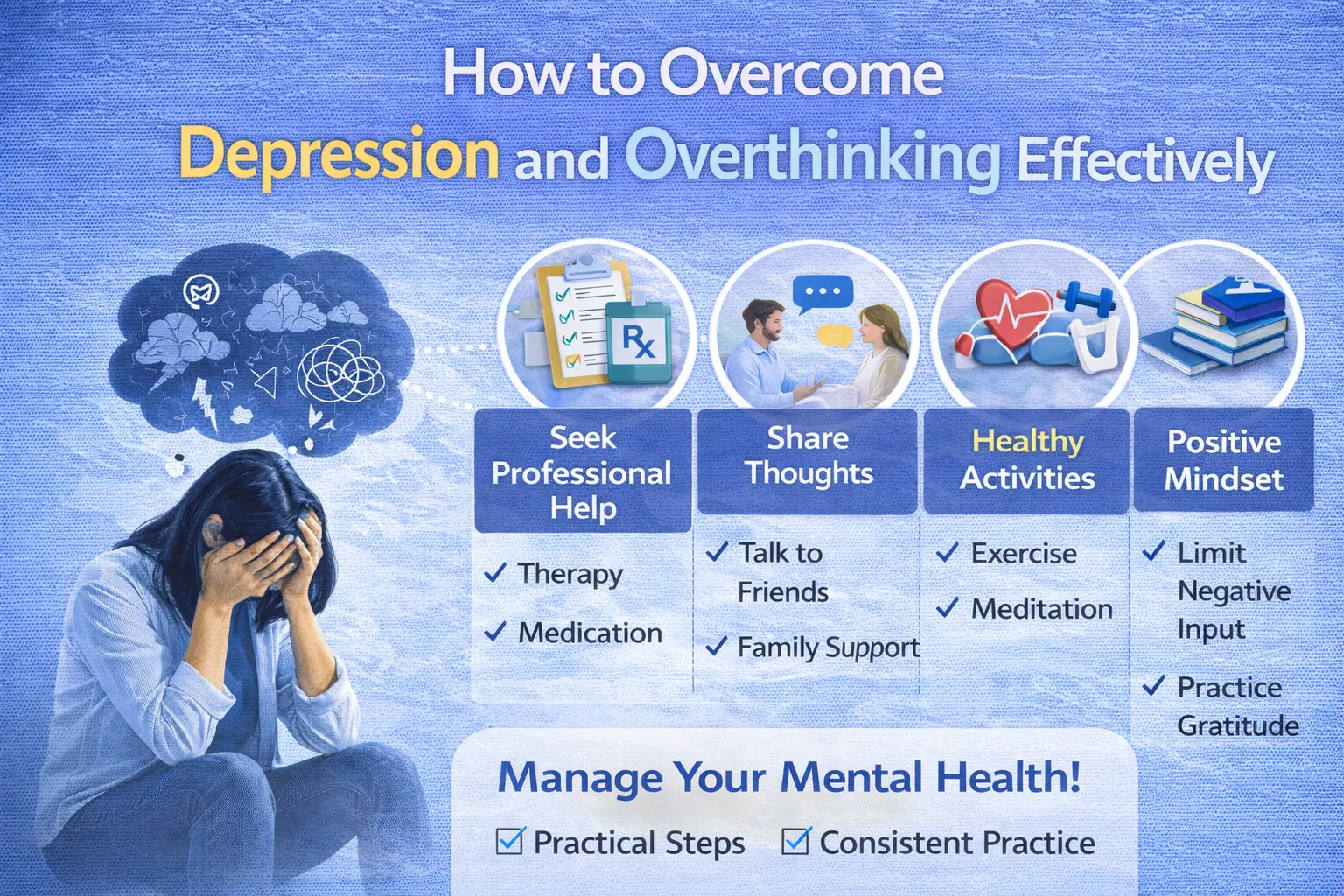
Treatment approaches are often multi-faceted to address both psychological and biological factors of depression.
1. Psychotherapy
Psychotherapy helps patients identify negative thought patterns, regulate emotions, and develop coping skills. Common evidence-based therapies include Cognitive Behavioural Therapy (CBT), Interpersonal Therapy (IPT), and Mindfulness-Based Cognitive Therapy (MBCT). These therapies provide structured tools to manage symptoms, prevent relapse, and improve long-term resilience.
2. Medication
Psychiatrists may prescribe antidepressants, such as SSRIs, SNRIs, or atypical antidepressants, to regulate brain chemistry. Medication is particularly useful for moderate to severe depression and is often combined with therapy for enhanced effectiveness. Regular follow-ups are necessary to monitor response, adjust dosages, and minimize side effects
3. Lifestyle and Supportive Interventions
Lifestyle modifications complement clinical care. Regular exercise, healthy nutrition, consistent sleep, and social engagement support mental well-being. Patients are encouraged to participate in community support groups or educational workshops to strengthen coping skills.
During Depression Treatment
During Depression Treatment, patients learn to track symptoms, set recovery goals, and apply coping strategies outside therapy sessions. Providers monitor progress using structured assessments, ensuring that care remains responsive to evolving needs. Open communication with the treatment team is critical, allowing adjustments to therapy techniques or medication regimens as necessary.
Patients may also engage in adjunctive interventions such as guided mindfulness, journaling, and stress reduction exercises. These practices support emotional regulation and reinforce the benefits of therapy and medication.
The Role of Integrated Care
Integrated care combines mental health professionals, primary-care physicians, and psychiatrists to coordinate treatment. This approach ensures comprehensive attention to both physical and mental health. Organizations like Serenity Telehealth facilitate provider collaboration by streamlining administrative processes, allowing clinicians to focus on patient-cantered care. Integrated care promotes consistent monitoring and better outcomes for patients.
Accessing Treatment in New York
New York offers diverse mental health resources ranging from urban hospital programs to community clinics and telehealth platforms. Urban centres provide specialized treatments such as Transcranial Magnetic Stimulation (TMS) and intensive outpatient programs. Rural areas increasingly rely on telehealth and virtual counselling to expand access.
State directories and online platforms help patients locate licensed therapists and psychiatrists. Insurance coverage, including Medicaid and Medicare, often includes outpatient therapy, psychiatric consultations, and medication management. Sliding-scale programs and non-profit initiatives provide additional financial support.
The Importance of Patient Education
Education empowers patients to actively participate in their treatment. Understanding how therapy works, how medications function, and what to expect during sessions improves engagement and adherence. Patients who are informed about their condition can recognize early warning signs of relapse and seek timely interventions. Resources like workshops, webinars, and credible online information enhance patient knowledge and confidence.
Community and Peer Support
Community involvement strengthens recovery. Peer-led support groups, mental health coalitions, and non-profit programs provide encouragement and practical strategies for managing depression. Support networks help reduce isolation and promote accountability, which is vital for long-term wellness. Both urban and rural patients benefit from these resources, often complementing professional care.
Telehealth and Online Treatment
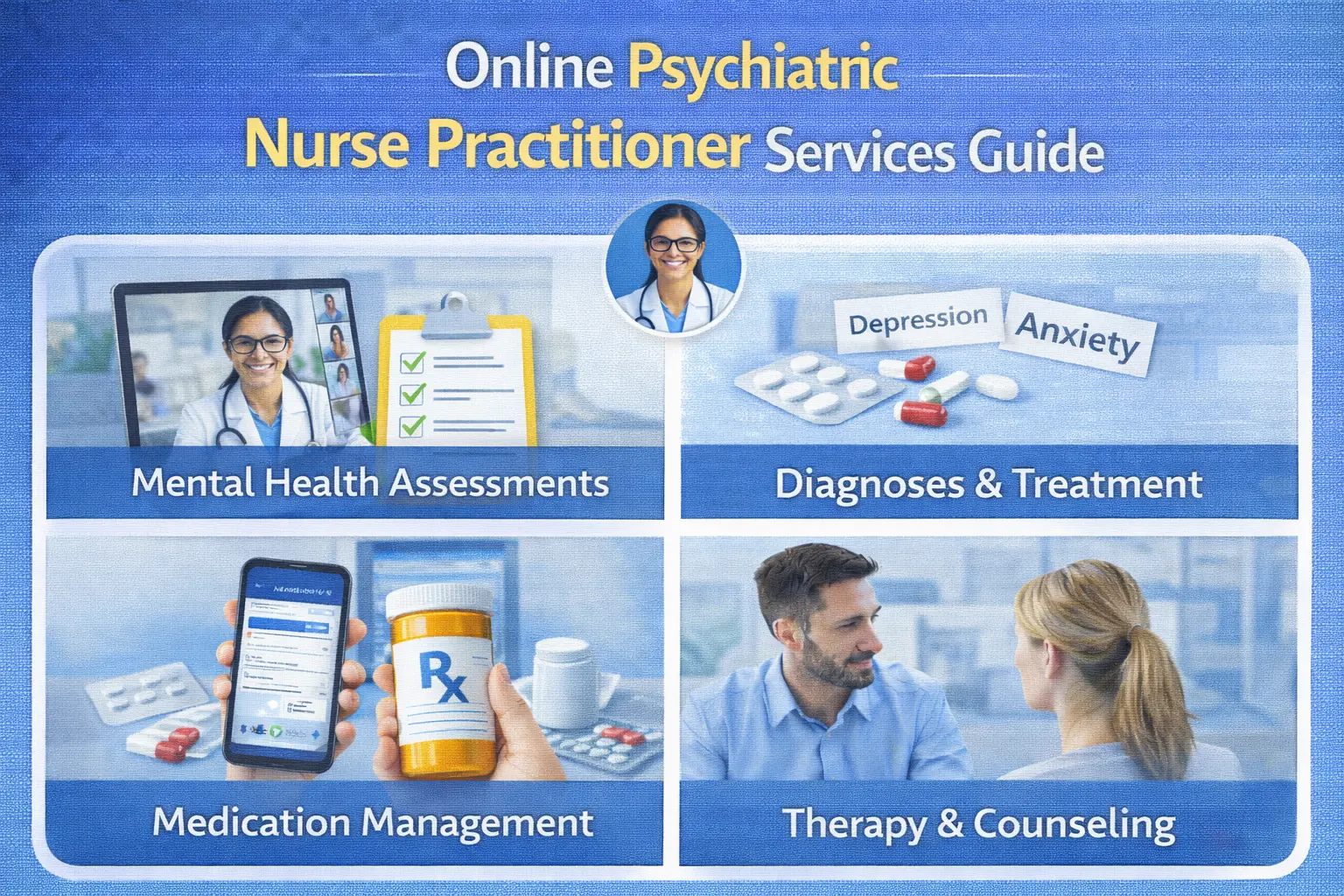
Telehealth has revolutionized access to depression treatment in New York. Online therapy sessions and telepsychiatry allow patients to consult licensed professionals without commuting, making care more flexible and convenient. Mobile applications, symptom trackers, and virtual check-ins provide additional support between sessions. Telehealth is particularly beneficial for rural residents or those balancing work and family responsibilities.
Maintaining Long-Term Recovery
Sustaining progress requires ongoing care, lifestyle adjustments, and the use of coping strategies learned during treatment. Consistent therapy, medication adherence, mindfulness practices, and social engagement reduce the risk of relapse. Developing a personal relapse prevention plan with input from providers ensures patients remain proactive in managing their mental health.
Conclusion
Understanding Major Depressive Disorder Treatment in NY equips patients with the knowledge to navigate therapy, medication, and supportive resources effectively. With access to licensed clinicians, community support, and telehealth platforms, recovery is achievable regardless of geographic location.
For individuals seeking convenient and comprehensive care, an Online Psychiatric in New York such as Serenity Telehealth offers professional therapy, medication management, and ongoing support. Combined with patient education and community engagement, these resources provide a strong foundation for lasting mental health and well-being.