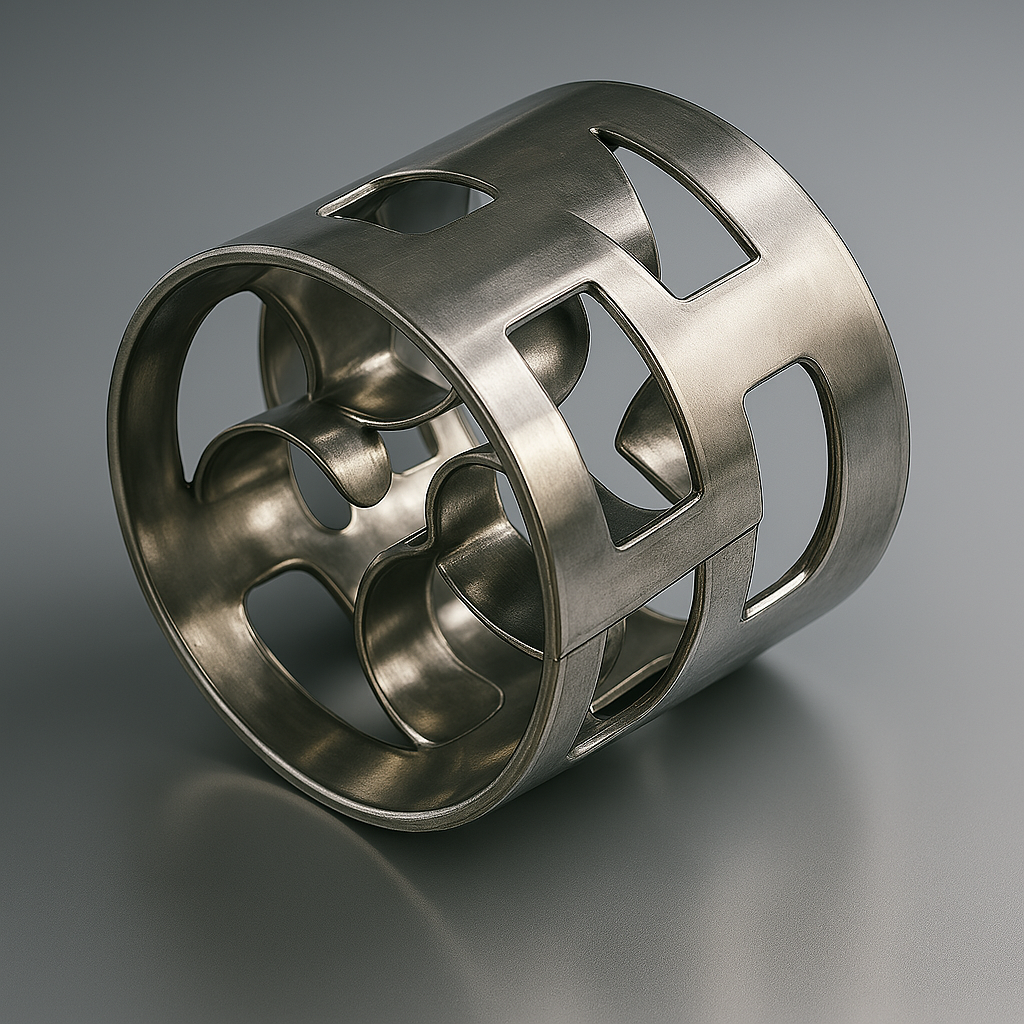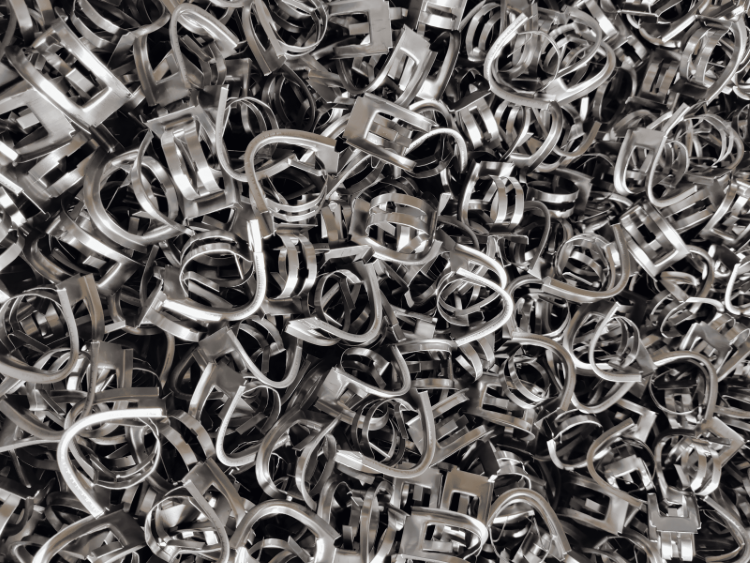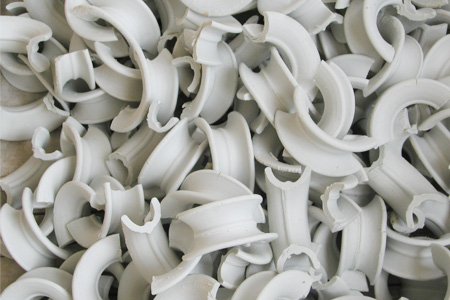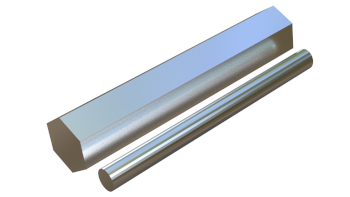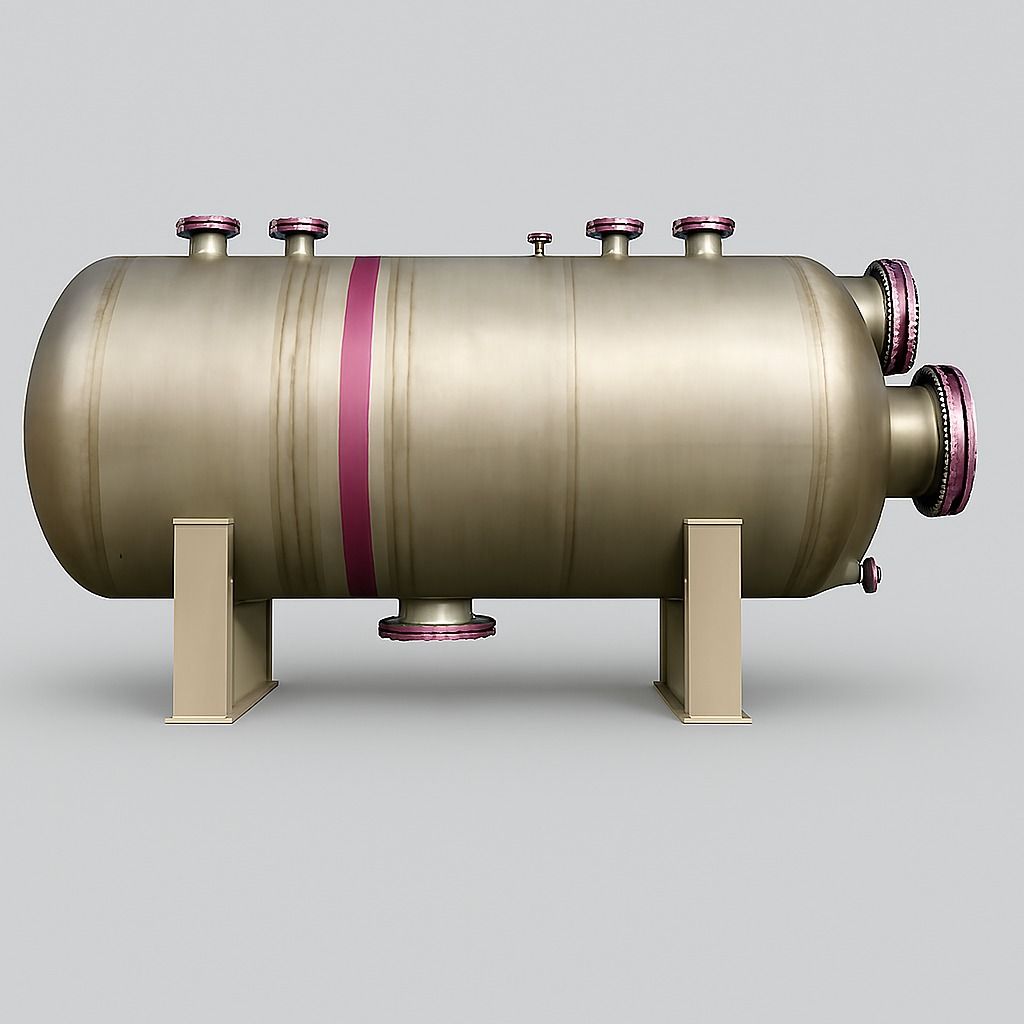
Titanium has earned a strong reputation in industrial manufacturing for its exceptional resistance to aggressive chemicals, elevated temperatures, and corrosive environments. For businesses that operate under demanding conditions, equipment crafted from titanium offers reliability, durability, and lower lifetime operating costs. As industries push for higher efficiency and longer-lasting components, titanium-fabricated systems are becoming a preferred choice.
Below are the major sectors that see the greatest gains from incorporating titanium-based process equipment.
Chemical Processing & Fertilizer Manufacturing
The chemical and fertilizer sectors often deal with highly corrosive fluids—chlorides, strong acids, and oxidizing compounds. Traditional metals degrade rapidly in these environments, causing contamination, leaks, and frequent replacements.
Why titanium excels:
- Exceptional corrosion resistance in chloride-rich media
- Stability at high temperatures
- Proven longevity even under continuous operation
Applications commonly include reactors, heat-exchange units, scrubbers, mist-removal systems, and fluid-handling equipment.
Petrochemical & Refining
Refineries operate under extreme heat and pressure, with fluids that can damage weaker metals. Reliability is critical since downtime directly affects production capacity.
Titanium benefits in this sector:
- Strong resistance to sulfides and hydrocarbons
- Excellent mechanical strength at elevated temperatures
- Reduced risk of premature equipment failure
Common uses include separation systems, condensers, and corrosion-prone processing lines.
Power Generation & Environmental Systems
Power plants—especially those using steam-driven cycles—routinely expose equipment to hot water, salts, and aggressive gases. Environmental treatment systems also involve corrosive particulates and fluids.
Advantages of titanium here:
- High resistance to erosion and scale buildup
- Reliable performance in flue gas and cooling-water systems
- Minimal maintenance requirements
Titanium equipment plays a major role in emission control units, cooling tower structures, and condensate recovery setups.
Marine, Offshore & Desalination Industries
Seawater exposure is one of the toughest challenges for metals. Salt accelerates corrosion and significantly shortens the life of standard alloys.
Why titanium is ideal for marine settings:
- Exceptional seawater corrosion resistance
- Resistance to marine biofouling
- Lightweight yet extremely strong
Desalination plants rely heavily on titanium for evaporators, brine heaters, mist-elimination units, and ocean-water heat exchangers.
Metal Finishing, Electroplating & Surface Treatment
Facilities handling electrolytes and chemical baths require materials that can withstand corrosive environments without degrading.
Titanium offers:
- Strong resistance to acids and plating chemicals
- Stability under high electrical and thermal loads
- Long service life without contamination risk
Typical applications include racks, tanks, heaters, and recovery equipment in plating operations.
Conclusion
Across multiple sectors—from chemical manufacturing to marine operations—titanium-fabricated equipment consistently delivers superior performance in environments where corrosion, heat, and chemical attack are constant challenges. Its durability, low maintenance needs, and long service life make titanium a smart long-term investment rather than a simple material choice. As industries move toward higher efficiency and reduced downtime, titanium stands out as the reliable backbone for modern process equipment, helping businesses achieve safer, cleaner, and more sustainable operations.