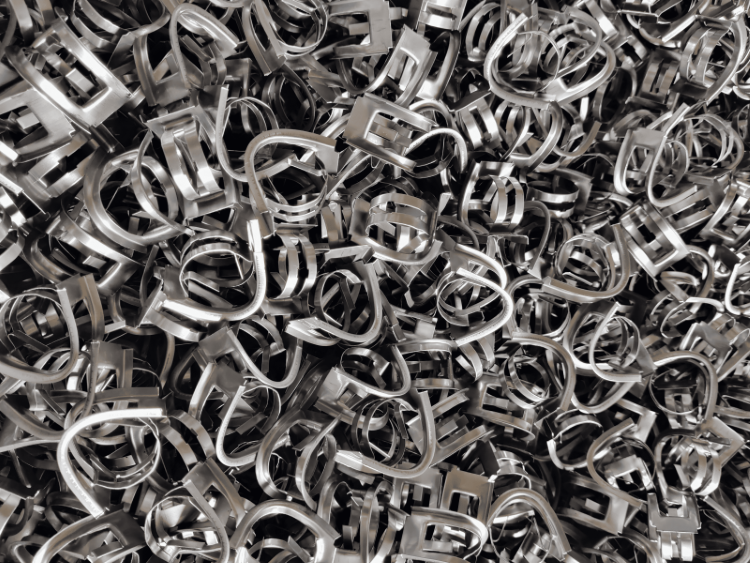
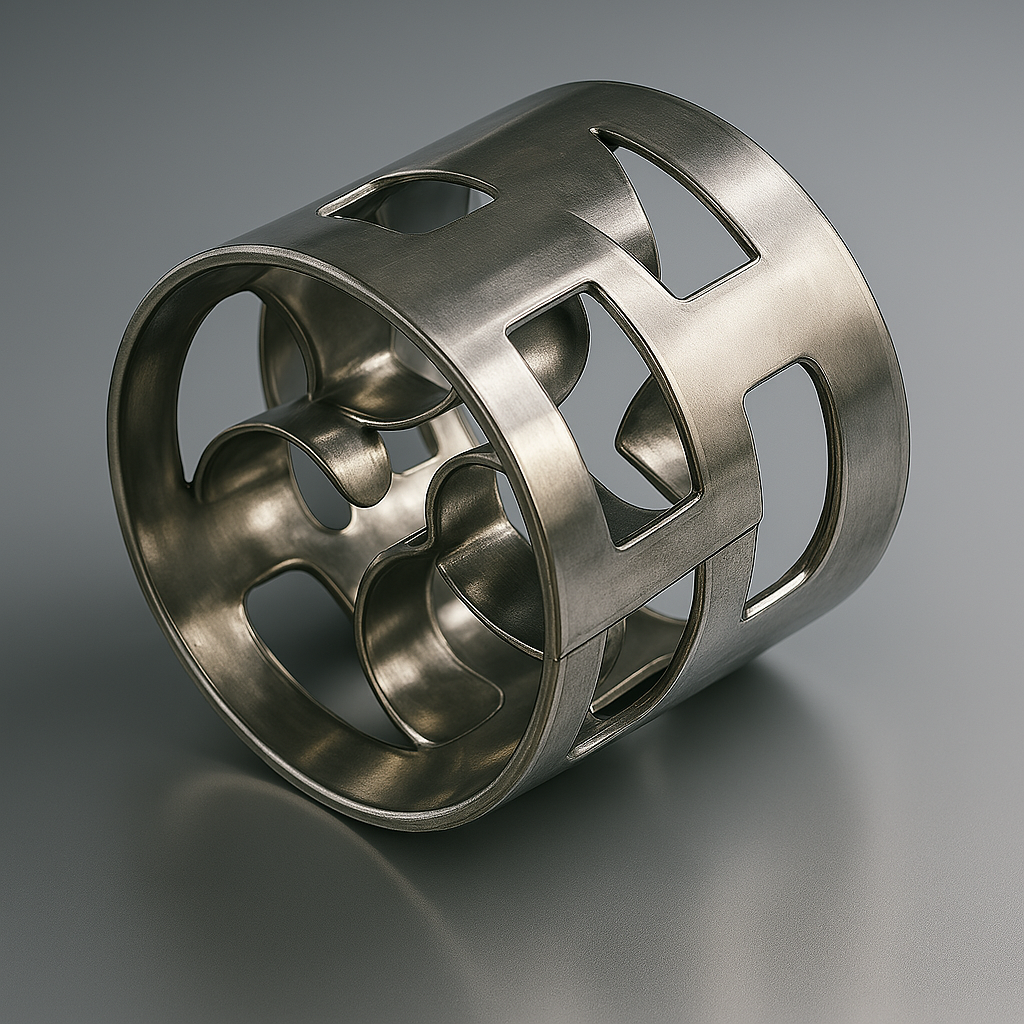
IMTP Saddles are widely used as random tower packing in distillation, absorption, and stripping columns due to their high mass transfer efficiency, low pressure drop, and excellent mechanical strength. However, like any critical process component, their performance depends heavily on proper maintenance and optimization.
Whether used in chemical plants, refineries, or wastewater treatment facilities, following best practices can significantly extend the service life of IMTP Saddles and improve overall column efficiency. Below are five practical tips to help you maintain and optimize IMTP Saddles in industrial columns.
1. Conduct Regular Inspections for Fouling and Damage
Over time, IMTP Saddles can be affected by fouling, corrosion, or mechanical damage, especially in harsh operating environments.
Best practices:
- Schedule periodic inspections during planned shutdowns
- Check for fouling caused by scale, polymers, or suspended solids
- Look for deformation, cracking, or metal thinning
Early detection helps prevent reduced mass transfer efficiency and unexpected pressure drop increases.
2. Ensure Proper Cleaning and Fouling Control
Fouling is one of the most common reasons for reduced packing performance. Deposits on saddles reduce effective surface area and disrupt vapor–liquid contact.
Optimization tips:
- Use appropriate chemical cleaning methods based on the fouling type
- Implement upstream filtration to reduce solids entering the column
- Avoid aggressive cleaning agents that may damage the packing material
Clean packings ensure consistent performance and help maintain design efficiency.
3. Optimize Liquid Distribution for Uniform Wetting
Even high-performance saddles cannot operate efficiently without proper liquid distribution. Poor wetting can lead to channeling, dry zones, and reduced separation efficiency.
Key considerations:
- Inspect liquid distributors and redistributors regularly
- Ensure even liquid flow across the entire column cross-section
- Repair or replace damaged distribution equipment promptly
Uniform wetting maximizes surface utilization and improves overall mass transfer.
4. Select the Correct Material Based on Process Conditions
Material selection plays a critical role in the long-term performance of IMTP Saddles. Depending on operating conditions, materials such as carbon steel, SS304, SS316, or specialty alloys may be required.
When using IMTP metal saddles, it is important to consider corrosion resistance, operating temperature, pressure limits, and chemical compatibility with process fluids. Choosing the right material helps prevent premature failure and reduces maintenance costs.
5. Monitor Pressure Drop and Column Performance
Monitoring pressure drop across the column provides valuable insight into packing condition and operational efficiency.
Performance monitoring tips:
- Track pressure drop trends during normal operation
- Compare operating data against design values
- Investigate sudden increases immediately to avoid flooding or fouling issues
Consistent monitoring allows operators to maintain optimal performance and avoid unplanned shutdowns.
Conclusion
Proper maintenance and optimization of IMTP Saddles are essential for achieving reliable, long-term performance in industrial columns. By conducting regular inspections, preventing fouling, ensuring uniform liquid distribution, selecting appropriate materials, and monitoring pressure drop, industries can significantly improve efficiency and reduce operating costs.


5 Points to Consider For Optimizing Your Visual Content