


Over the past few years, weight-loss treatments have evolved far beyond traditional dieting and gym workouts. A new class of medications that target specific hormones in the body has reshaped how doctors approach obesity. These medicines don’t simply suppress hunger; they change how the body processes food, regulates blood sugar, and signals fullness.
For many individuals, this new science has been life-changing, helping them achieve weight reduction that was previously difficult through lifestyle changes alone. But like every effective treatment, these medications also come with certain side effects that users must understand before beginning therapy.
Understanding How GLP-1 Medicines Work
GLP-1 stands for glucagon-like peptide-1, a hormone released naturally by the intestine after meals. It performs several important functions, stimulating insulin release, slowing down stomach emptying, and sending fullness signals to the brain.
When the body resists these hormonal cues, individuals may consume more, store more fat, and experience elevated blood sugar levels. GLP-1 receptor agonists mimic this natural hormone, helping restore balance. They lower appetite, slow digestion, and reduce calorie intake, which together lead to gradual and steady weight loss.
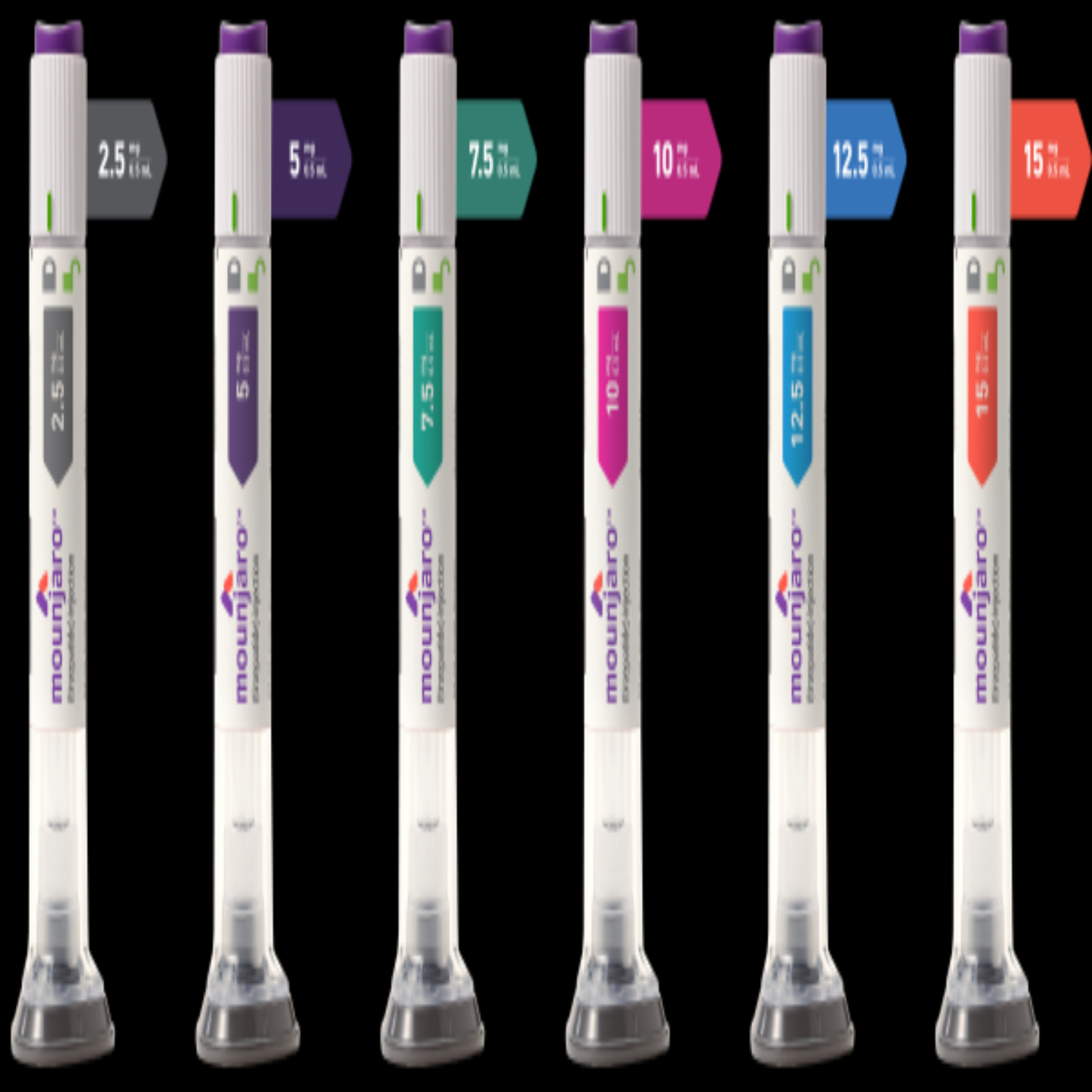
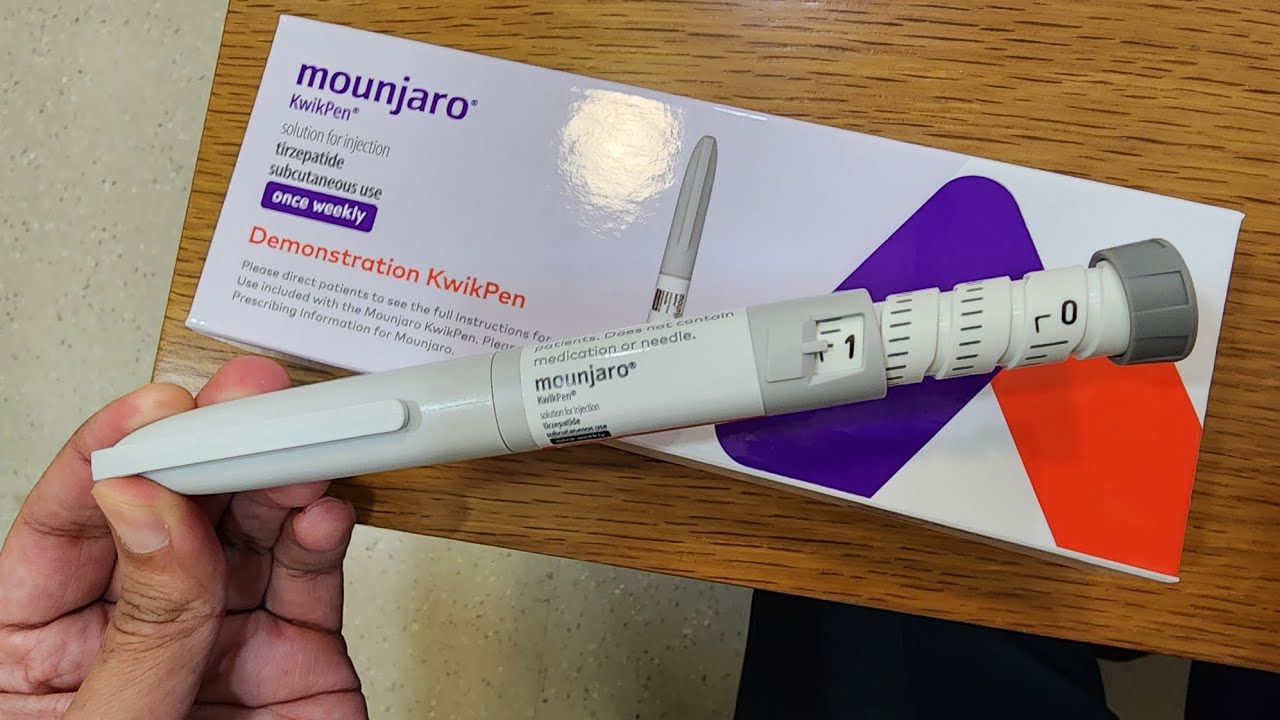
One such medication, available as an injectable pen device, contains Tirzepatide, the active component in Mounjaro KwikPen. It works on both GLP-1 and GIP (glucose-dependent insulinotropic polypeptide) receptors, amplifying the body’s ability to regulate glucose and appetite.
Most Common Side Effects
Because these medicines act mainly on the digestive system, the most common side effects are gastrointestinal. They are usually mild to moderate and improve as the body adjusts to treatment.
- Nausea: Many patients experience mild nausea when starting treatment or increasing the dose. Eating smaller, lighter meals helps reduce this feeling.
- Vomiting: Occasional vomiting can occur in the first few weeks, especially if the dose is increased too quickly.
- Constipation: Slower digestion may lead to fewer bowel movements. Increasing fibre and fluid intake can help.
- Diarrhoea: Some individuals experience loose stools as their digestive system adapts to slower food movement.
- Loss of appetite: While this is part of how to lose weight naturally occurs, it can lead to lower calorie intake than intended if not monitored.
- Stomach discomfort or bloating: These effects are temporary and can be managed by avoiding greasy or heavy meals.
Doctors typically start treatment at a low dose and gradually increase it, allowing the body to adapt and minimising these side effects.
Less Common But Notable Effects
Some users may experience less frequent but more significant side effects. While rare, they should not be ignored:
- Fatigue or dizziness: Sometimes due to reduced calorie intake or mild dehydration.
- Heartburn or indigestion: The slowed emptying of the stomach can occasionally cause discomfort.
- Headaches: Usually mild and temporary, often linked to lower sugar intake.
- Gallbladder issues: A small number of patients may develop gallstones or inflammation of the gallbladder.
- Pancreatitis: Severe abdominal pain, nausea, and vomiting could signal inflammation of the pancreas. Immediate medical care is required.
- Kidney strain: Dehydration from vomiting or diarrhoea can affect kidney function in rare cases.
Healthcare professionals closely monitor these potential complications, especially in individuals with pre-existing metabolic or organ conditions.
Why These Side Effects Occur
The very mechanism that makes these medicines effective, slowing digestion and altering hunger hormones, also explains their side effects. When food stays in the stomach for a longer period, digestion slows and fullness increases, but this can also cause temporary discomfort. The body needs time to adjust to a new rhythm of eating and metabolism.
Additionally, a sudden drop in appetite may lead to reduced nutrient intake or mild fatigue in the initial phase. Proper hydration, balanced meals, and gradual dose adjustments play an important role in helping the body adapt smoothly.
Managing Side Effects Safely
Simple daily habits can make a big difference in reducing unwanted reactions:
- Eat slowly and stop when full. Overeating or eating quickly can worsen nausea.
- Choose small, balanced meals. Focus on protein, vegetables, and complex carbohydrates rather than fatty or fried foods.
- Stay hydrated. Sip water throughout the day, especially if you experience nausea or vomiting.
- Avoid alcohol and carbonated beverages. They may irritate the stomach.
- Take note of new symptoms. Report persistent vomiting, severe pain, or unusual fatigue to your doctor immediately.
- Stick to your doctor’s dosage plan. Never increase or skip doses on your own.
In most cases, side effects fade as your system adjusts. Consistency and patience are key.
Lifestyle Still Matters
- Combining medication with a balanced diet and regular physical activity ensures stronger, more sustainable results.
- Individuals who prioritise better nutrition, consistent exercise, and mindful eating tend to experience fewer digestive side effects and achieve longer-term success.
- Build your meals around whole foods, lean proteins, fresh fruits, and vegetables, and ensure you get enough rest to support your metabolism.
- It’s also essential to recognise your body’s natural hunger cues and implement gradual lifestyle improvements over time.
- Medication can enhance your progress, but it should complement, not replace, your ongoing commitment to healthy living and balanced choices.
Who Should Be Cautious
Certain individuals should consult their doctor before starting treatment:
- Those with a history of pancreatitis or gallbladder disease.
- People with kidney impairment or dehydration issues.
- Pregnant or breastfeeding women, since safety data are limited.
- Individuals taking insulin or oral diabetes medications should adjust their dosage accordingly.
Your doctor will assess whether this treatment is suitable for you based on your overall health, current medications, and medical history.
Long-Term Outlook
Clinical research and real-world results show that people using GLP-1–based medicines experience significant improvements in both weight and metabolic health. They report better blood sugar control, reduced cholesterol, and improved heart health markers. However, continued medical monitoring is crucial.
If the medicines are discontinued suddenly, appetite may return, and some of the weight lost can come back. A gradual, physician-guided plan is necessary when stopping treatment. Building consistent eating patterns and engaging in regular physical activity will help maintain results even after therapy ends.
Final Thoughts
GLP-1 weight-loss medicines are transforming the approach to obesity and metabolic disorders by addressing hormonal and digestive causes rather than relying solely on willpower. They are effective, but like all therapies, they can cause side effects mostly related to the digestive system, and generally manageable with lifestyle adjustments and medical guidance.
When used responsibly under a healthcare provider’s supervision, these medicines can be powerful tools for achieving steady, lasting health improvements. The best results come from combining them with balanced nutrition, movement, and mindful self-care, the foundations of lifelong wellness.