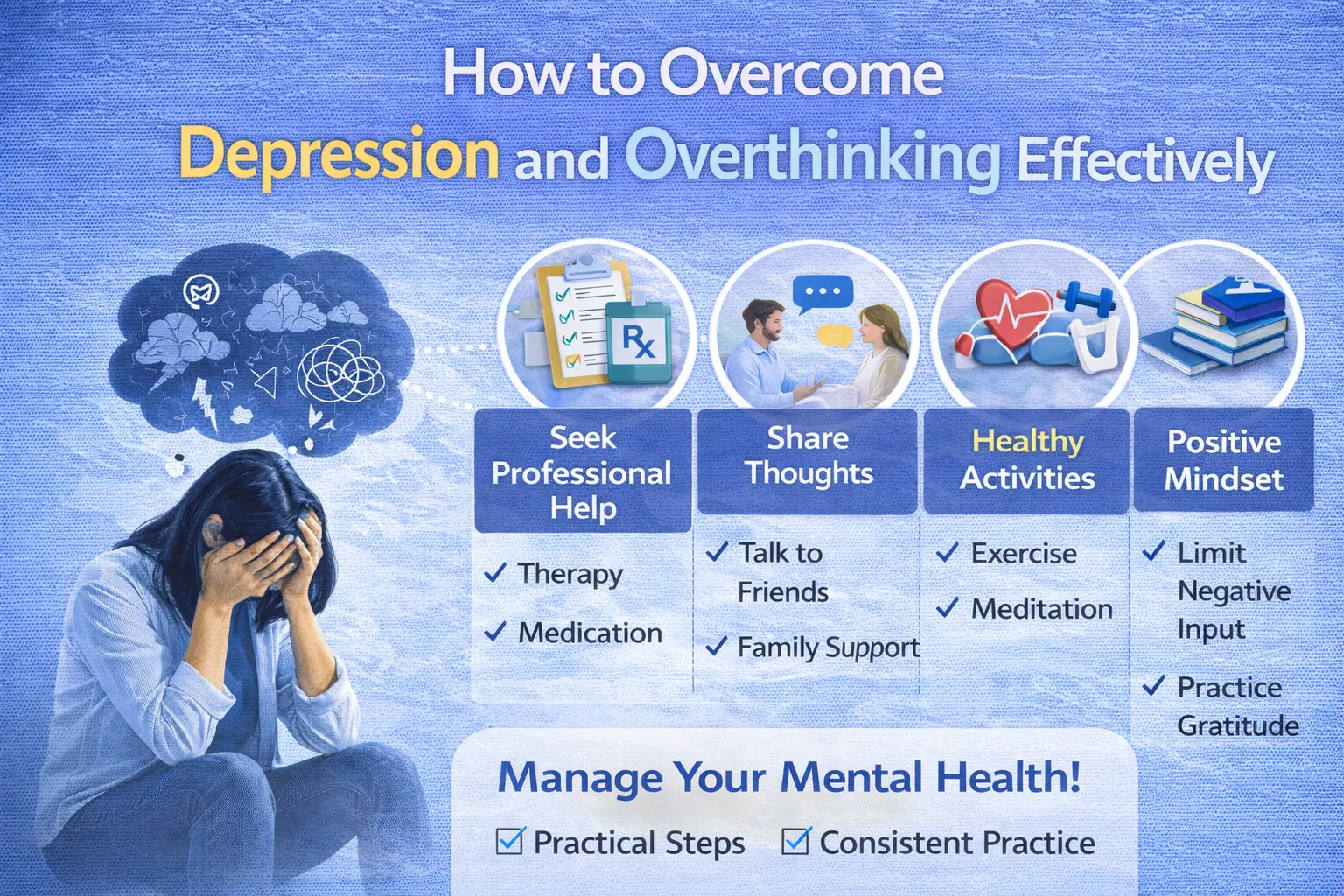
Serenity TelehealthMajor depressive disorder is a complex condition that affects mood, energy, sleep, and daily functioning. While medication is often part of treatment, Major Depressive Disorder Treatment also relies heavily on psychotherapy to address emotional, behavioral, and cognitive aspects of depression. Psychotherapy equips individuals with tools to manage symptoms, develop coping strategies, and understand the underlying triggers that contribute to their condition. By combining professional guidance with personal insight, psychotherapy offers a structured, evidence-based path to recovery.
The Role of Psychotherapy in Treating Depression
Psychotherapy is not a one-size-fits-all approach. It encompasses several techniques designed to help individuals cope with depression. Common forms include:
Cognitive Behavioural Therapy (CBT)
CBT helps patients identify negative thought patterns and replace them with healthier, more constructive ways of thinking. It is particularly effective in reducing feelings of hopelessness and improving day-to-day functioning.
Interpersonal Therapy (IPT)
IPT focuses on the role relationships play in mental health. It helps patients navigate interpersonal conflicts, improve communication, and address life transitions that may trigger depressive episodes.
Dialectical Behaviour Therapy (DBT)
DBT incorporates mindfulness, emotional regulation, and distress tolerance skills. It is often used for individuals experiencing intense emotions or recurring depressive episodes.
Psychodynamic Therapy
Psychodynamic therapy explores past experiences and unconscious processes that influence present-day emotions and behaviours. This approach fosters deeper self-awareness and long-term personal growth.
Group and Family Therapy
Group therapy provides peer support and shared coping strategies, while family therapy educates loved ones on how to best support a patient’s recovery.
How Psychotherapy Complements Medication
For many patients, psychotherapy is most effective when combined with medication. Antidepressants can stabilize mood and improve brain chemistry, making it easier for patients to engage in therapeutic work. Psychotherapy, in turn, helps patients develop skills to manage stress, reduce relapse risk, and improve overall quality of life. Collaboration between therapists and prescribers ensures that treatment plans are personalized and flexible, with adjustments made as needed for optimal outcomes.
In addition to professional therapy, individuals are encouraged to integrate strategies that enhance recovery outside the clinical setting. Resources highlighting Lifestyle Changes That Aid Major Depressive Disorder Recovery provide practical guidance on habits, routines, and wellness practices that support long-term mental health. These lifestyle changes complement therapy, strengthen coping mechanisms, and improve daily functioning.
Key Benefits of Psychotherapy
Psychotherapy provides several benefits that go beyond symptom reduction:
Improved emotional regulation: Patients learn to manage mood swings, irritability, and anxiety.
Enhanced problem-solving skills: Therapy helps identify triggers and develop practical coping strategies.
Increased self-awareness: Patients gain insight into patterns and behaviors that influence depressive symptoms.
Stronger interpersonal relationships: Therapists guide patients in communicating effectively and resolving conflicts.
Reduced risk of relapse: Ongoing therapy equips individuals to recognize warning signs early and take preventive action.
Integrative Approaches for Long-Term Recovery
Modern treatment emphasizes a holistic, integrative approach that combines psychotherapy, medication, lifestyle adjustments, and community support. This ensures patients receive care that addresses both the biological and psychosocial aspects of depression. Many providers, including Serenity Telehealth, recommend personalized treatment plans that incorporate multiple methods for optimal outcomes.
Community and Social Support
While psychotherapy is effective, recovery is often strengthened by social support. Participation in support groups, peer networks, and family-based programs helps reduce isolation, provides validation, and encourages adherence to treatment plans. Social connections also offer opportunities for practical guidance, accountability, and shared learning.
Telehealth and Accessible Psychotherapy
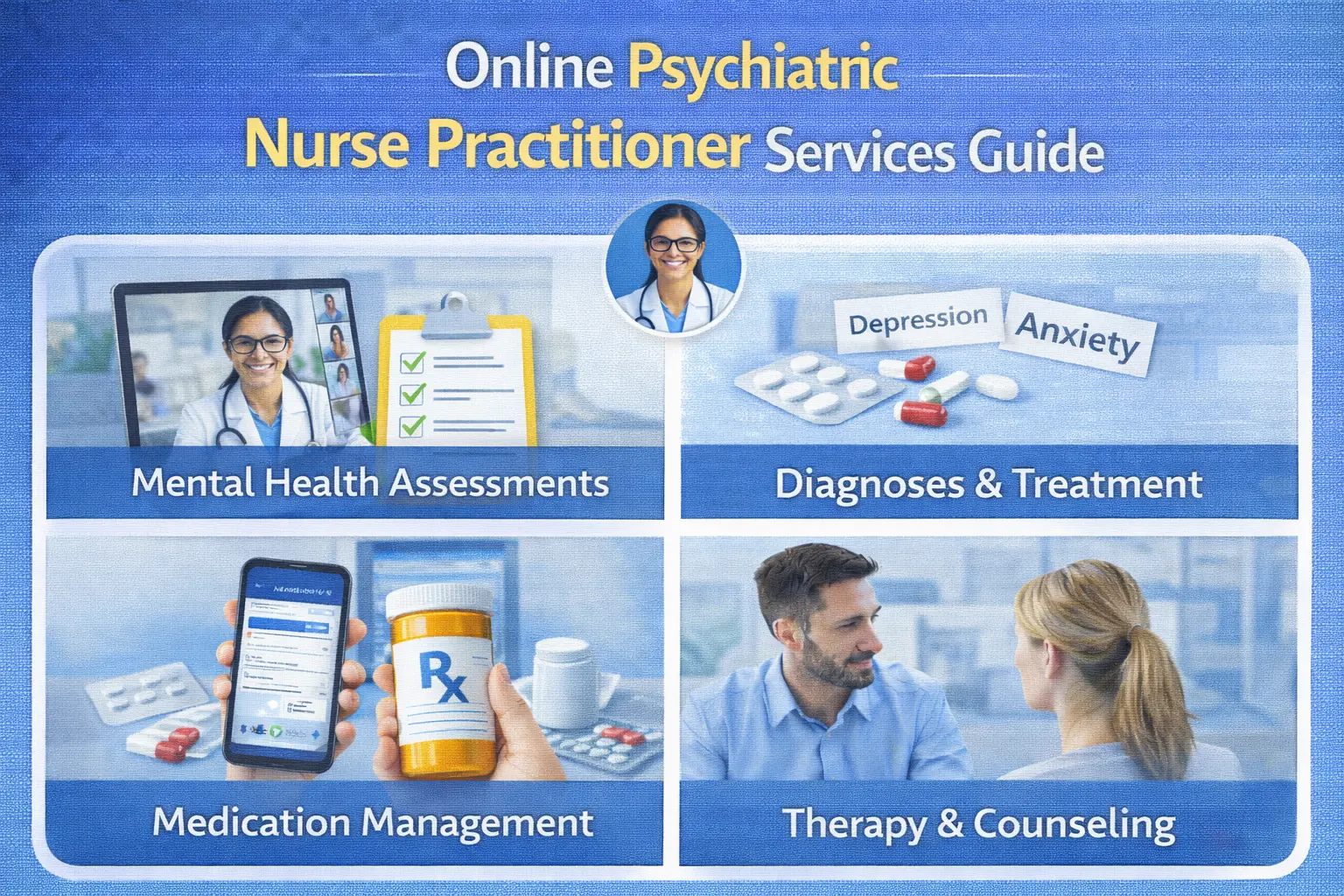
Telehealth has expanded access to psychotherapy, particularly for individuals in remote areas or with limited mobility. Virtual sessions allow patients to maintain consistency in treatment, engage with qualified professionals from home, and coordinate therapy with medication management. Telehealth ensures that patients receive continuous support while balancing daily responsibilities.
Monitoring Progress and Adjusting Treatment
Psychotherapy is dynamic, with ongoing assessment and adjustment based on patient progress. Therapists track improvements in mood, behavior, and functional outcomes. Regular check-ins with prescribers allow for medication adjustments if necessary. This coordinated approach ensures that treatment remains responsive and effective over time.
Cultural and Individual Considerations
Effective psychotherapy takes cultural, linguistic, and personal factors into account. New York providers are encouraged to tailor therapy methods to align with the patient’s background, values, and lifestyle. Trauma-informed care, sensitivity to cultural norms, and awareness of individual stressors are key elements in creating a safe and supportive therapeutic environment.
The Importance of Patient Engagement
Active engagement in therapy is critical for success. Patients who participate fully in sessions, complete homework exercises, and practice learned strategies outside therapy tend to experience faster symptom improvement. Therapists encourage collaboration, goal-setting, and accountability to maximize the benefits of treatment.
Conclusion
Psychotherapy is a cornerstone of Major Depressive Disorder Treatment, addressing the emotional, behavioural, and cognitive components of depression. By teaching coping strategies, providing support, and promoting self-awareness, psychotherapy helps individuals regain control of their lives and strengthens resilience against future depressive episodes. Combined with medication, lifestyle changes, and community support, it provides a comprehensive framework for recovery.
For individuals seeking consistent and flexible professional care, working with an Online Psychiatric Nurse Practitioner offers access to therapy, medication guidance, and personalized treatment plans all essential for ongoing support and long-term wellness.