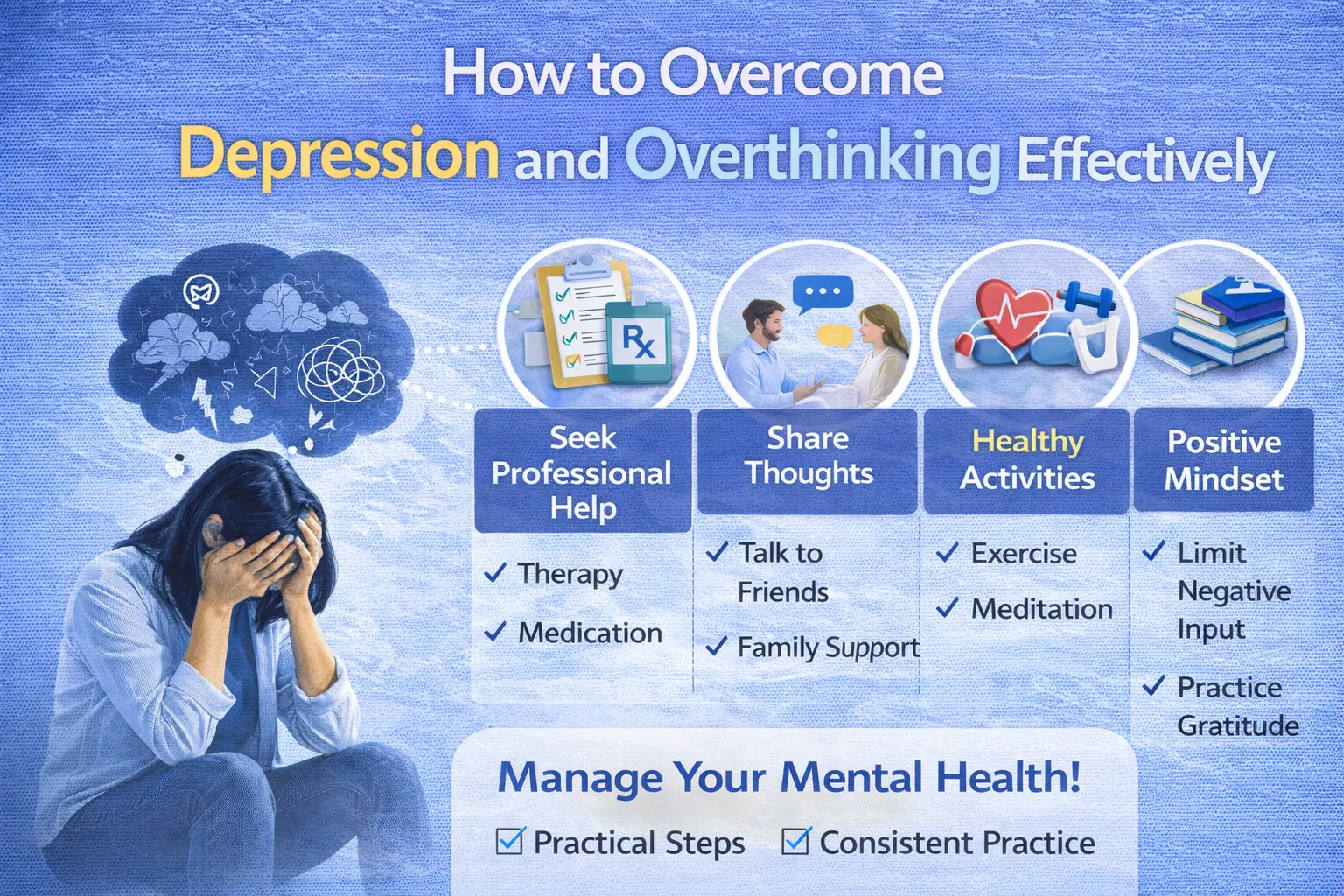
Recovering from depression involves more than clinical care. While Major Depressive Disorder Treatment provides the foundation through therapy, medication, or a combination of both many people discover that lifestyle changes can make the difference between temporary relief and long-term stability. These changes aren’t quick fixes. They are supportive habits that strengthen emotional resilience, help regulate mood, and provide structure during times when motivation feels hard to access. This guide explores the role of lifestyle practices in depression recovery and how individuals in New York can integrate them into treatment plans that feel realistic and sustainable.
Why Lifestyle Changes Matter in Depression Recovery
Lifestyle factors play a powerful role in shaping mental health. Researchers have found that consistent routines, balanced movement, adequate rest, and social support significantly influence how the brain processes emotions and stress. When these elements work alongside professional treatment, individuals often experience more stability and fewer relapses. The goal isn’t perfection it’s building habits that make daily life more manageable and rewarding.
Understanding the Body–Mind Connection
Depression affects the body as much as the mind. Slowed physical movement, disrupted sleep cycles, low energy, and changes in appetite are common symptoms. Lifestyle changes help regulate the biological processes tied to mood, such as cortisol levels, sleep–wake rhythms, and neurotransmitter activity. When these systems become more balanced, it supports the effectiveness of therapy and medication. Organizations such as Serenity Telehealth often remind patients that recovery is a whole-body process supported by daily choices.
1. Establishing Consistent Sleep Routines
Sleep is one of the most overlooked yet essential components of recovery. Depression can lead to insomnia, oversleeping, or irregular sleep patterns. Restoring sleep balance takes time, but small adjustments can create meaningful improvements.
Practical Sleep Strategies
Set a consistent wake-up time
Limit screen exposure before bed
Create a calming routine, such as reading or listening to soft music
Avoid caffeine or heavy meals late in the evening
Quality sleep strengthens emotional regulation, making daily stress easier to manage.
2. Nutrition and Mental Health
While food is not a cure for depression, nutritional patterns influence mood, energy levels, and cognitive clarity. Studies show that diets rich in whole foods fruits, vegetables, whole grains, and lean proteins support brain health. Omega-3 fatty acids, found in fish, nuts, and seeds, may help reduce inflammation associated with depressive symptoms.
Tips for Supportive Eating Habits
Keep easy, nutritious snacks on hand
Eat smaller meals throughout the day to maintain energy
Avoid high-sugar foods that lead to crashes
Even modest improvements in nutrition can complement the clinical progress made in therapy sessions.
3. Physical Activity as a Treatment Enhancer
Exercise is one of the most researched lifestyle interventions for depression. It stimulates neurotransmitters such as serotonin and dopamine, which support motivation and pleasure. It also reduces stress and provides a natural boost in mood.
Making Movement Accessible
Patients often feel pressure to “exercise” intensely, but gentle movement is just as beneficial:
Walking
Stretching
Yoga
Light strength training
The goal is consistency, not intensity. Even ten minutes a day can improve emotional stability and energy levels.
4. Building Social Support
Depression often leads to isolation, but connection is a crucial protective factor. Supportive relationships remind individuals that they are not alone and that recovery doesn’t have to happen in isolation.
Ways to Reconnect
Schedule short check-ins with friends
Join community groups or hobby clubs
Attend support groups via local organizations or virtual platforms
Social connection can serve as a stabilizing anchor during treatment, even when it occurs in small, manageable steps.
5. Mindfulness and Stress Reduction
Mindfulness, meditation, and breathing exercises help individuals stay grounded and reduce the mental spiralling that often accompanies depression. Evidence shows that mindfulness-based practices can reduce rumination, calm the nervous system, and increase emotional awareness.
Mindfulness Habits That Support Recovery
Daily five-minute breathing exercises
Guided meditation apps
Journaling to track emotional patterns
These tools work alongside therapy, especially cognitive-behavioural strategies, to reinforce healthier ways of thinking.
6. Creating a Structured Daily Routine
Depression can make everyday tasks feel overwhelming. A simple, predictable routine provides stability and reduces decision fatigue. This structure offers a sense of control when emotions feel difficult to manage.
Routine-Building Tips
Start with three daily anchors: wake-up time, meals, and wind-down
Break tasks into smaller chunks
Celebrate small achievements
With time, routines create momentum that supports ongoing recovery.
7. Integrating Lifestyle Changes Into Treatment Plans
These lifestyle practices are most effective when integrated into a broader treatment plan. In the middle stages of recovery, individuals may review strategies through resources that reflect a broader NY Depression Treatment Overview, helping them understand how lifestyle, therapy, and medication work together. Clinicians often help patients identify manageable goals and adjust them according to progress. When lifestyle changes align with treatment recommendations, the path to recovery becomes more cohesive and achievable.
The Importance of Personalized Lifestyle Adjustments
There is no single “correct” lifestyle strategy for depression recovery. Individual needs vary widely—what works for one person may not work for another. Some patients benefit most from movement, while others respond strongly to routine or mindfulness. Working collaboratively with a mental health provider helps tailor recommendations to each person’s unique strengths, challenges, and environment.
Overcoming Barriers to Lifestyle Change
It’s common to feel unmotivated or uncertain about where to start. Depression affects energy, concentration, and decision-making. That’s why starting small is essential. A few minutes of activity, one small nutrition improvement, or a short conversation with a friend can become stepping stones toward more significant changes. Clinicians encourage patience, self-compassion, and realistic expectations. Progress builds gradually, and setbacks are part of the process—not signs of failure.
The Role of Telehealth in Supporting Lifestyle Habits
Telehealth has made it easier for patients to stay engaged in treatment while making lifestyle changes at their own pace. Virtual sessions allow individuals to meet with therapists or prescribers without the stress of commuting or adjusting schedules. This flexibility supports continuity of care, which is particularly valuable when establishing new habits. Many providers offer digital tools, worksheets, and check-ins that help reinforce lifestyle strategies between sessions.
Conclusion
Recovery from depression is a multifaceted process that blends clinical care with supportive lifestyle changes. As individuals work through Major Depressive Disorder Treatment, habits such as improved sleep routines, balanced nutrition, physical activity, mindfulness, and structured daily planning can reinforce emotional healing and long-term stability. These changes don’t replace therapy or medication but enhance their effectiveness, offering patients a stronger foundation for recovery.
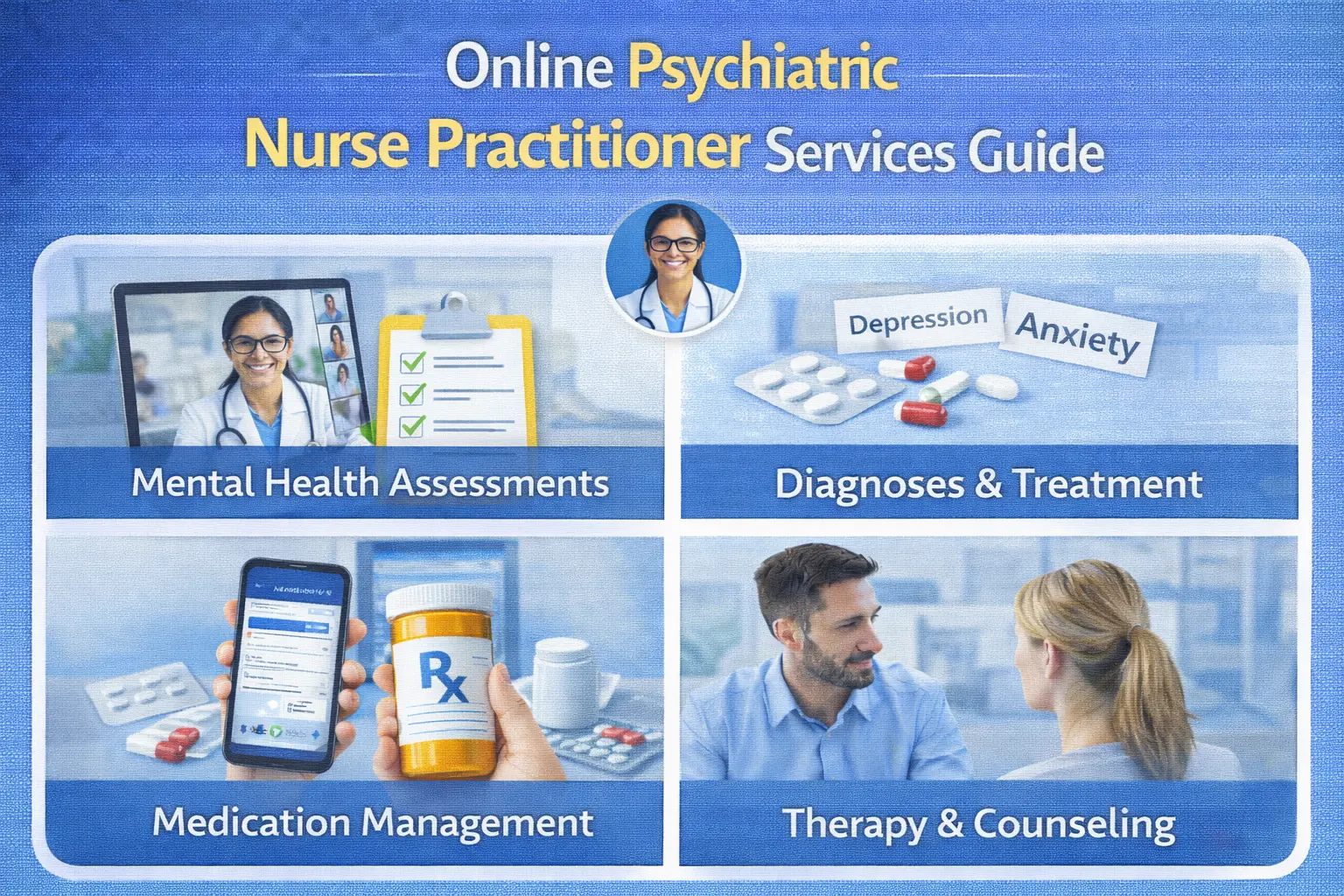
For those seeking guidance that integrates both clinical expertise and practical, everyday strategies, connecting with an Online Psychiatric Nurse Practitioner can provide the ongoing support needed to make sustainable progress.