


Over the past decade, I’ve seen virtual care shift from a niche service to an essential part of modern healthcare delivery. Among the most in-demand professionals in this transformation are Nurse Practitioners (NPs) and Physician Assistants (PAs). Their flexibility, advanced training, and patient-centered approach make them ideal providers in remote settings. But with that opportunity comes the need for accurate and thorough verification. That’s where strong Telehealth Credentialing Services play a foundational role. Without consistent credentialing practices, even the most skilled NP or PA can face delays, compliance gaps, and limitations in providing care across state lines.
Why Credentialing Matters for NPs and PAs in Telehealth
Credentialing verifies that NPs and PAs have the qualifications, licensure, and clinical training required to practice safely and legally. In telehealth, the stakes can be even higher. Because virtual care often crosses geographic boundaries, credentialing must reflect location-specific rules, payer requirements, and remote-care competencies.
Proper credentialing ensures:
Legal authorization to practice in the patient’s state
Alignment with scope-of-practice regulations
Verification of education, board certification, and clinical experience
Compliance with telehealth standards and privacy laws
Protection against liability and malpractice risks
For patients, this verification builds trust. For organizations, it safeguards operations.
The Expanding Role of NPs and PAs in Virtual Care
NPs and PAs have become integral to telemedicine because of their versatility and the growing need for accessible healthcare. They commonly support virtual care in urgent care, chronic disease management, behavioral health, primary care, and specialty follow-ups. Their growing presence means credentialing teams must handle a wider variety of provider backgrounds, regulatory variations, and specialties all while maintaining accuracy and speed.
Understanding State-by-State Licensure Complexities
While telehealth has created new opportunities, licensure rules remain tied to individual states. Each state defines the scope of practice for NPs and PAs differently, which directly influences credentialing requirements.
For Nurse Practitioners:
Some states grant full practice authority, while others require physician collaboration agreements. Credentialing teams must verify:
State practice authority status
Supervisory or collaborative arrangements where required
Prescriptive authority, including controlled substances
For Physician Assistants:
State laws vary regarding the scope of practice and supervisory relationships. Credentialing verifies:
Supervising physician agreements
Delegation of duties
Documentation of supervisory plans
Any state-mandated reporting
This variability requires meticulous verification to ensure providers are compliant no matter where they deliver virtual care.
Education, Certification, and Training Requirements
NPs and PAs undergo rigorous academic and clinical training. Credentialing confirms:
Graduate-level education
National board certification
Residency or specialty training (when applicable)
Documentation of clinical hours
Continuing education requirements
These steps ensure that the provider’s knowledge aligns with the services they intend to deliver virtually.
Competencies Needed for Successful Telehealth Practice
Beyond traditional qualifications, NPs and PAs must demonstrate proficiency in virtual care delivery. Credentialing often assesses comfort with:
Telehealth platforms and digital tools
Remote assessment techniques
Virtual patient engagement and communication
Recognizing clinical red flags via video
Adhering to HIPAA and remote documentation standards
Managing digital follow-up workflows
Patients expect seamless experiences, and these competencies help ensure NPs and PAs deliver consistent, safe care online.
Ensuring Safe Prescribing Practices in Telemedicine
Prescribing is one of the more tightly regulated areas of telehealth. Credentialing includes checking:
DEA registration for controlled substances
State prescribing authority
Alignment with federal telehealth prescribing laws
Compliance with state-specific telecontrolled substance rules
Telehealth providers must understand not just how to prescribe remotely but when virtual prescribing is restricted.
The Importance of Background Checks and Professional History
Credentialing requires a complete review of professional history. That includes:
Malpractice claims history
Disciplinary actions
Employment verification
Secure reference checks
Sanctions checks through federal databases
For NPs and PAs entering multi-state telehealth roles, this background verification becomes even more essential.
Internal Processes That Support Strong Virtual Care Credentialing
A comprehensive credentialing program includes structured workflows such as:
License and certification tracking
Automated reminders for renewals
Verification through primary sources
Ongoing compliance audits
Monitoring regulatory updates
Healthcare organizations often rely on experienced partners such as RCM Experts to streamline these operations and reduce onboarding delays.
Expanding Credentialing Needs in Multi-State Telehealth
Telehealth frequently requires providers to hold several state licenses. Credentialing ensures:
Accurate multi-state licensure documentation
Compliance with individual practice requirements
Updated records as laws evolve
Clear mapping of provider availability by state
As organizations scale across the country, efficient multi-state credentialing becomes one of their most important operational assets.
How Credentialing Impacts Payer Enrollment and Reimbursement
Most payers will not reimburse a telehealth visit unless the provider is fully credentialed and enrolled. Incomplete credentialing can lead to:
Claim denials
Compliance warnings
Revenue cycle disruptions
Delayed patient scheduling
This is why telehealth teams often integrate credentialing with revenue cycle and operations units to avoid bottlenecks. When done correctly, it supports long-term financial stability.
Quality Assurance and Ongoing Compliance
Credentialing is never just an onboarding task it requires ongoing attention. Organizations must maintain updated records and verify any changes in provider status. These quality assurance steps support not only safety but also trust, consistency, and regulatory alignment.
Telehealth Credentialing and the Need for Compliance Essentials
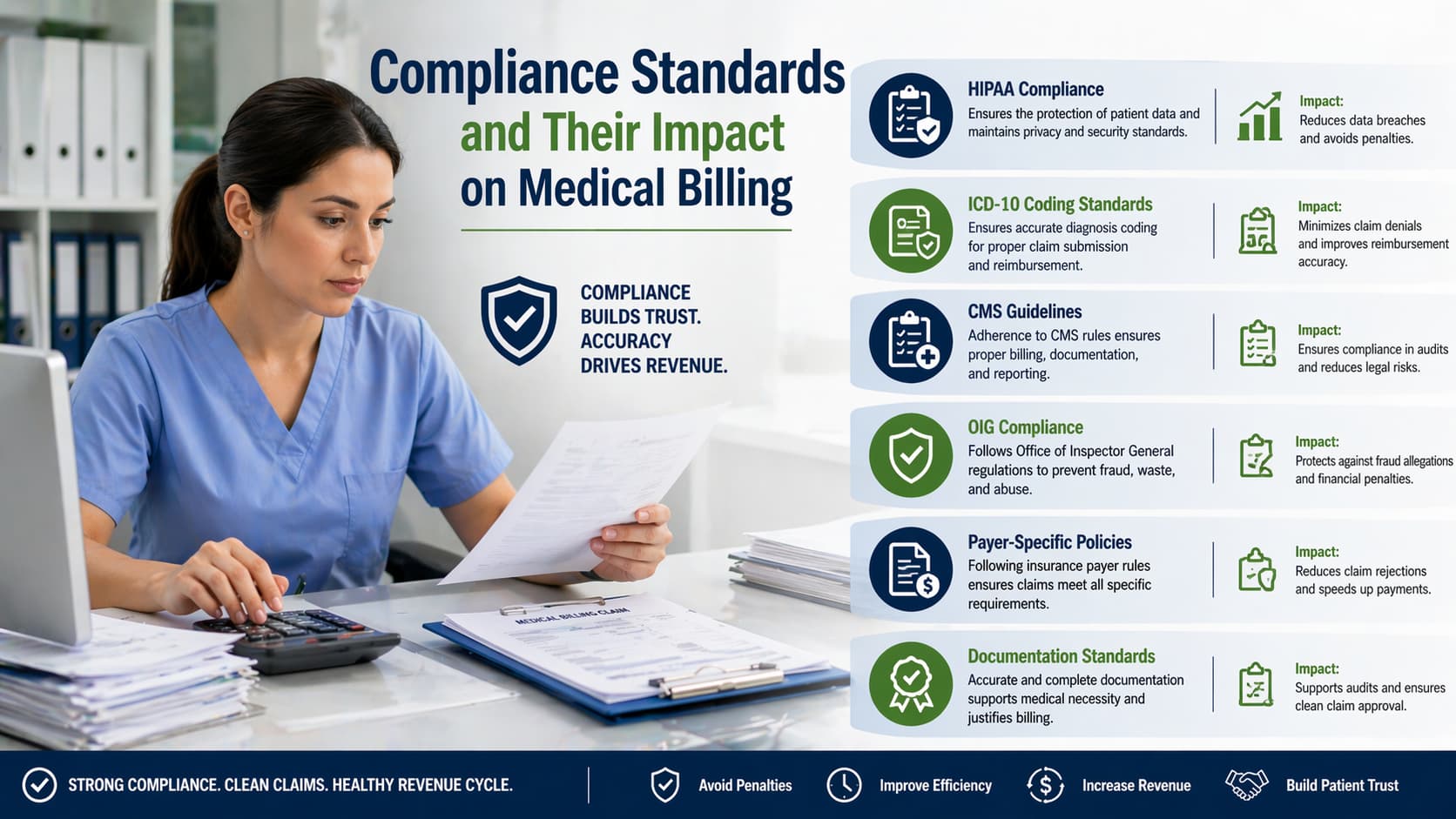
In the middle of the credentialing process, teams must ensure they are aligned with Telemedicine credentialing compliance essentials, which include:
Meeting federal telehealth rules
Adhering to state-specific virtual care laws
Ensuring documentation accuracy
Following payer policies
Maintaining digital privacy protections
This central part of the workflow ensures that providers meet the legal and professional standards required for remote practice.
Future Trends in NP and PA Telehealth Credentialing
As virtual care grows, credentialing requirements will likely evolve to include:
More standardized multi-state licensure frameworks
Expanded roles for NPs and PAs in underserved areas
Stronger digital competency verification
Increased use of telehealth simulation training
Automated primary source verification technology
Understanding these trends helps organizations prepare for continued expansion.
Final Thoughts
Credentialing for NPs and PAs goes far beyond verifying basic qualifications. It protects patients, supports operational stability, and ensures compliance across a rapidly changing virtual care landscape. With the right structures, organizations can onboard providers faster while maintaining the highest safety standards. Many teams choose to integrate credentialing with Medical billing services to keep clinical and administrative processes aligned, reducing risk and improving efficiency. With thorough credentialing in place, NPs and PAs can confidently deliver high-quality care to patients wherever they are.