





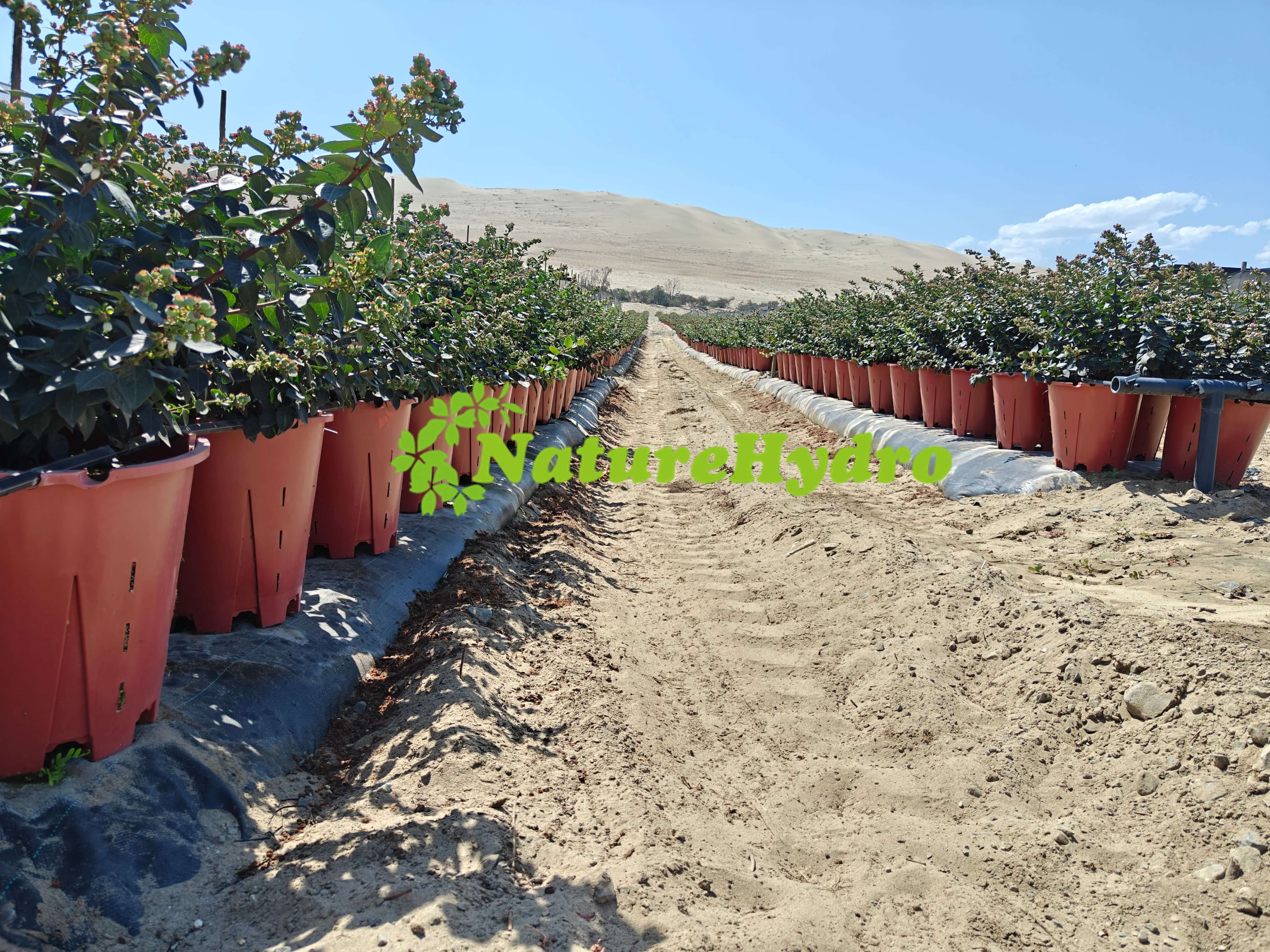
In modern blueberry production, containerized systems have become more than a mere convenience—they are now a cornerstone of commercial success. Unlike traditional field cultivation, container-based blueberry production allows for precise control over soil composition, moisture levels, nutrient availability, and root environment. Among the many variables that influence plant performance, one stands out for its foundational importance: container size. While growers often focus on fertilizers, irrigation, or cultivar selection, the physical volume of the container ultimately sets the stage for root development, plant vigor, and, consequently, fruit yield.
Understanding the effects of container size in blueberry production requires a holistic view of plant biology and production management. Blueberries are perennial plants with shallow, fibrous root systems that are highly sensitive to environmental conditions. Their roots evolved to thrive in acidic, well-drained soils with consistent moisture and nutrient availability. In a containerized system, the size and design of the container become the primary determinants of how well these conditions can be maintained. When container size is insufficient, roots encounter physical limits that constrain growth, reduce nutrient uptake, and ultimately diminish yield. Conversely, appropriately sized containers provide space for roots to expand, improve resilience to stress, and support consistent production across multiple growing seasons.
This article explores the complex relationship between container size, root health, and yield in blueberry production. By examining physiological processes, environmental interactions, and commercial implications, it becomes clear that container selection is not simply a logistical or cost-driven decision, but a strategic choice that defines the long-term success of a blueberry operation.
Root System Dynamics and Spatial Constraints
The root system is the engine of blueberry productivity. Unlike annual crops that complete their life cycle quickly, blueberries maintain the same root environment for years. Container size therefore dictates the spatial parameters in which roots must operate throughout their lifespan. Roots grow, senesce, and regenerate in a confined space, and the degree to which the container accommodates these processes determines the plant’s ability to maintain vigor over time.
In undersized containers, roots encounter physical barriers that force them to compact and spiral. This circling and compression reduces effective surface area for nutrient and water uptake and impairs gas exchange within the root zone. While above-ground growth may appear normal initially, the stress imposed on roots gradually manifests in smaller berries, inconsistent ripening, and reduced yields in subsequent seasons. Overcrowded roots are also more susceptible to disease and root rot because water may stagnate in compressed zones, creating anaerobic conditions that favor pathogens.
Appropriately sized containers, on the other hand, provide room for lateral and vertical root expansion. This spatial freedom allows roots to explore the substrate fully, establishing a dense yet well-aerated network that maximizes access to nutrients and water. The balance between space and density is critical: containers that are too large can dilute root density, reducing the efficiency of resource uptake, while containers that are too small constrain growth and accelerate stress accumulation.
Water Management and Moisture Buffering
Container size directly influences the water dynamics within the root zone. Small containers have limited moisture-holding capacity and can dry out quickly, creating periods of water stress that compromise root function. Water stress during flowering and fruit set can be particularly damaging, leading to aborted flowers, reduced berry set, and smaller fruit. Frequent fluctuations in soil moisture also force roots to adjust constantly, expending energy that could otherwise support vegetative growth or fruit development.
Larger containers provide a buffering effect, maintaining more stable moisture levels even under variable irrigation schedules. The increased volume of substrate acts as a reservoir, allowing water to remain available to roots for longer periods. This stability supports more uniform nutrient uptake and reduces stress-related fluctuations in plant metabolism. However, the benefits of a larger container depend on proper drainage and aeration. Without these features, excessive substrate volume can retain too much water, increasing the risk of root diseases and hypoxic conditions.
For commercial blueberry growers, the water-buffering properties of container size translate directly into yield consistency. Plants with stable root zone moisture are more resilient to short-term droughts or irrigation errors, producing berries of more uniform size, flavor, and firmness—qualities that are highly valued in fresh fruit markets.
Nutrient Dynamics and Uptake Efficiency
The volume of the container also regulates how nutrients are distributed and absorbed by roots. In smaller containers, nutrient levels can fluctuate rapidly. Fertilizers may create short-lived spikes, followed by rapid depletion as roots quickly exhaust the available substrate. Such instability stresses the plant, reducing nutrient use efficiency and potentially leading to deficiencies or toxicity over time.
Larger containers moderate these fluctuations by providing a greater substrate volume that retains nutrients longer. Roots in an adequately sized container can access a more stable nutrient environment, supporting continuous growth and sustained fruit development. This stability is particularly important for perennial crops like blueberries, where long-term nutrient availability affects not only the current season’s yield but also the potential for flower bud initiation and berry production in subsequent years.
However, nutrient uptake efficiency is not determined by volume alone. Root density relative to substrate volume must also be considered. Excessively large containers may leave portions of the substrate underutilized, reducing overall uptake efficiency. Optimal container size achieves a balance, allowing roots to occupy enough volume to maintain consistent access to water and nutrients without creating unused substrate that wastes resources.
Oxygen Availability and Root Respiration
Oxygen is critical for root metabolism. Blueberry roots are sensitive to hypoxic conditions, which can arise when water-saturated substrate limits gas exchange. Container size influences oxygen availability by affecting substrate depth and compaction patterns. Shallow or undersized containers often lead to dense, poorly aerated root zones, increasing susceptibility to hypoxia and pathogen attack.
Larger containers create more stratified environments within the substrate, where roots can grow into zones with sufficient oxygen while avoiding overly saturated areas. This spatial heterogeneity promotes root resilience, supporting sustained respiration, energy production, and nutrient uptake. When combined with well-aerated substrates and proper drainage, adequately sized containers help maintain a high level of root function throughout the plant’s lifecycle.
Long-Term Root Health and Plant Longevity
In perennial blueberry production, container size has profound implications for plant longevity. Roots continuously cycle through growth, aging, and regeneration. Containers that are too small restrict space for new root growth, accelerating root senescence and reducing the proportion of active, functional roots over time. This decline may not immediately affect above-ground growth but gradually limits the plant’s capacity to support fruiting, leading to diminishing yields and earlier replanting needs.
Adequately sized containers support ongoing root renewal, ensuring that new roots have space to grow without displacing older roots prematurely. This continuous renewal maintains high root activity, allowing the plant to sustain consistent fruit production over multiple seasons. From a commercial perspective, this translates into longer productive life for each plant, reducing replanting frequency and improving overall return on investment.
Yield Formation and Source-Sink Balance
The relationship between container size and yield is mediated through the plant’s source-sink dynamics. Roots act as the interface between the substrate and the plant’s energy sources, supplying water and nutrients that fuel photosynthesis and support fruit development. In restricted containers, the root system’s limited capacity can constrain the number and size of berries a plant can produce. Plants may abort flowers or reduce fruit size to match the root system’s capacity, leading to lower yield potential.
In appropriately sized containers, the root system can support a larger and more stable sink load, enabling the plant to carry more berries without sacrificing individual fruit quality. This balance is essential for commercial blueberry production, where both total yield and fruit uniformity directly impact marketability and profitability.
Stress Resilience and Environmental Buffering
Container size also plays a critical role in how blueberries respond to environmental stress. Larger containers provide greater buffering against fluctuations in temperature, moisture, and nutrient availability. Substrate volume absorbs temperature swings more effectively, reducing the risk of root damage during heat waves or cold snaps. Similarly, larger containers moderate the effects of temporary irrigation errors, giving growers a margin of safety that can prevent stress-induced yield losses.
Smaller containers, by contrast, magnify environmental stress. A short period without water or an unexpected heat spike can quickly compromise root function, limiting fruit set, berry size, and plant vigor. Over multiple seasons, the cumulative effects of stress in small containers can lead to significant declines in yield and plant health.
Economic Considerations and Strategic Container Selection
While larger containers often enhance root health and yield potential, they come with higher upfront costs, increased substrate requirements, and greater space demands. Smaller containers may appear cost-effective initially but can lead to hidden expenses related to reduced yields, increased management intensity, and earlier replanting cycles.
The most effective container strategies balance these factors by aligning container size with the expected root growth of mature plants. Forward-thinking growers consider not only the current season’s needs but also how the root system will expand over several years. Optimizing container size ensures that plants reach their full productive potential while minimizing waste and operational inefficiency.
From a market perspective, container size impacts the predictability and quality of the harvested fruit, both of which are critical for supplying premium markets. Containers that support consistent yields, uniform berry size, and long-term plant health enhance profitability and strengthen brand reputation.
Conclusion
Container size is a fundamental, yet often underappreciated, determinant of blueberry performance in containerized systems. It governs root architecture, water and nutrient dynamics, oxygen availability, stress resilience, and long-term plant longevity. Inadequately sized containers limit root development, constrain yield potential, and increase susceptibility to stress and disease. Conversely, appropriately sized containers provide spatial freedom for roots, stabilize moisture and nutrient availability, and support sustainable, high-quality fruit production across multiple seasons.
In blueberry production, container size is not a passive logistical decision—it is a strategic choice that influences every aspect of plant health and commercial success. By carefully selecting containers that accommodate root growth, facilitate efficient resource uptake, and buffer environmental stresses, growers can unlock the full potential of containerized blueberry cultivation. The investment in optimal container size pays dividends in consistent yield, superior fruit quality, longer plant life, and greater economic returns, making it a critical component of modern, high-performance blueberry production systems.
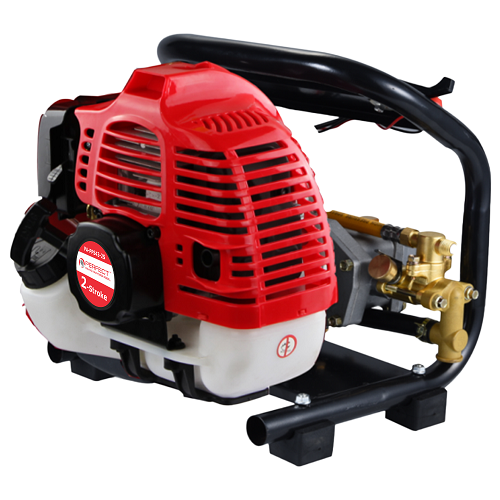
Portable power sprayer is an agriculture spraying tool used in farm and fields to control pest attack on crops, They are widely used in agriculture fields , horticulture, they can also be used for washing and cleaning purposes more details visit https://perfecthouseltd.com/product/portable-power-sprayer-agricultural-pa-pps43-2s/

Uttar Banga Krishi Vishwavidyalaya Universities are the sacred place of learning.
The field of Engineering has become a commercial course.
Uttar Banga Krishi Vishwavidyalaya is one of its kind institutions.
It is providing Agriculture, Horticulture, and Agricultural Engineering courses.
It is an elite Institute.
Read more at - https://www.cheggindia.com/university/uttar-banga-krishi-vishwavidyalaya-ubkv-cooch-behar-10895/