

Many businesses use machine learning to automate decisions and enhance operations, yet many projects struggle once they move beyond testing. Models behave inconsistently, pipelines break, and teams often cycle through the same problems. These issues rarely stem from technology alone. They often reflect gaps in understanding, missing checks, and a lack of practical experience. Recognizing how companies reduce AI failures by upskilling engineering teams has become an important step toward building stable machine learning systems.
Why AI Projects Struggle
Machine learning is driven by data behavior, not fixed rules. Engineers who are used to deterministic systems may miss early warning signs such as poor data quality, shifting patterns, or flawed assumptions. This can lead to inaccurate outputs, biased results, and unstable performance. Without the right skill set, even well-intended AI projects become fragile and unreliable.
Why Upskilling Matters
Upskilling closes the gap between traditional engineering and the unique needs of machine learning. When teams gain practical knowledge, they shift from reacting to problems to preventing them. Improved understanding allows them to identify risks, test systems correctly, and maintain reliability throughout the lifecycle. This approach lies at the core of how companies reduce AI failures by upskilling engineering teams.
Developing Strong Data Skills
Most failures start with data. When data is inconsistent or poorly labelled, models learn the wrong patterns. Training engineers to assess data quality, understand structure, and apply validation processes helps reduce these issues. Clean, well-organized data leads to more dependable predictions and smoother deployments.
Improving Evaluation and Testing Practices
A model that performs well in development may produce unexpected results in real usage. Engineers must learn how to evaluate performance across different user groups, identify edge cases, and pressure-test models under varying conditions. Strong evaluation practices ensure models don’t break when exposed to unfamiliar situations.
Monitoring and Drift Management
AI systems need ongoing attention. Without monitoring, it becomes difficult to spot performance decay or changes in data patterns. By learning how to track model behavior, set alerts, and interpret trends, engineers can detect issues early and take corrective action before failures impact users.
Building Responsible and Secure Development Habits
Responsible development is another important area. Engineers need skills in fairness checks, secure model handling, and clear documentation. These habits protect the organization from biased outcomes, misuse, or vulnerabilities within model pipelines.
Strengthening Deployment and MLOps Capabilities
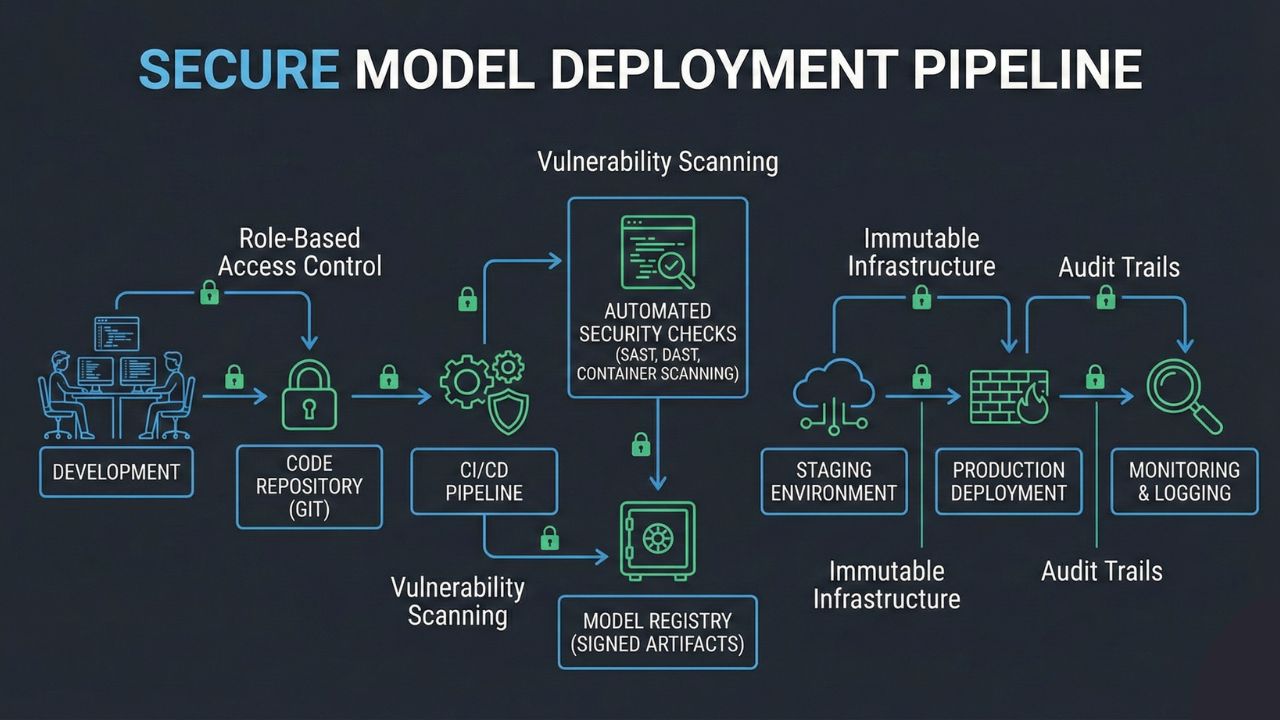
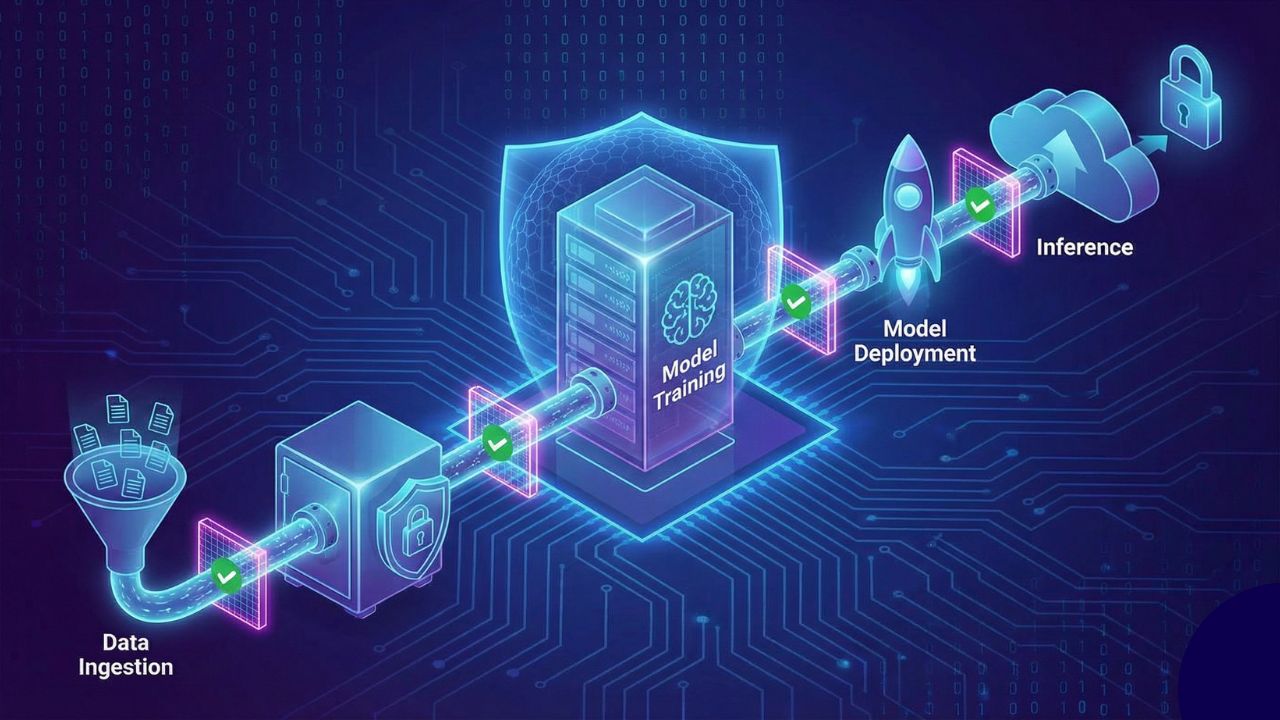
Deployment is often where AI systems face the most serious issues. MLOps skills such as automated testing, pipeline management, and version control help engineers deliver updates safely and consistently. These practices reduce deployment-related failures and minimize downtime.
Effective Methods for Upskilling Teams
Hands-on training is one of the strongest ways to build real ability. Labs, simulations, and real-scenario exercises help engineers understand how model failures occur and how to prevent them. Internal workshops support knowledge sharing, while cross-functional collaboration reduces communication gaps between data scientists, ML engineers, and developers. Many companies also rely on documentation and internal playbooks to ensure teams follow reliable processes.
How Upskilling Improves Outcomes
When teams gain the right skills, they identify risks earlier, maintain cleaner data pipelines, and deploy systems more safely. Monitoring becomes routine rather than optional, and engineers respond to issues with greater clarity. These improvements reinforce the idea of how companies reduce AI failures by upskilling engineering teams, showing that long-term reliability depends on continuous learning.
Check out our latest course on AI Security from the link mentioned, and also visit our website, Modern Security, for the latest blogs.
Conclusion
The strength of an AI system depends on the people behind it. When organizations invest in structured, practical upskilling, their teams become more capable, confident, and aligned. This leads to fewer failures, smoother deployments, and better long-term performance. Upskilling isn’t just an added benefit it’s the foundation of dependable machine learning.