



Psychiatric nurse practitioners (PNPs) play a critical role in New York City’s mental health system, delivering comprehensive care to patients across hospitals, clinics, and virtual platforms. A Nurse Practitioner in NYC is trained to diagnose mental health conditions, provide therapy, prescribe medications, and support long-term recovery. Understanding their responsibilities is essential for patients seeking care and for those considering a career in psychiatric nursing. PNPs bridge gaps in the healthcare system by providing accessible, high-quality mental health services in a city with high demand and diverse patient needs.
Educational Path and Certification
PNPs complete advanced nursing degrees such as a Master of Science in Nursing (MSN) or Doctor of Nursing Practice (DNP). They receive specialized training in psychiatric-mental health care, focusing on diagnosis, therapy, pharmacology, and patient management. Certification through national boards validates their ability to practice safely and effectively. Continuing education is required to maintain licensure, ensuring clinicians stay current with emerging treatments, therapies, and best practices.
Clinical Settings
Psychiatric nurse practitioners work in various environments to meet the mental health needs of New Yorkers:
1. Hospitals
PNPs assess patients with acute mental health concerns, manage treatment plans, and collaborate with multidisciplinary teams.
2. Community Clinics
These centers rely on PNPs to deliver affordable mental health services in underserved neighborhoods.
3. Private Practice
Some PNPs work independently or with physicians to provide outpatient therapy and medication management.
4. Telehealth Services
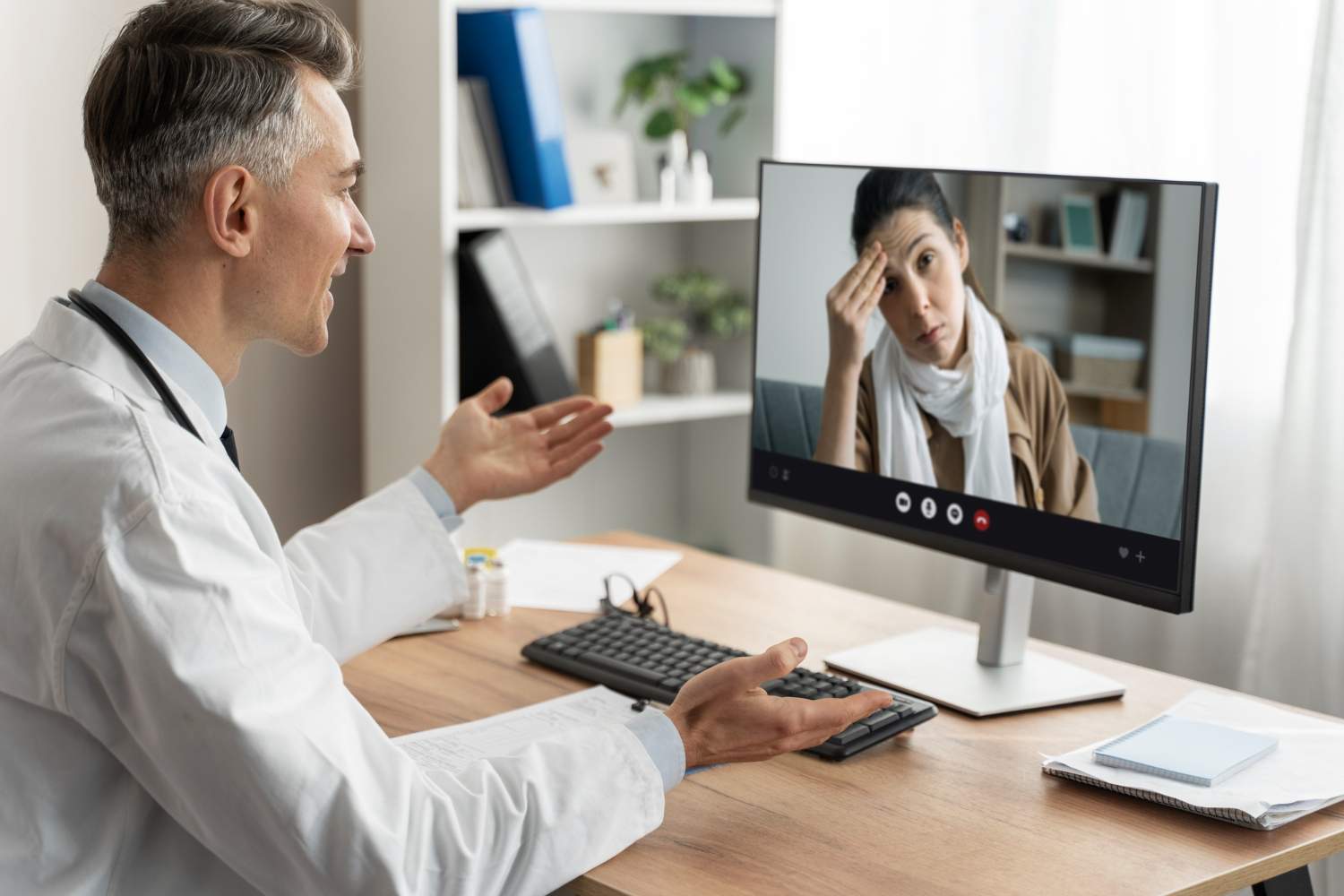
Virtual care has expanded access, allowing patients to receive treatment from home without barriers related to transportation or scheduling.
Key Responsibilities
PNPs have a wide range of clinical duties, ensuring patients receive comprehensive mental health care:
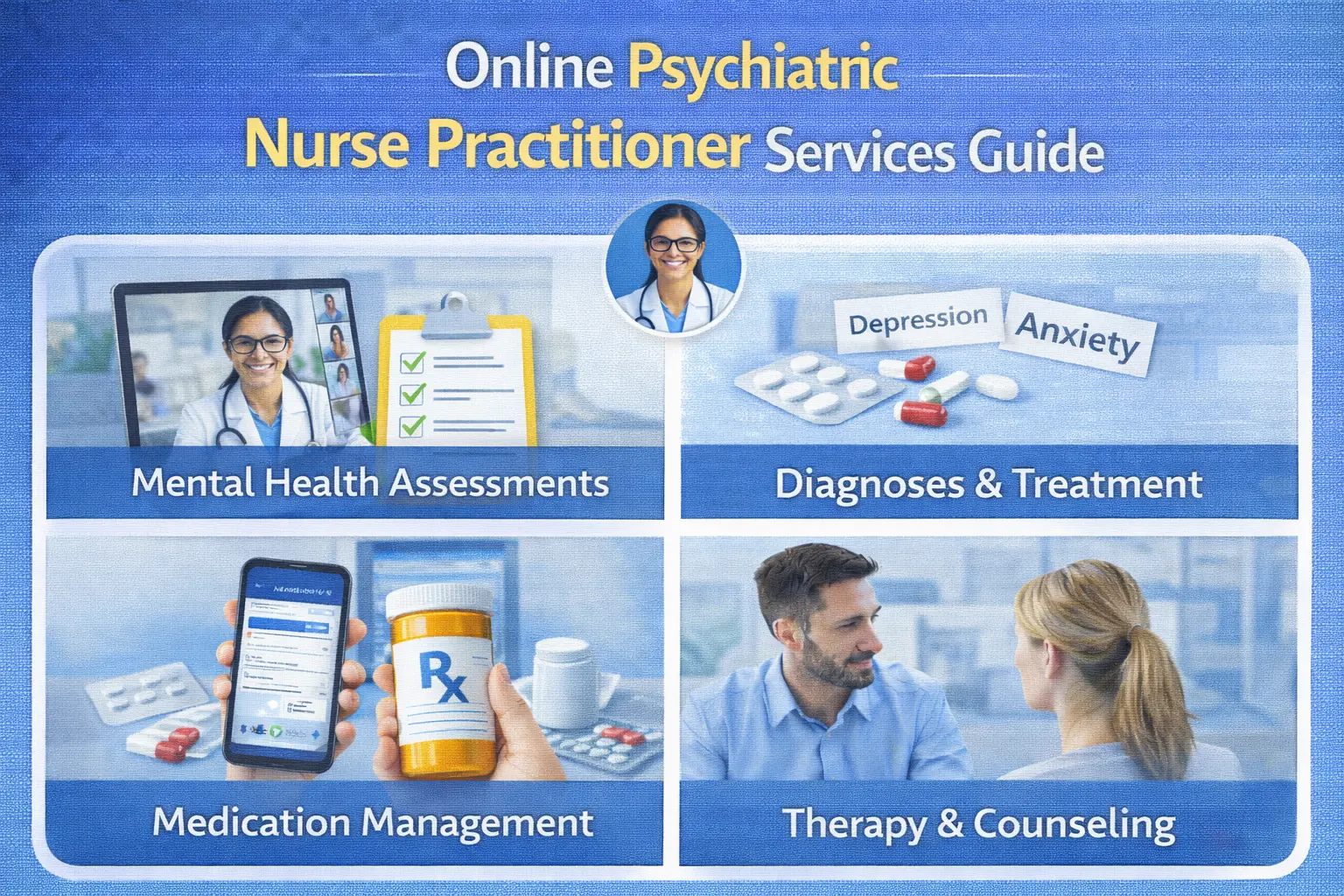
Conducting psychiatric assessments and evaluating mental health status
Diagnosing conditions such as depression, anxiety, bipolar disorder, and PTSD
Developing individualized treatment plans
Prescribing and managing psychotropic medications
Providing psychotherapy and counselling sessions
Monitoring patient progress and adjusting treatment as needed
Educating patients and families about mental health, coping strategies, and self-care
Collaborating with other healthcare professionals to ensure integrated care
NYC Psychiatric NP Roles
Throughout New York City, psychiatric nurse practitioners fulfil diverse responsibilities that extend beyond patient care. Highlighting NYC Psychiatric NP Roles, they often participate in:
Advocacy for mental health policies and access to care
Crisis intervention and emergency response
Community outreach and public health initiatives
Training, mentoring, and supervising junior staff
Quality improvement and clinical research projects
These expanded roles enable PNPs to influence mental health delivery and outcomes across the city while improving the visibility and effectiveness of psychiatric services.
Patient Assessment and Diagnosis
PNPs perform detailed assessments, considering medical history, psychological symptoms, and social factors. They use evidence-based tools and clinical judgment to identify mental health conditions accurately. Comprehensive evaluation includes screening for co-occurring disorders, substance use, and suicide risk. Early and accurate diagnosis ensures appropriate interventions and better long-term outcomes.
Therapeutic Interventions
Psychiatric nurse practitioners provide psychotherapy techniques, including cognitive behavioral therapy (CBT), dialectical behavior therapy (DBT), and supportive counseling. Sessions may focus on coping strategies, emotional regulation, stress management, and problem-solving skills. Therapy can be offered in-person or via telehealth, making treatment more accessible and flexible for patients with demanding schedules.
Medication Management
PNPs manage the prescription of antidepressants, mood stabilizers, antipsychotics, and other psychotropic medications. They monitor treatment effectiveness, adjust dosages, and educate patients about side effects. Collaborative care with psychiatrists or other medical professionals ensures safe and individualized medication management.
Patient Education and Advocacy
Education is a vital component of PNP responsibilities. They teach patients and families about mental health, treatment adherence, and self-care strategies. Advocacy efforts help reduce barriers to care, particularly for underserved or marginalized populations. PNPs may also help patients navigate insurance, coordinate follow-ups, and access community resources.
Interdisciplinary Collaboratio
Effective mental health care requires teamwork. Psychiatric nurse practitioners work with psychiatrists, psychologists, social workers, primary care providers, and other specialists. Collaborative care models allow for integrated treatment plans, addressing both the psychological and physical needs of patients.
Telehealth and Technology
Telepsychiatry has become a central aspect of psychiatric NP practice. Digital platforms allow for secure virtual appointments, symptom tracking, and electronic prescription management. Telehealth expands reach, providing convenient access for busy patients or those with mobility limitations. Technology also streamlines documentation, communication, and follow-up care, improving efficiency and quality of service.
Challenges of Psychiatric NP Practice
While PNPs play an essential role, they face challenges in New York City:
High patient volume and heavy caseloads
Administrative tasks and insurance navigation
Limited resources in some community clinics
Emotional demands and risk of burnout
Despite these challenges, PNPs remain committed to delivering high-quality, patient-centered mental health care.
Career Opportunities and Outlook
Careers for psychiatric nurse practitioners in NYC are expanding due to increasing awareness of mental health needs and access gaps. Opportunities include hospital-based roles, outpatient clinics, telehealth positions, and private practice. Professionals in this field can specialize in areas such as child and adolescent psychiatry, geriatric care, or substance use disorders, offering both professional growth and the chance to impact community well-being.
Patient Expectations
Patients receiving care from a psychiatric nurse practitioner can expect:
Thorough assessments and accurate diagnosis
Individualized treatment plans that combine therapy, medications, and lifestyle recommendations
Clear explanations and guidance throughout treatment
Collaboration with other healthcare professionals as needed
Supportive, empathetic care focused on long-term mental wellness
Conclusion
Psychiatric nurse practitioners in New York City serve as essential providers of mental health care, addressing a wide range of conditions through therapy, medication management, education, and advocacy. By combining clinical expertise with patient-cantered care, PNPs help individuals achieve recovery and maintain long-term mental health. For patients seeking flexible and comprehensive support, partnering with Serenity Telehealth provides access to professional psychiatric nurse practitioners who deliver convenient, high-quality care from anywhere in New York City.


These practitioners can cure and identify diseases and illnesses and prescribe medications, and for several insurers, they serve as primary care providers (PCPs) for patients.
Speedy degree programs can use many of the school credits you just made for your introductory level to decrease enough period that it can take to finish a nursing diploma.
Like an outcome, you spend your pathworking in assembling the most relevant skills needed to be always a prosperous R.N.How to be a nurse practitioner?
A composite of internet instruction and in-class engagement presents students the ability to examine work assignments and other crucial responsibilities.
As pointed out previously, to be eligible for the Marian faculty ABSN program, you need to finish a set of requisite classes.
Many individuals decide to modify professions during their life, and nursing can be a popular job choice due to competitive pay, flexible program, and health benefits.Nursing is still a high-growth industry.