





Vaccines are one of the most powerful tools in modern medicine, protecting millions from dangerous infections. Among the most essential are vaccines against diphtheria, pertussis (also known as whooping cough), and tetanus. Though these diseases may sound outdated, they still occur worldwide and can cause severe complications if untreated.
Understanding how these vaccines work helps parents make informed choices and gives adults a clearer picture of why timely immunisation matters.
What Makes Diphtheria, Pertussis, and Tetanus So Dangerous?
These three infections behave very differently, yet they share one commonality: once symptoms appear, the disease can progress rapidly.
Diphtheria is caused by a toxin-producing bacterium that affects the throat and nose. It can block airways, damage the heart, and cause nerve paralysis.
Pertussis, often referred to as “whooping cough,” is characterised by violent coughing attacks that can last for weeks. Babies are most at risk of respiratory failure, pneumonia, seizures, and brain injury.
Tetanus is unique. Unlike many infections, it does not spread from person to person. The bacteria enter through wounds or cuts and release toxins that cause dangerous muscle stiffness and spasms. Without urgent treatment, it can be fatal.
These diseases are difficult and slow to treat once established. Prevention through vaccination is far safer and far more effective.
How the Immune System Responds to These Vaccines
Vaccines teach your immune system to recognise harm without exposing you to the actual disease. They act like a “training manual” for your body.
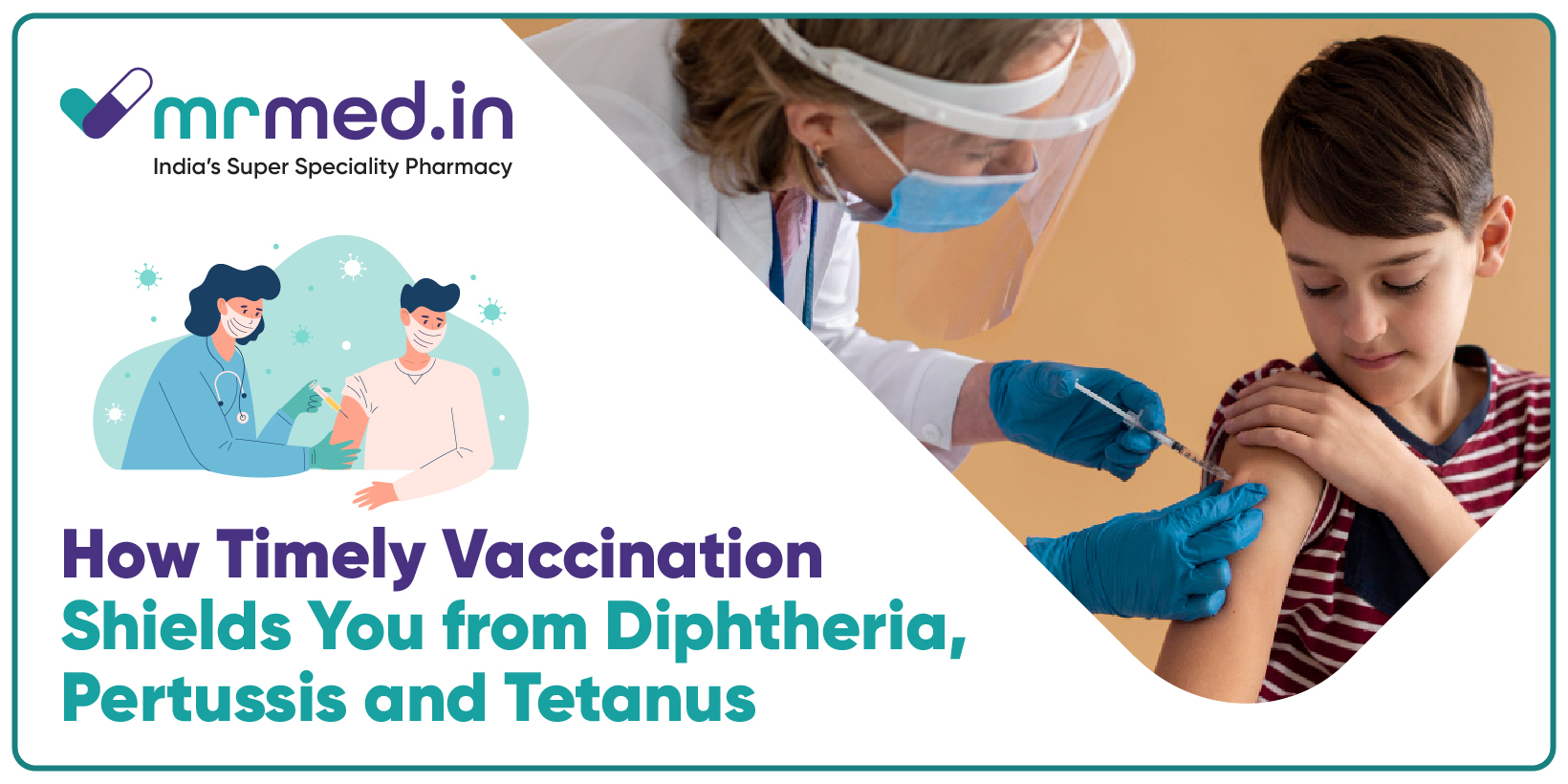
When a child receives a vaccine that protects against diphtheria, pertussis, and tetanus, for example, the DPT Vaccine, their immune system learns to identify the toxins and bacteria responsible for these diseases. It produces antibodies and memory cells that remain alert for years.
If the real infection ever enters the body, the immune system responds immediately, stopping the disease before it becomes dangerous. This early defence is the reason vaccinated individuals either do not get sick at all or experience much milder symptoms.
Why Combination Vaccines Are Important
Combination vaccines reduce pain, protect earlier, and simplify the immunisation schedule. They combine multiple antigens, small harmless parts of bacteria or toxins, into a single injection.
This saves time for parents, reduces the need for clinic visits, and ensures children receive essential protection without delay. One widely used example is the Hexaxim Vaccine, which provides immunity support not only for diphtheria, pertussis, and tetanus, but also for other serious infections. It gives young children broad protection through fewer injections and ensures higher vaccination coverage.
Combination vaccines also reduce missed doses. When fewer appointments are needed, more children complete the full immunisation schedule on time.
How Timely Infant Vaccination Builds Strong Immunity During the Most Vulnerable Years
The first few years of life are when children are most susceptible to harm. Their immune systems are still developing, and the level of antibodies passed from the mother gradually drops after birth.
This is why the vaccination schedule begins early. By the time a baby is two months old, the risk of pertussis is especially high. A delayed vaccine schedule can leave infants unprotected during the months when the disease is most dangerous for them.
In contrast, children who follow the recommended schedule have a strong defence line built early, reducing the severity of these infections even if exposure occurs.
Why Adults Need Booster Doses Too
Many people assume vaccines are only for children. Not true. Protection fades over time. Adults require booster shots to maintain immunity, especially for tetanus.
Tetanus boosters are typically recommended every ten years. People who work outdoors, handle soil, or experience frequent injuries may need them sooner. Pertussis boosters are also recommended, particularly for pregnant women and caregivers of newborns. They help protect infants who are too young for full immunisation.
Diphtheria outbreaks still occur in pockets across several states. Low adult vaccination rates contribute to this. Boosters help prevent resurgence.
How Widespread Immunity Protects Entire Communities
When many people in a community are vaccinated, the spread of infectious disease slows drastically. This protection is known as herd immunity.
If fewer children and adults receive vaccines, diseases once under control can return. Pertussis outbreaks have been reported in several regions because immunisation rates dropped by even a small percentage. Babies who are too young to be vaccinated become the most vulnerable victims when community immunity weakens.
Maintaining high vaccination rates keeps everyone safer, not just those who receive the injections.
Possible Side Effects and Why They Are Usually Mild
Most people experience very mild reactions, such as:
- Slight fever
- Tenderness where the injection was given
- Temporary fussiness or fatigue
These symptoms usually disappear within a day or two. They are signs that the immune system is learning to respond.
Serious reactions are extremely rare, and medical professionals are trained to respond to them promptly. The benefits of vaccination far outweigh the risks, especially compared to the severe complications caused by diphtheria, pertussis, and tetanus.
What to Do If a Dose Is Missed
Missing a vaccine dose is common and not a reason to worry, but the missed dose should be completed as soon as possible. The schedule does not need to restart.
Parents or adults can simply continue from where they left off, ensuring full protection is achieved. Completing all recommended doses strengthens and extends immunity over a period of many years.
How to Support Children After Vaccination
Simple steps help children feel more comfortable:
- Comfort them with gentle cuddling
- Apply a cool cloth to the injection site.
- Offer plenty of fluids.
- Allow rest if they seem tired.
These small measures help the body recover easily and keep the vaccination experience positive.
Final Thoughts
Vaccines remain one of the safest and most effective ways to protect individuals and communities from diphtheria, pertussis, and tetanus. Understanding how they work empowers families to stay informed, stay protected, and support healthier futures for upcoming generations.



The prime objective of Diphtheria, Pertussis, and Tetanus Vaccine Market report is to provide the insights on the post COVID-19 impact which will help market players in this field evaluate their business approaches.
Also, this report covers market segmentation by major market verdors, types, applications/end users and geography(North America, East Asia, Europe, South Asia, Southeast Asia, Middle East, Africa, Oceania, South America).Download FREE Sample of this Report @ https://www.24chemicalresearch.com/download-sample/98549/global-diphtheria-pertussis-tetanus-vaccine-2021-579 Diphtheria, pertussis, and tetanus (DPT) vaccine is administered for three infectious diseases in humans-diphtheria, tetanus, and pertussis.
They are administered either in childhood or middle age to produce the acquired immunity against diphtheria, pertussis, and tetanus.The global Diphtheria, Pertussis, and Tetanus Vaccine market was valued at 2516.96 Million USD in 2020 and will grow with a CAGR of 4.01% from 2020 to 2027, based on Our Researcher newly published report.By Market Verdors:Johnson & JohnsonGlaxoSmithKlineSanofiLanzhou Institute of BiologicalMerckNovartisAstraZenecaEmergentAstellasBy Types:DTaPTdTdapBy Applications:HospitalsClinicsVaccination CentersKey Indicators AnalysedMarket Players & Competitor Analysis: The report covers the key players of the industry including Company Profile, Product Specifications, Production Capacity/Sales, Revenue, Price and Gross Margin 2016-2027 & Sales with a thorough analysis of the market’s competitive landscape and detailed information on vendors and comprehensive details of factors that will challenge the growth of major market vendors.Global and Regional Market Analysis: The report includes Global & Regional market status and outlook 2016-2027.
Further the report provides break down details about each region & countries covered in the report.
With detailed analysis by types and applications.Market Trends: Market key trends which include Increased Competition and Continuous Innovations.Opportunities and Drivers: Identifying the Growing Demands and New TechnologyPorters Five Force Analysis: The report provides with the state of competition in industry depending on five basic forces: threat of new entrants, bargaining power of suppliers, bargaining power of buyers, threat of substitute products or services, and existing industry rivalry.Key Reasons to PurchaseTo gain insightful analyses of the market and have comprehensive understanding of the global market and its commercial landscape.Assess the production processes, major issues, and solutions to mitigate the development risk.To understand the most affecting driving and restraining forces in the market and its impact in the global market.Learn about the market strategies that are being adopted by leading respective organizations.To understand the future outlook and prospects for the market.Besides the standard structure reports, we also provide custom research according to specific requirements.Reasons to Purchase Our Research Report:1.
Market dynamics scenario, along with growth opportunities of the market in the years to come3.
