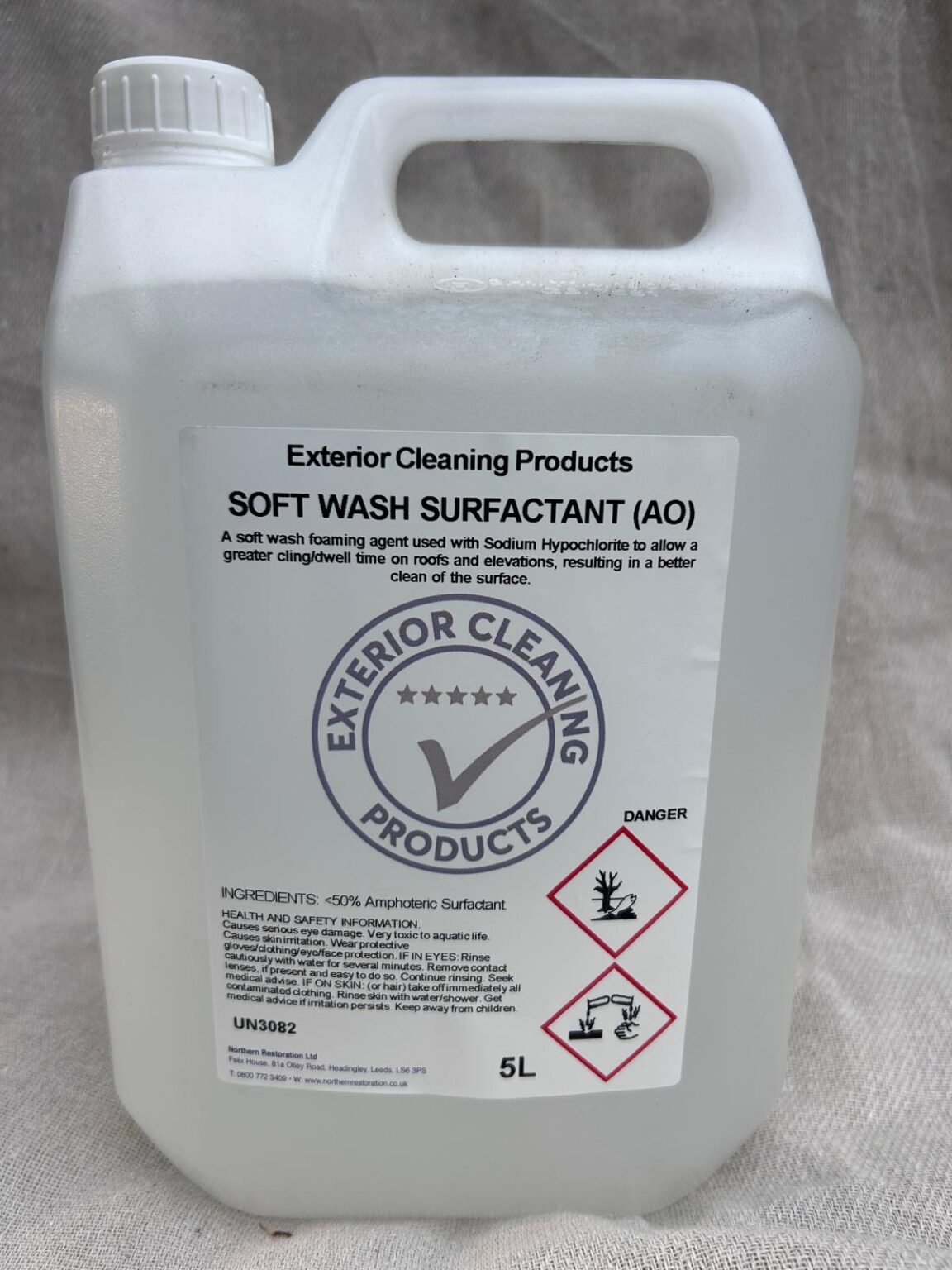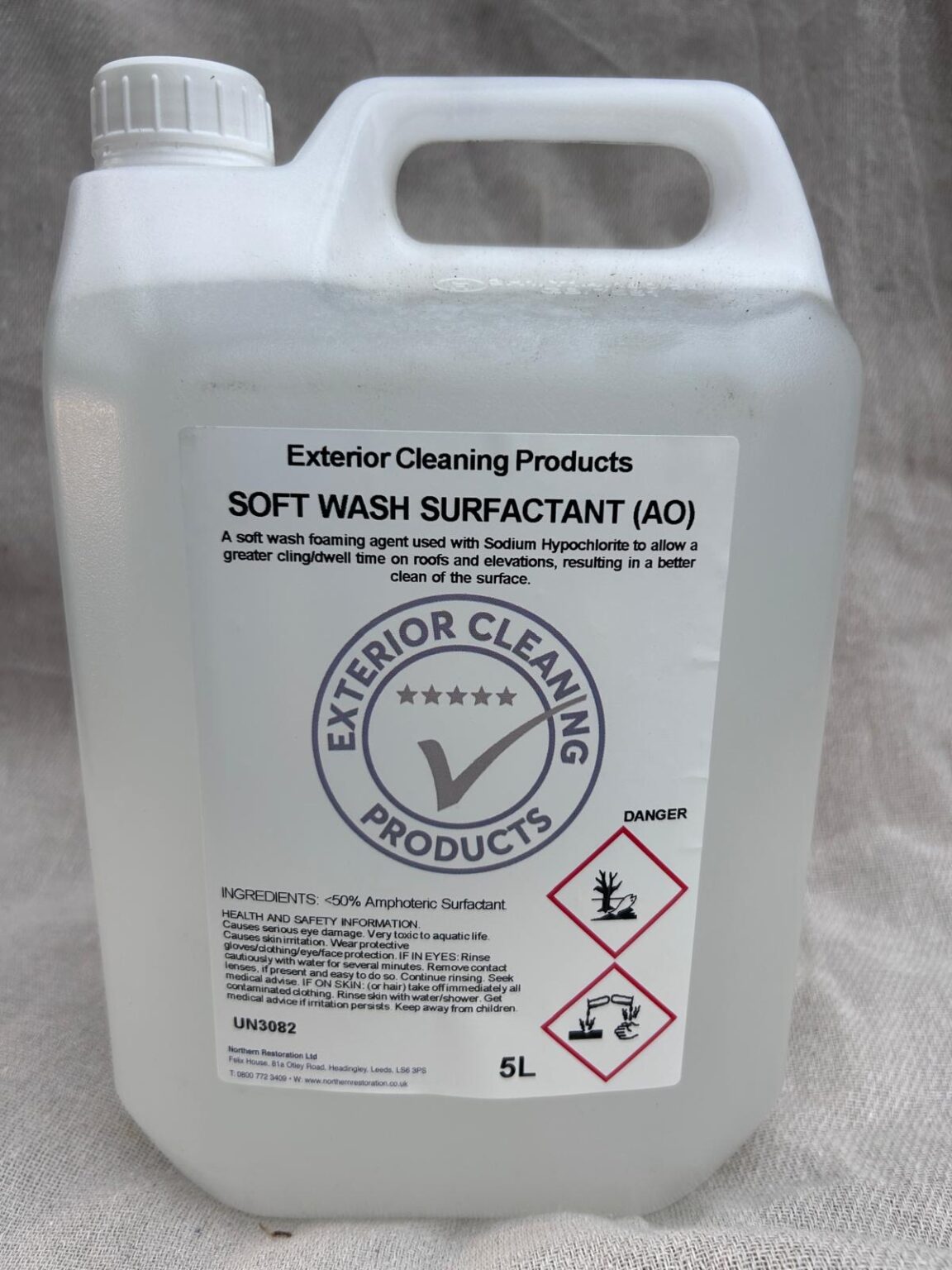
Soft wash surfactants are a cornerstone of modern exterior cleaning — they help low-pressure cleaning solutions cling to surfaces, break down dirt, and boost the effectiveness of milder biocides and detergents. But are they safe? Short answer: yes — when used correctly. Below you'll find a practical, plain-English guide to what soft wash surfactants are, their safety profile, how to use them safely, and why Exterior Cleaning Products Ltd's line makes this easy.
What is a soft wash surfactant?
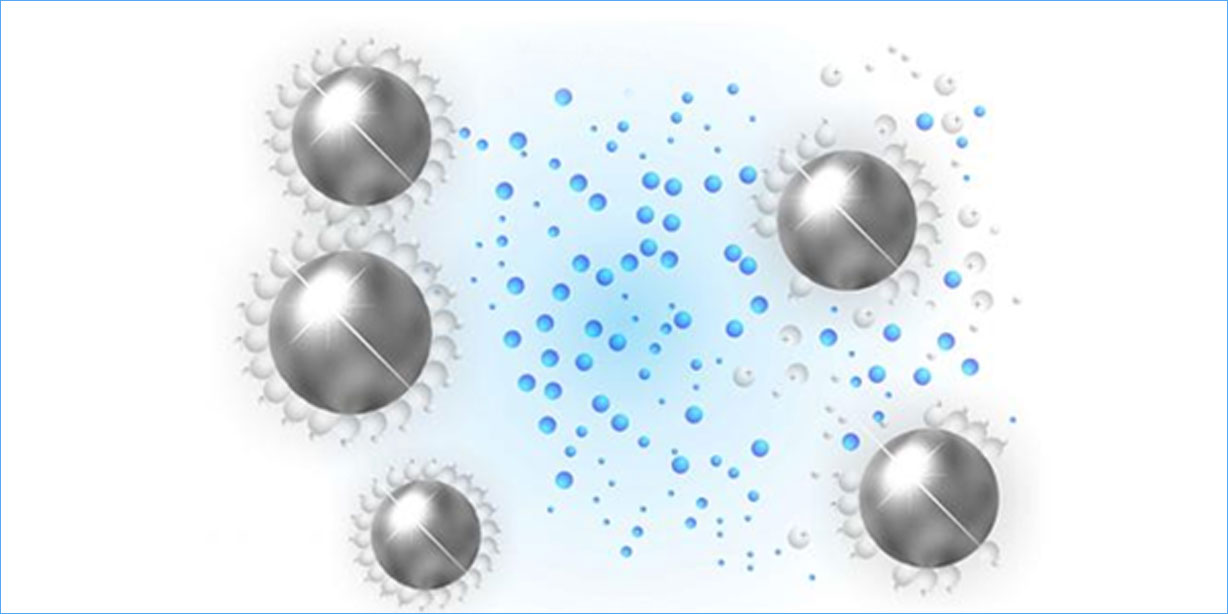
A soft wash surfactant is a chemical additive that lowers the surface tension of water, allowing cleaning solutions to spread and stick to vertical surfaces (siding, roofs, fences, masonry). That lets cleaning agents act for longer and more evenly at low pressure, avoiding the damage high-pressure washing can cause.
Safety basics — who/what to worry about
Surfactants vary by formulation. Most consumer and professional soft-wash surfactants are formulated to be effective but relatively low in acute toxicity. Still, safety considerations include:
• Skin & eye irritation: Direct contact can irritate skin or eyes. Gloves, goggles, and protective clothing minimise risk.
• Inhalation: Avoid mist or aerosolised sprays; use respirators or masks if mist is likely.
• Environmental impact: Some surfactants biodegrade quickly; others persist. Choose biodegradable, low-toxicity formulations and control runoff.
• Material compatibility: Strong chemicals can discolour or etch delicate materials. Test a small area first.
• Pets & plants: Keep animals and plants away during application and rinse affected vegetation if runoff occurs.
Exterior Cleaning Products Ltd formulates surfactants for professional use and provides safety data and dilution instructions to reduce these risks.
Best practices for safe use
Follow these practical steps every time you soft-wash:
1. Read the label & SDS: The product label and Safety Data Sheet contain the single best safety and first-aid guidance for that exact formulation.
2. Use PPE: Chemical-resistant gloves, goggles/face shield, long sleeves, and closed footwear. For strong mixes or enclosed areas, use an appropriate respirator.
3. Dilute correctly: More concentrated ≠ is better. Follow the manufacturer's dilution ratios for the surface and the problem (mildew, algae, grease). Exterior Cleaning Products Ltd provides clear dilution charts for everyday tasks.
4. Patch test: Spray a small, inconspicuous area and wait 24 hours to check for colour change, staining, or surface damage.
5. Control runoff: Avoid spraying near storm drains, ponds, or landscaping. Use containment, low-volume application, or absorbent barriers when necessary.
6. Rinse responsibly: If a rinse is required, capture or direct rinse water to vegetated areas where possible; avoid sensitive plants.
7. Store safely: Keep surfactants in original containers, tightly closed, away from heat and direct sunlight, and out of children's reach.
8. Dispose of as directed: Follow label/SDS guidance and local regulations for disposal of leftover product or containers.
Environmental considerations
Not all surfactants are environmentally equal. Look for:
• Biodegradability: Fast-biodegrading surfactants reduce persistence in waterways.
• Low aquatic toxicity: Formulations designed to be less harmful to fish/invertebrates.
• Concentrated formulas: Less packaging and transport impact per use when appropriately diluted.
Exterior Cleaning Products Ltd highlights biodegradable options across its professional ranges and guides to minimise environmental impact.
Special situations — roofs, historical surfaces, and sensitive landscaping
• Roof cleaning: Soft-wash is preferred over pressure washing to protect shingles. Use manufacturer-recommended mixes and, if needed, soft-bristle brushes.
• Historic or painted surfaces: Use the gentlest compelling mix; consult restoration professionals when in doubt.
• Near water/vegetation: Use physical barriers and choose the mildest practical chemistry. Rinse plants with fresh water promptly if they're accidentally exposed.
What to do in case of exposure
• Skin contact: Rinse with plenty of water; remove contaminated clothing. Seek medical attention if irritation persists.
• Eye contact: Rinse eyes for at least 15 minutes and seek immediate medical care.
• Ingestion: Do not induce vomiting; call emergency services or a poison control centre and follow their instructions.
The exact first-aid steps are in the product's SDS — keep it accessible during every job.
Why pick Exterior Cleaning Products Ltd?
Exterior Cleaning Products Ltd designs products for professional results, with user safety in mind. Their surfactant lines typically include:
• Clear dilution guides and surface-specific instructions.
• SDS and technical support for safe handling.
• Options formulated to enhance biodegradability and reduce aquatic toxicity.
• Professional-strength performance that reduces the need for aggressive pressure washing.
Conclusion
Soft wash surfactants are a safe, effective way to clean exterior surfaces when used responsibly. Read the label, wear PPE, follow dilution and runoff-control guidance, and choose biodegradable, low-toxicity formulations when possible. For dependable, professional-grade options and clear usage guidance, Exterior Cleaning Products Ltd offers surfactant products and technical support designed to maintain high results and safety.