Modern exterior cleaning demands a balance between powerful results and surface protection. While traditional pressure washing can remove dirt quickly, it often causes long-term damage to roofs, walls, and decorative finishes. This is why professional cleaners increasingly rely on soft wash surfactants—a more innovative, safer approach to exterior cleaning.
At Exterior Cleaning Products Ltd, we develop advanced cleaning solutions that prioritise effectiveness without compromising surface integrity. In this article, we explain how soft wash surfactant cleans thoroughly while protecting delicate exterior surfaces.
Understanding Soft Wash Surfactant
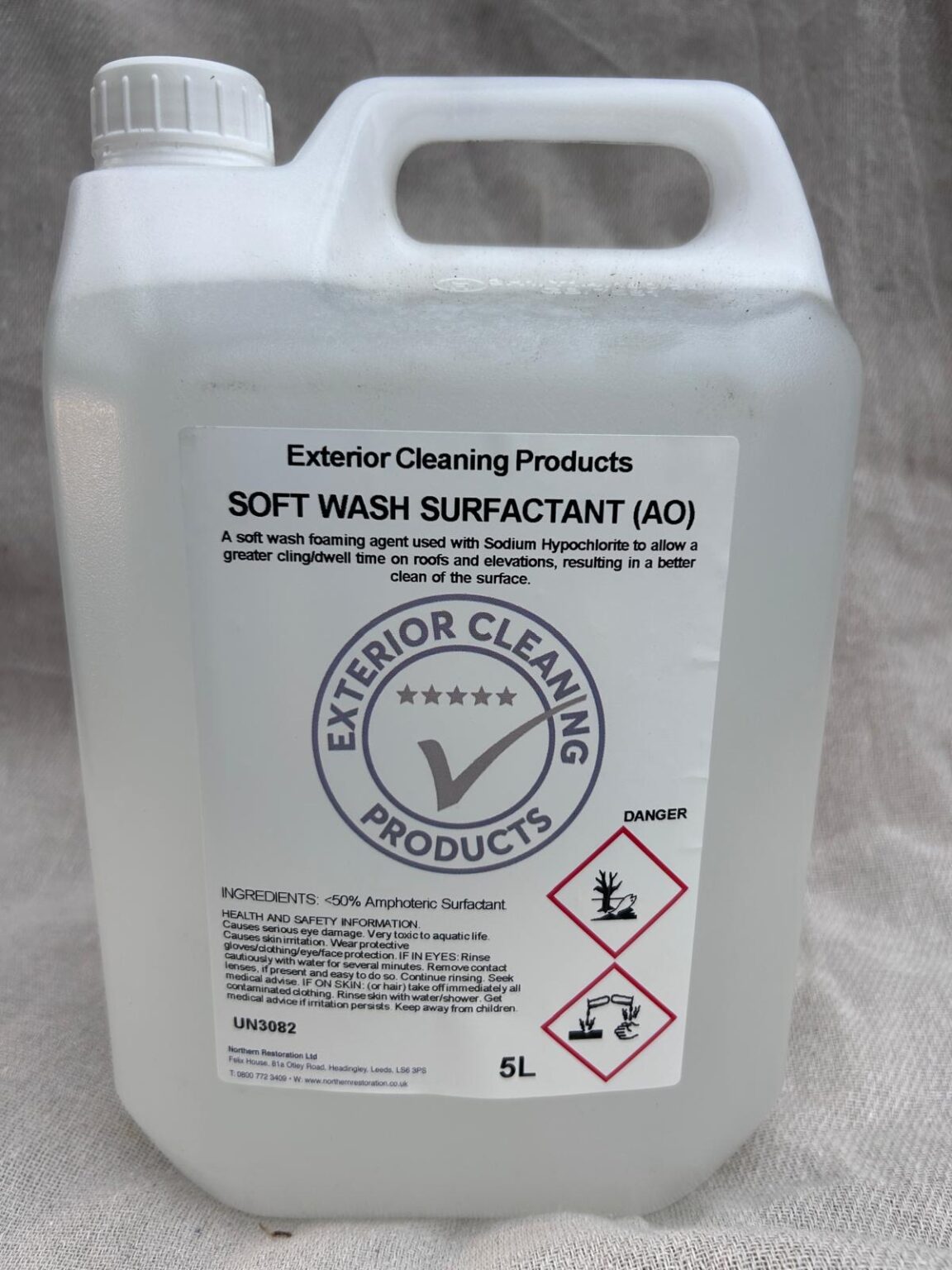
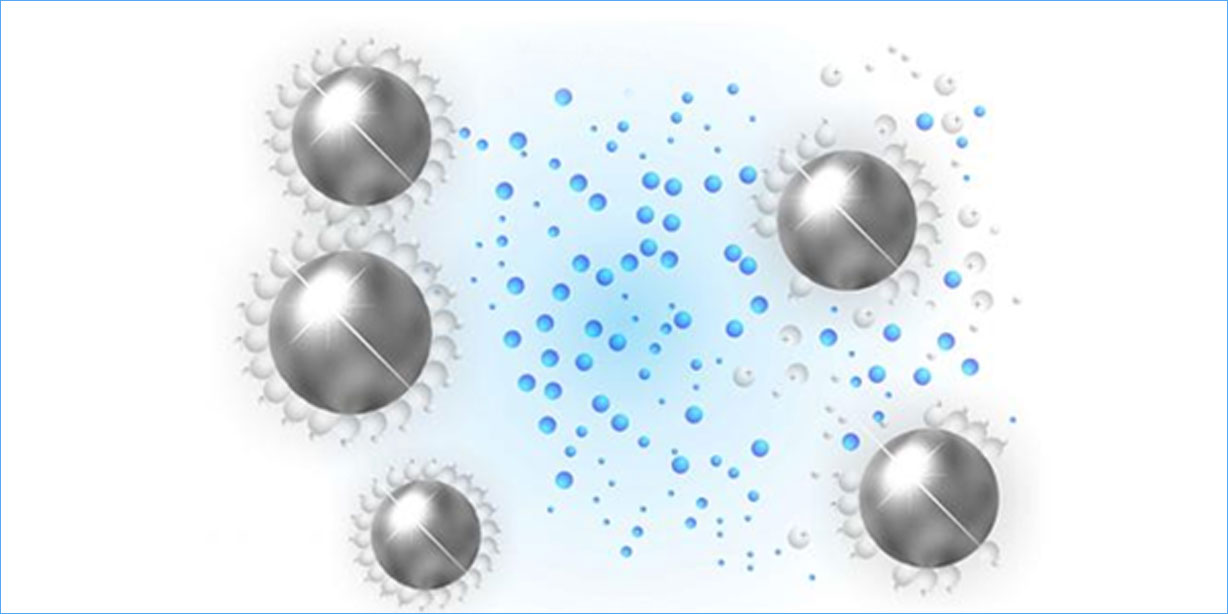
A soft wash surfactant is a specialised cleaning agent designed to reduce water’s surface tension. This allows cleaning solutions to spread evenly, cling to surfaces, and penetrate deep into dirt, algae, mould, and other contaminants.
Unlike traditional detergents, soft wash surfactants are explicitly engineered for low-pressure cleaning systems, making them ideal for sensitive exterior materials.
Why Pressure Washing Can Damage Surfaces
High-pressure water can be effective at removing surface dirt, but it often causes unintended harm. Common problems include:
• Etching of brick, stone, and concrete
• Cracking or loosening of mortar joints
• Damage to roof tiles and shingles
• Peeling paint and coatings
• Water intrusion behind surfaces
Soft-wash surfactants address these issues by relying on chemical action rather than force.
How Soft Wash Surfactant Cleans Gently Yet Effectively
1. Low-Pressure Application Protects Materials
Soft wash systems use minimal pressure—just enough to apply and rinse the solution. The surfactant enhances the cleaning solution so that high pressure is unnecessary.
This low-pressure approach protects:
• Brick and mortar
• Painted and rendered walls
• Roof tiles and shingles
• Decorative and heritage surfaces
2. Deep Penetration Without Abrasion
Soft-wash surfactants reduce surface tension, allowing the solution to penetrate deeply into porous materials. This helps dissolve dirt and organic buildup from within, rather than scrubbing or blasting them away.
By avoiding abrasion, surfaces remain intact and undamaged.
3. Extended Dwell Time for Chemical Action
One key feature of soft wash surfactant is its ability to help cleaning solutions cling to vertical and uneven surfaces. This extended dwell time allows active ingredients to work thoroughly on contaminants.
Longer contact time means:
• Better breakdown of algae and mould
• More uniform cleaning results
• Reduced need for repeated applications
Safe Removal of Organic Growth
Algae, moss, mildew, and lichen form protective biofilms that are difficult to remove with water alone. Soft-wash surfactants break down these biofilms, allowing cleaning agents to eliminate organic growth at the root.
This method:
• Prevents rapid regrowth
• Avoids physical scraping or force
• Preserves surface texture
Uniform Coverage Prevents Patchy Results
High-pressure washing often leads to uneven cleaning. Soft-wash surfactant ensures a consistent solution spread across the surface, preventing streaks or patchy areas.
Uniform coverage results in:
• Even appearance after cleaning
• Improved aesthetic appeal
• Professional-quality finish
Reduced Water Usage and Environmental Impact
Soft wash cleaning uses significantly less water than pressure washing. With the help of surfactants, cleaners can achieve superior results using controlled chemical application and gentle rinsing.
Benefits include:
• Lower water consumption
• Reduced runoff and overspray
• More environmentally responsible cleaning
Suitable for a Wide Range of Surfaces
Soft-wash surfactants are trusted by professionals for their versatility. It is safe and effective on:
• Exterior walls and façades
• Roofs and gutters
• Brick, stone, and concrete
• Painted and coated surfaces
This makes it ideal for residential, commercial, and industrial properties.
Best Practices to Avoid Surface Damage
Professional cleaners follow best practices when using soft wash surfactant to ensure surface safety:
1. Correct dilution for each surface type
2. Low-pressure application techniques
3. Proper dwell time without drying
4. Gentle rinsing to remove residues
5. Inspection before and after cleaning
These steps maximise cleaning power while protecting surfaces.
Why Quality Soft Wash Surfactant Matters
Not all surfactants are created equal. High-quality formulations provide:
• Strong wetting and penetration
• Controlled foaming
• Residue-free rinsing
• Consistent performance
Low-grade products may leave streaks, cause discolouration, or require excessive rinsing.
Why Choose Soft Wash Surfactant from Exterior Cleaning Products Ltd
At Exterior Cleaning Products Ltd, our soft wash surfactants are engineered for safe, professional-grade performance. Our products deliver:
• Excellent cleaning efficiency at low pressure
• Surface-safe chemistry for delicate materials
• Reliable results across multiple applications
• Compatibility with modern soft wash systems
We help cleaning professionals and property owners achieve cleaner exteriors without the risks of pressure damage.
Final Thoughts
Soft wash surfactant has transformed exterior cleaning by offering a method that cleans deeply without harming surfaces. Through low-pressure application, deep penetration, and extended dwell time, it delivers powerful results while preserving the integrity of exterior materials.
For anyone seeking safe, effective, and long-lasting exterior cleaning, soft wash surfactant from Exterior Cleaning Products Ltd is the innovative solution—protecting surfaces while restoring their natural beauty.