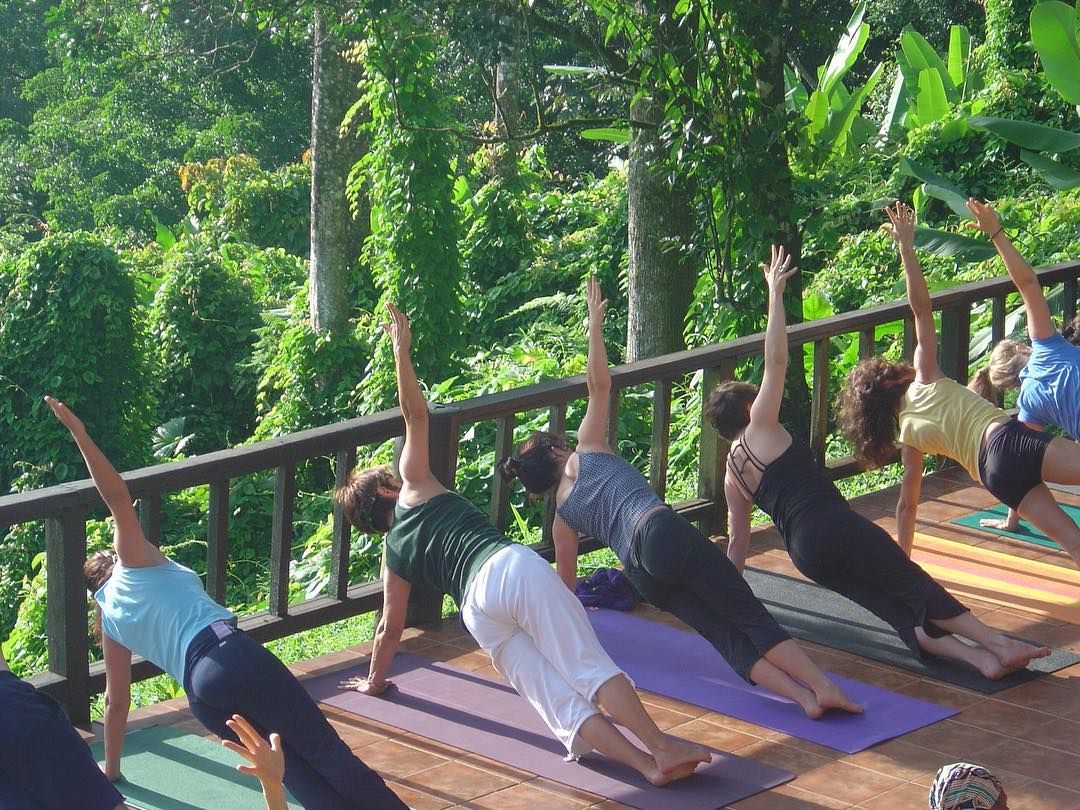
Modern life moves fast — deadlines, digital overload, constant comparison, and pressure to stay productive have become part of everyday reality. As a result, stress, anxiety, and emotional fatigue are affecting more people than ever. In the midst of this overwhelming pace, many are turning toward yoga not just as a form of exercise, but as a powerful mental health support system.
Yoga offers stillness in a chaotic world. It teaches presence, grounding, and emotional resilience. And for those who want to experience these benefits on a deeper level, a 200 hour yoga teacher training has become one of the most transformative paths. Rather than simply learning how to teach yoga, students embark on a journey of inner healing, self-awareness, and mental clarity.
Key Takeaways
- Yoga is increasingly recognized for its ability to reduce stress, regulate emotions, and improve overall mental well-being.
- A 200 hour yoga teacher training supports deep emotional healing through breathwork, mindfulness, and trauma-informed practices.
- Training builds inner strength while also fostering community, confidence, and self-discovery.
- Modern programs blend yoga philosophy, neuroscience, and psychology for enhanced mental wellness.
- Graduates gain both personal transformation and career opportunities in the growing wellness industry.
Why Mental Health and Yoga Are Deeply Connected
Most people initially try yoga for fitness. But as they continue, they notice something deeper — the mind feels lighter, calmer, and more grounded.
This mind–body connection happens because yoga:
- Reduces cortisol and stress hormones
- Stimulates the parasympathetic (relaxation) nervous system
- Enhances emotional regulation
- Improves sleep and energy
- Encourages self-awareness and acceptance
- Yoga creates the inner space people struggle to find in daily life.
A 200 hour yoga teacher training expands this transformation. It takes the student through spiritual and psychological layers that a regular class cannot reach — guiding them toward long-term emotional balance.
How 200 Hour Yoga Teacher Training Supports Mental Well-Being
A well-structured YTT program nurtures the nervous system, rewires stress responses, and deepens self-connection on multiple levels.
Breathwork for Emotional Regulation
Through pranayama, students learn how breathing directly influences the brain, heart rate, and emotions — and how to use it in moments of anxiety or overwhelm.
Meditation and Mindfulness
YTT teaches accessible meditation techniques that help manage racing thoughts and cultivate inner peace, without feeling forced or abstract.
Emotional Release Through Asana
Certain postures and long holds release tension stored in the hips, chest, throat, and fascia — areas known to hold suppressed emotions and stress.
Yoga Philosophy for a Balanced Life
Teachings like self-compassion, detachment, presence, and non-judgment offer practical life tools for navigating emotional challenges with less resistance.
Safe and Supportive Community
YTT provides a nurturing environment where participants feel seen, heard, and supported — something many are missing in their everyday lives.
This combination is why people often describe yoga teacher training as life-changing even when their initial intention wasn’t to teach.
Who Can Benefit the Most From 200 Hour Training?
The beauty of teacher training is that it isn’t limited to aspiring instructors. It supports anyone craving emotional grounding and inner transformation.
You may be an ideal fit if you:
- Experience stress, anxiety, or burnout
- Seek deeper clarity, purpose, or inner alignment
- Want a stronger mind–body connection
- Desire a consistent and meaningful yoga practice
- Feel called to personal healing or spiritual growth
Many join the course at one of the most confusing or transitional points in their lives — and find empowerment and direction through the journey.
How to Choose a Training That Truly Supports Mental Health
Not all teacher training programs emphasize emotional well-being. To make the right choice, look for:
✔ Mentors with experience in trauma-informed or mindful teaching
✔ Balanced curriculum across asana, philosophy, breathwork, and meditation
✔ A compassionate and inclusive environment
✔ Smaller groups to encourage sharing and support
✔ Opportunities for practice teaching and personal reflection
✔ A peaceful location that promotes grounding and rest
For institutions designing YTT programs, integrating the following can make mental health support even stronger:
- Yoga Nidra
- Somatic awareness and nervous system regulation
- Yin and restorative practices
- Journaling and emotional processing workshops
- Post-YTT mentorship
A training built around both structure and emotional safety supports lasting personal transformation.
How to Get the Most Mental Health Benefits During Training
A teacher training program can be deeply therapeutic — but the student’s approach matters too. These strategies help maximize growth:
Set an intention early
Know what you want to release, build, or discover — intention fuels transformation.
Stay open and honest with yourself
Feelings may surface; allow them to. Growth requires emotional movement.
Build a routine, not perfection
Consistency — not intensity — leads to healing.
Lean on the community
Sharing, listening, and connecting multiply the benefits of the experience.
Continue beyond the certificate
Breathwork and mindfulness are lifelong tools — use them daily, not just during training.
Frequently Asked Questions
1. Is 200 hour yoga teacher training suitable for someone struggling with stress or anxiety?
Yes. Many people join training specifically to find emotional balance. Breathwork, meditation, mindful movement, and community support all reduce stress and anxiety.
2. Do I have to be very experienced in yoga before joining the training?
No. A basic practice and openness to learning are enough. The training is designed to build understanding step by step.
3. Do I need to want to become a yoga teacher to join?
Not at all. Many participants enroll for personal growth, mental healing, or deepening their practice rather than teaching professionally.
4. What yoga styles help mental health the most during YTT?
Yin Yoga, restorative yoga, meditation, pranayama, Yoga Nidra, and slow mindful Vinyasa are especially soothing for the nervous system.
5. How can I maintain the benefits after the training ends?
Continue grounding practices — even 10 minutes a day of breathwork or meditation can sustain emotional balance long after the course.
A Training That Nurtures Personal Healing and Purpose
If you're craving emotional clarity, inner strength, and a deeper connection to yourself, a 200 hour yoga teacher training can be the life-transforming experience your mind and heart have been waiting for. It provides powerful tools for stress relief, mental resilience, and conscious living — while opening the door to meaningful teaching opportunities if you choose that path in the future.
Salty Prana offers a heart-centered, supportive, and deeply mindful yoga teacher training experience designed to nourish the mind, body, and spirit. With compassionate guidance, a peaceful environment, and a community built on authenticity and care, Salty Prana helps every student step into emotional balance and inner empowerment — both on the mat and beyond.
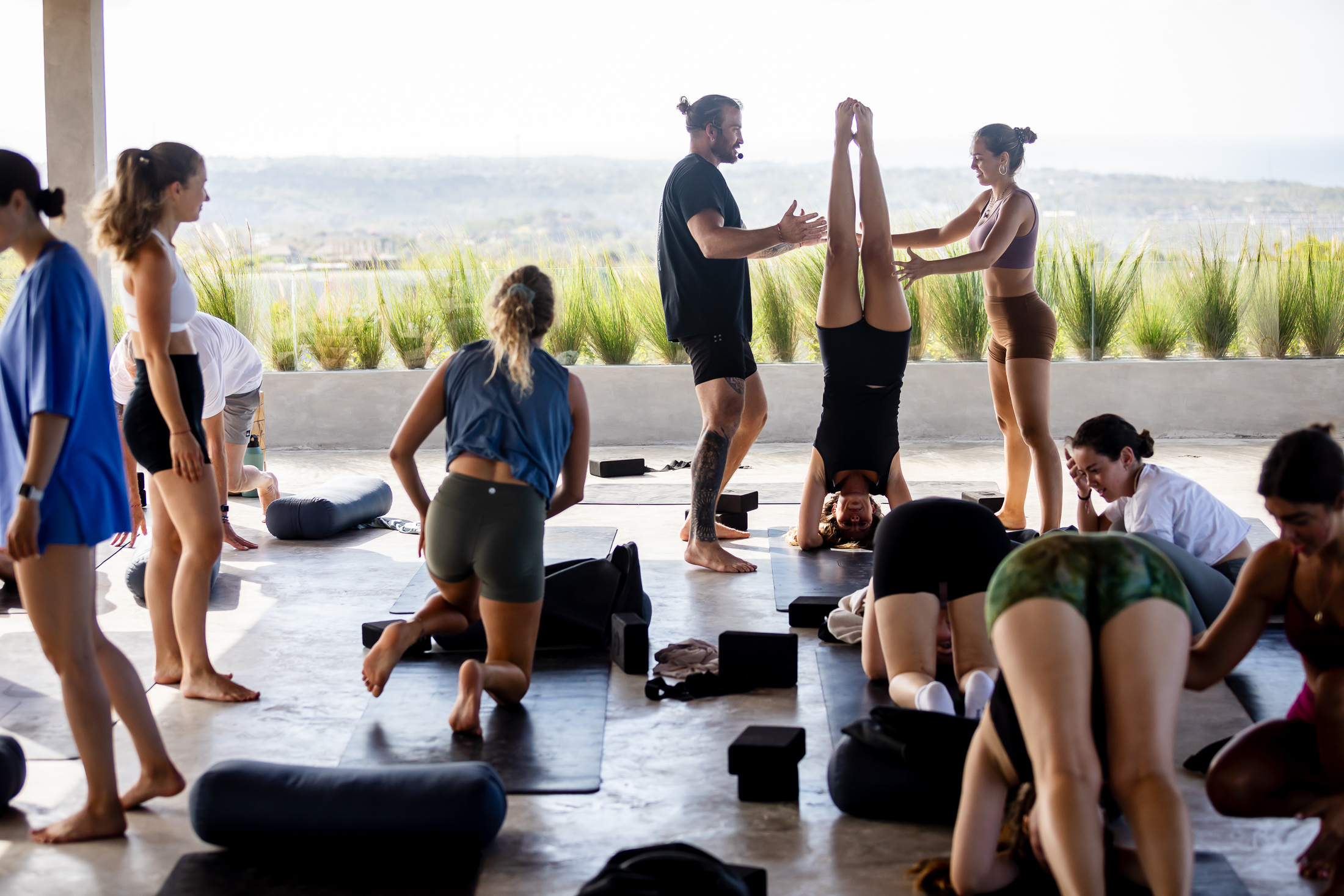


The second wave of Corona virus negatively affected general health of people, particularly for the patients who were infected.
Even after recovery from the infection, very few are able to get back on their previous health state due to the lazy lifestyle.
Below are three Yoga asanas which are effective in speedy recovery of your health.Staff Pose- This basic asana has numerous advantages for the body.
It extends the shoulders and chest, reinforces the back muscles, and improves postureProcedure-• Sit on the floor with your legs stretched out towards the front.
The sacrum and the shoulder bones should contact the wall, yet lower back and the rear of the head must not.• Sit on the front of the sitting bones so the pubis and tailbone are equidistant from the floor.
Firm the thighs, press them down against the floor, without solidifying the stomach, flex your lower legs and feet.• Visualise your spine as the "staff" — the upward center of your mid body established in the ground, hold the posture briefly.Cat and Cow PoseThis asana consolidates the Cat pose (Marjaryasana) and Cow pose (Bitilasana) to tenderly stretch the body and warm it up to mitigate pressure and massage the spine and stomach organs.• Start on all four of your hands with your wrists under your shoulders, and knees under the hips.