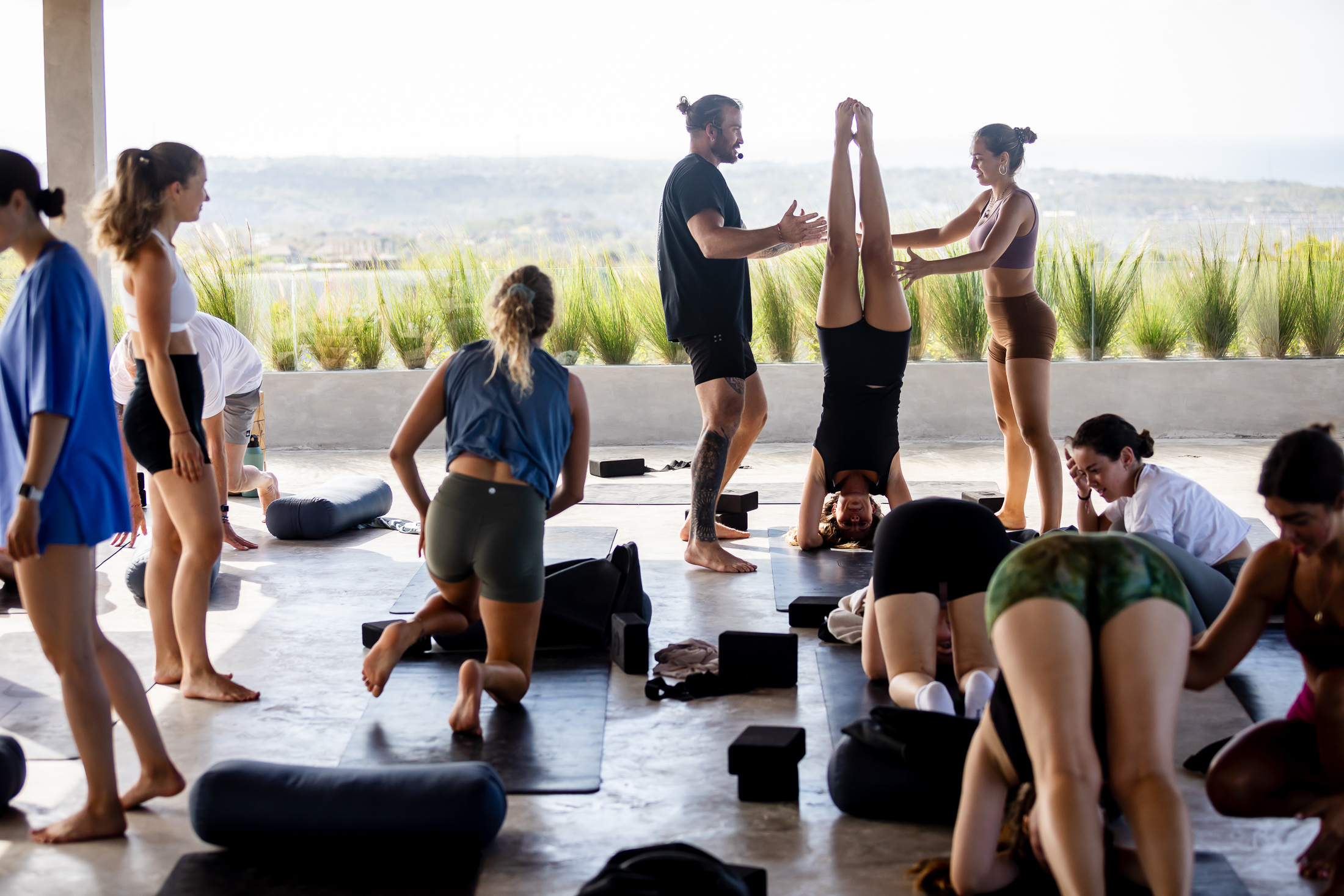
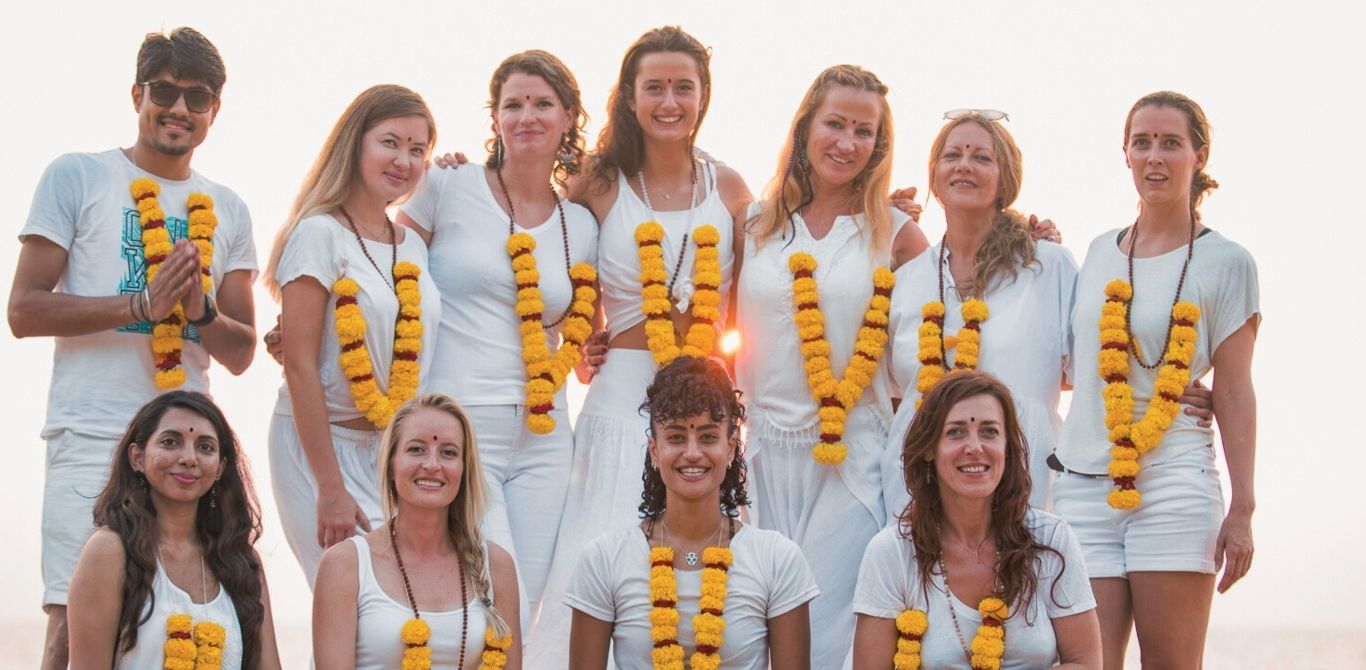
In 2025, more yoga practitioners around the world are seeking deeper, slower, and more introspective practices — and Yin Yoga stands at the center of this shift. Unlike vigorous, fast-paced yoga styles, Yin invites stillness, patience, and surrender. A 50hr Yin Yoga training Bali offers a powerful opportunity to explore the subtler layers of the body and mind while learning to guide others on their own inner journey. But to fully benefit from this immersive experience, preparation is essential — not only physically but mentally, emotionally, and energetically.
Whether you’re already teaching yoga or just starting to expand your practice, the journey toward Yin Yoga certification begins before you step into the training space. Knowing what to expect and how to prepare helps you feel grounded, confident, and receptive to transformation.
Key Takeaways
- Learn how to prepare mentally and physically for a 50hr Yin Yoga training Bali
- Understand the inner challenges and benefits of Yin Yoga immersion
- Discover effective tools, routines, and habits to support balanced learning
- Explore guidance that helps you integrate Yin Yoga beyond the classroom
Why Preparation Matters Before a Yin Yoga Training
Yin Yoga requires patience, body awareness, and the ability to sit with stillness — qualities that are not always easy in today’s fast-paced world. A 50hr Yin Yoga training Bali is immersive and transformative, but it can also bring up challenges such as emotional release, physical discomfort, and mental resistance. Preparing ahead of time helps reduce overwhelm and supports a smoother, more enriching experience.
Unlike traditional yoga trainings that focus mainly on physical strength and sequencing, Yin focuses on:
- Holding postures for long durations
- Deep tissue and fascia release
- Energetic pathways (meridians)
- Meditation, pranayama, and introspection
Because of the depth of the practice, students benefit from cultivating inner readiness before the training begins.
Mental Preparation for Yin Yoga Training
Yin practice teaches us to slow down — something many students find surprisingly difficult. The mental preparation required is just as important as the physical.
1. Strengthen Your Ability to Sit with Stillness
Start incorporating 5–10 minutes of silent seated meditation each day. Focus on your breath, without forcing anything. The goal isn’t to stop thinking — it’s to practice staying present despite the mind’s activity.
2. Set Intentions Instead of Expectations
Entering the training with rigid expectations can create resistance. Write down an intention, such as:
- “I am open to whatever arises.”
- “I trust the process.”
- “I am ready to grow.”
This helps create an internal environment that supports transformation.
3. Build Emotional Awareness
Yin has a reputation for unlocking stored emotions. Journaling before bed, noting your thoughts and feelings, is a great way to start building emotional intelligence and resilience.
Physical Preparation That Supports Your Body
Unlike dynamic yoga, Yin does not require extreme strength or flexibility. Instead, it involves long holds that target fascia, ligaments, joints, and energy pathways. Preparing your body helps reduce unnecessary discomfort during the training.
1. Practice Long Hold Shapes
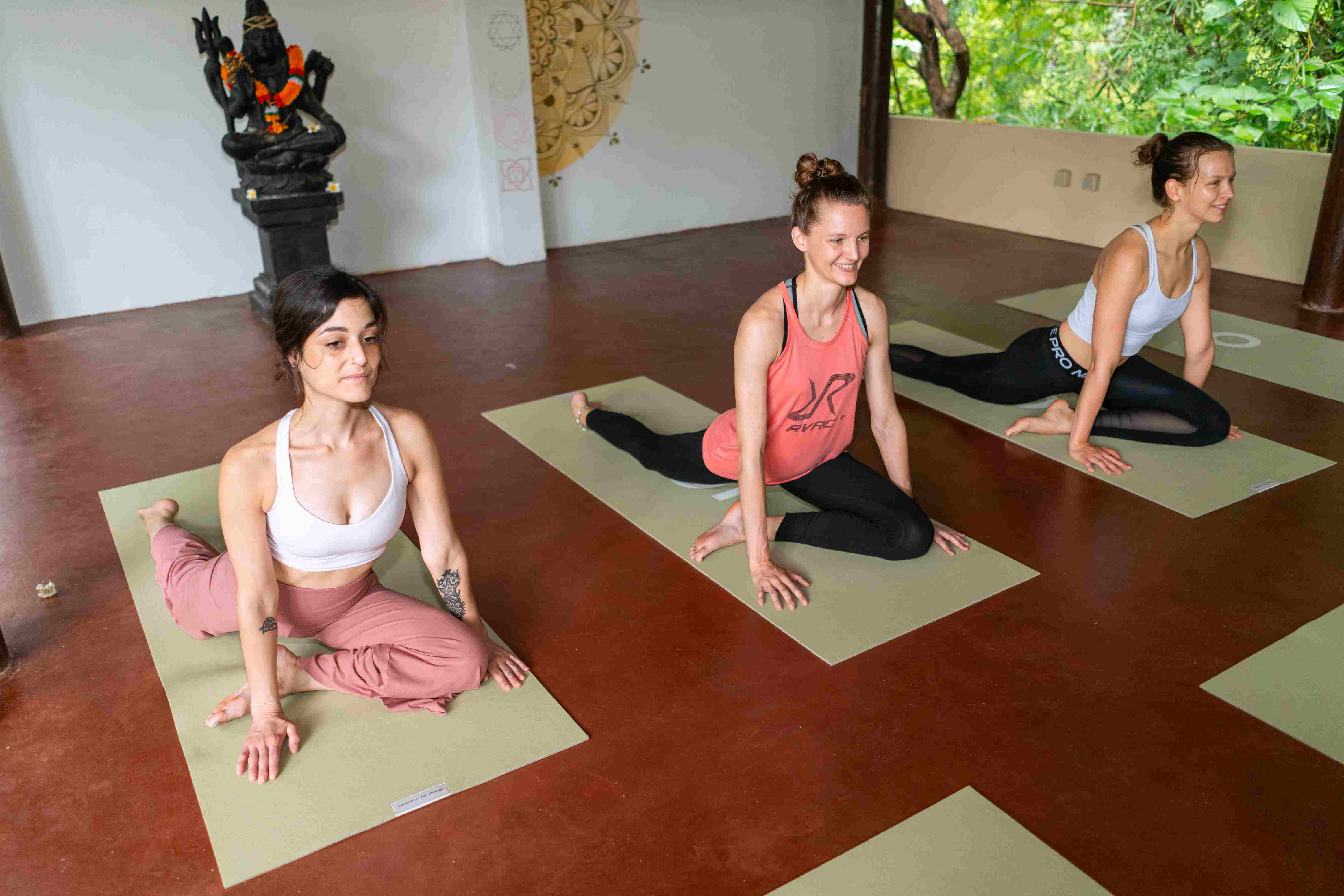
Begin by holding gentle Yin poses such as Butterfly, Sphinx, and Dragon for 3 minutes each. Focus on finding your “edge” — that point of sensation without pain — and relaxing into it.
2. Strengthen Your Back and Core
Holding passive shapes requires support from stabilizing muscles. Incorporate:
- Cat-Cow
- Low cobra
- Plank (30 seconds daily)
- Gentle twists
This builds stamina for long seated or reclined holds.
3. Hydrate and Nourish Fascia
Healthy fascia responds better to Yin practice. Drink enough water, include omega-3-rich foods (chia, walnuts, flax), and add gentle rolling or massage if needed.
Lifestyle Preparation for an Immersive Training Environment
A 50-hour training is short, but deeply concentrated. To absorb the curriculum with ease, start preparing your lifestyle beforehand.
1. Reduce Overstimulation
Limit late-night screen time, heavy social media use, or multitasking. Yin is about slowing down — begin that shift gradually.
2. Create a Consistent Sleep Routine
Aim for 7–8 hours daily. Adequate rest supports both physical recovery and emotional balance during training.
3. Lighten Your Physical Workload
Arrive at the training without burnout. Overtraining or intense yoga right before the program may lead to fatigue.
Study Preparation: Getting Familiar Before You Arrive
You don’t need advanced knowledge, but familiarizing yourself with core Yin concepts makes learning more enjoyable.
Suggested areas to explore:
- Meridians & Chinese Medicine theory
- Myofascial trains
- Mindfulness & meditation basics
- Rebound phase and tissue response
Watching preparatory videos or reading introductory books can help you feel more confident during lectures and discussions.
How to Maximize Your Experience During the Training
Once the training begins, small habits can make a big difference.
- Come with curiosity, not comparison
- Ask questions — learning thrives in conversation
- Take notes and revisit them during breaks
- Support your nervous system with deep breathing
- Allow emotions without judgment
Remember, Yin Yoga is not about pushing harder — it’s about softening, receiving, and listening.
FAQs About Preparing for a Yin Yoga Training
1. Do I need to be flexible for a Yin Yoga training?
No. Yin is not about extreme flexibility but about finding your personal edge with patience and mindfulness. Props and modifications are always part of the experience.
2. Is 50 hours enough to begin teaching Yin Yoga?
A 50-hour foundation is widely recognized and gives you the core tools to begin teaching safely and confidently. Many students later pair it with continued practice or additional trainings.
3. Will the training be physically intense?
The intensity is more emotional and energetic than muscular. Holding shapes can feel challenging, but the goal is to relax deeply — not use force.
4. Should I practice Yin every day before the training?
Not necessary. Practicing 3–4 times per week is ideal for developing comfort with stillness and long holds without overwhelming your tissues.
5. What should I bring to the training?
Comfortable yoga clothing, a journal, reusable water bottle, a curious mind, and an open heart are more important than having advanced gear.
Step Into Your Yin Journey with Confidence
Preparing yourself mentally and physically creates a strong foundation for a meaningful and empowering experience during a 50hr Yin Yoga training Bali. When you approach the program with intention, emotional readiness, and mindful presence, the transformation becomes deeper and more sustainable — not just during the training but long after you return home.
If you’re ready for a Yin Yoga training that blends knowledge, compassion, embodiment, and spiritual depth, Salty Prana offers a nurturing and supportive learning space in Bali where inner growth and community connection flourish naturally. This is your invitation to slow down, listen within, and evolve into the most grounded version of yourself.