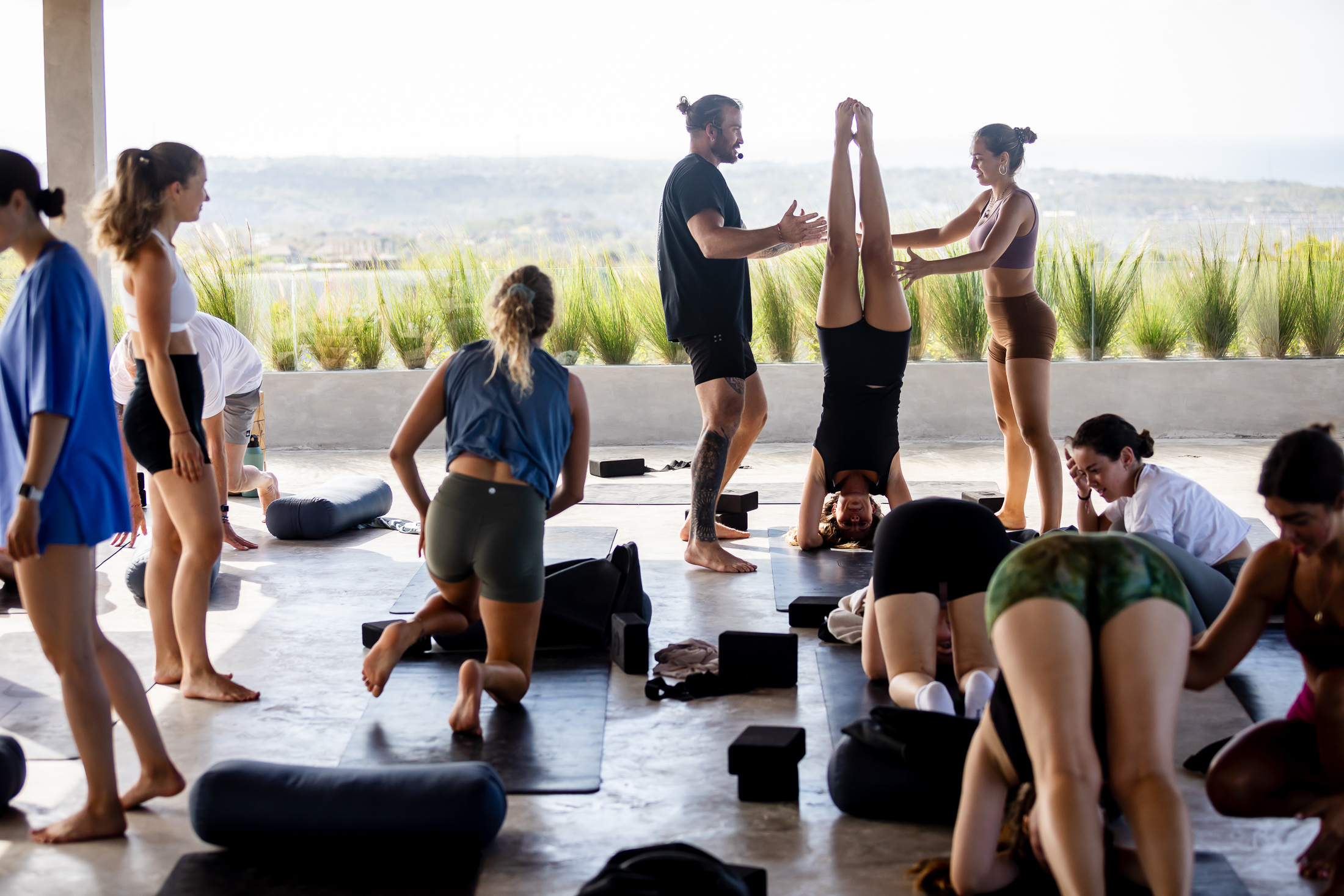
Yoga education is evolving rapidly, and 2026 marks a defining moment for advanced teacher training. As the wellness industry shifts toward nervous system awareness, embodied teaching, and sustainable careers, many certified teachers are realizing that foundational knowledge is no longer enough. Students today expect depth, safety, and authenticity from their teachers—and that requires continued education.
This is where an advanced training pathway becomes essential. Completing a 300 hr YTT is no longer just about adding hours to your certification. It’s about refining your voice, expanding your skill set, and aligning your teaching with the realities of modern yoga students. Whether you teach full-time or aspire to, this level of training supports both professional credibility and personal growth.
Key Takeaways
- Understand why advanced yoga education is increasingly important in 2026
- Explore the professional, personal, and practical benefits of a 300-hour training
- Learn how advanced training supports safer, more inclusive teaching
- Discover what to look for in a high-quality advanced YTT program
- Gain clarity on whether this next step aligns with your teaching goals
Why Advanced Yoga Training Matters More Than Ever
The yoga industry has matured. Students are more informed, more diverse, and more aware of their bodies than ever before. They seek teachers who can adapt practices, explain the “why” behind the “how,” and create environments that feel safe and inclusive.
At the same time, yoga teachers are navigating burnout, oversaturation, and inconsistent income. Advanced education addresses these challenges by helping teachers specialize, differentiate, and teach more sustainably. In this landscape, continuing education is no longer optional—it’s strategic.
A 300 hr YTT bridges the gap between foundational certification and true mastery, offering depth that supports long-term success.
1. Deeper Understanding of the Body and Movement
One of the most significant benefits of advanced training is a more nuanced understanding of anatomy, biomechanics, and functional movement.
Rather than memorizing muscles or cues, teachers learn how bodies actually move in real life. This reduces injury risk, improves class quality, and builds confidence when working with diverse students.
Teachers trained at this level can adapt postures intelligently rather than relying on rigid alignment rules.
2. Refinement of Your Teaching Voice
Many teachers complete their 200-hour training feeling technically prepared but unsure of their unique voice. Advanced training creates space for exploration, reflection, and refinement.
Through practice teaching, feedback, and self-inquiry, teachers learn how to communicate authentically rather than imitate others. This clarity makes classes more engaging and helps teachers stand out in a crowded market.
3. Ability to Teach More Inclusively
Inclusivity is no longer a trend—it’s an expectation. Advanced training equips teachers with tools to support students of varying abilities, ages, and backgrounds.
This includes working with injuries, chronic stress, limited mobility, or emotional sensitivity. Teachers learn to offer meaningful options without singling students out, creating a more welcoming environment for everyone.
4. Nervous System Awareness and Emotional Intelligence
In 2026, nervous system education has become central to effective yoga teaching. Advanced training often explores how stress, trauma, and emotional states affect movement and breath.
Teachers learn how to pace classes, use language mindfully, and recognize signs of overwhelm. This skill set supports not only students’ well-being, but also the teacher’s own resilience.
5. Expanded Career Opportunities
A 300 hr YTT opens doors beyond general studio classes. Graduates often move into specialized areas such as:
- Advanced sequencing and workshops
- Retreat facilitation
- Corporate wellness
- Teacher mentorship
- Private or therapeutic-style sessions
Advanced certification signals professionalism and commitment, making it easier to collaborate with studios, wellness centers, and international programs.
6. Stronger Sequencing and Class Design Skills
Advanced training goes far beyond “peak pose” sequencing. Teachers learn how to build intelligent, purposeful classes that support energy management, theme integration, and long-term student progress.
This leads to classes that feel cohesive, intentional, and memorable—qualities that keep students returning.
7. Sustainable Teaching Practices
Burnout is common among yoga teachers, especially those juggling multiple roles. Advanced training emphasizes sustainability—not just for students, but for teachers themselves.
This includes learning how to pace teaching schedules, protect your voice and body, and create boundaries around work. Sustainable teachers last longer and serve their communities more effectively.
8. Personal Growth Beyond the Mat
While professional development is a key motivator, many teachers find the personal transformation equally powerful. Advanced training often involves deeper self-inquiry, reflection, and integration.
Teachers gain clarity around values, purpose, and direction—both in teaching and in life. This internal alignment naturally translates into more grounded, confident leadership.
9. Alignment with Modern Yoga Values
Yoga in 2026 emphasizes awareness over performance, presence over perfection, and connection over competition. Advanced training aligns teachers with these values, helping them stay relevant and respected in a changing industry.
Rather than teaching from outdated frameworks, graduates are prepared to meet students where they are today.
Challenges to Consider Before Enrolling
Advanced training requires commitment—of time, energy, and resources. It can be emotionally and physically demanding, especially when balancing work or family responsibilities.
Choosing the right program is essential. A poorly structured training can feel overwhelming or misaligned with your goals. This is why research, clarity, and intention matter before enrolling.
Best Practices for Choosing the Right Advanced Training
For teachers and institutions alike, quality matters more than ever.
Look for programs that:
Emphasize experiential learning, not just theory
Include supervised teaching practice
Address nervous system awareness and inclusivity
Offer mentorship or post-training support
Align with modern wellness values
Institutions that invest in thoughtful curriculum design and skilled facilitators create better outcomes for both teachers and students.
Frequently Asked Questions
Is a 300-hour training necessary to teach yoga?
It’s not mandatory, but it significantly enhances skill, credibility, and confidence—especially for long-term teaching careers.
How is a 300-hour program different from a 200-hour?
A 200-hour training builds foundations, while advanced training deepens application, adaptability, and specialization.
Can I complete a 300-hour training years after my initial certification?
Yes. Many teachers wait until they have real teaching experience, which often enriches the learning process.
Is advanced training suitable if I don’t want to teach full-time?
Absolutely. Many participants enroll for personal growth, depth of practice, or part-time teaching goals.
What trends are shaping advanced yoga education in 2026?
Somatic movement, nervous system education, inclusivity, and sustainability are key influences.
Take the Next Step in Your Teaching Journey
Advanced education is not about proving expertise—it’s about evolving with integrity. As yoga continues to change, teachers who commit to depth, awareness, and lifelong learning will lead the way forward.
If you’re seeking an advanced training experience that reflects modern values while honoring yoga’s roots, programs like those offered by Salty Prana exemplify thoughtful curriculum design, embodied learning, and leadership in contemporary yoga education—supporting teachers who are ready to grow with purpose in 2026 and beyond.