Time-telling devices have been essential companions throughout human history, evolving from simple sundials to sophisticated digital displays. When someone asks how many numbers are on a clock, the answer might seem straightforward, but it actually depends on various designs, cultural preferences, and artistic interpretations. Understanding the different clock styles helps us appreciate both the functionality and aesthetic diversity of these timekeeping instruments.
The Traditional 12-Number Clock Face
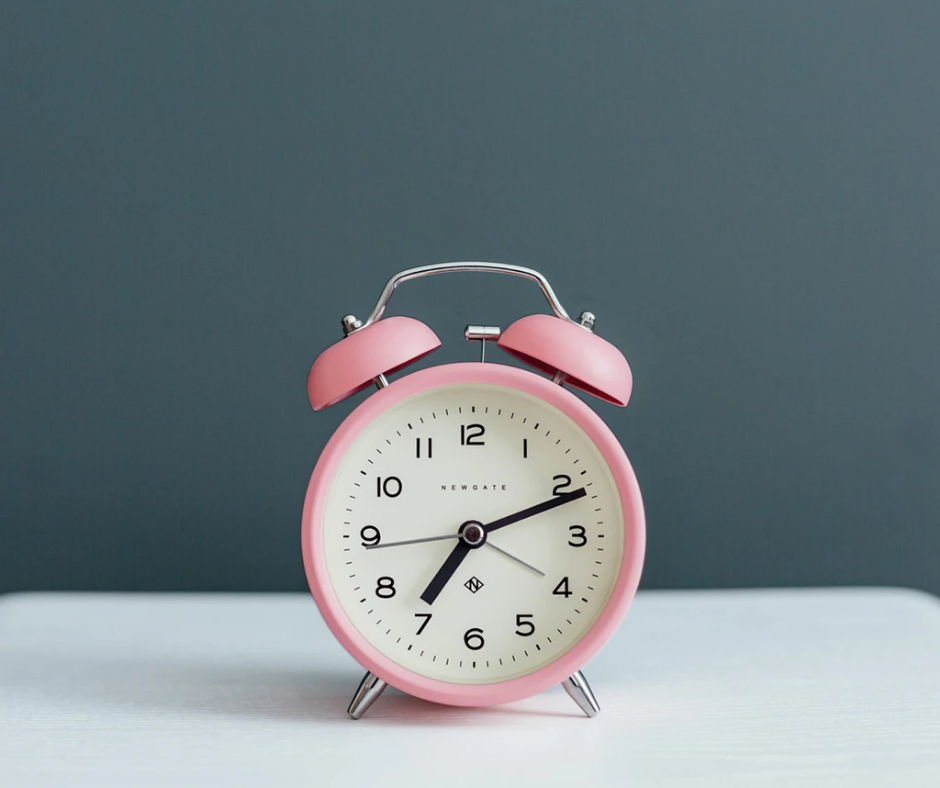
The most common clock design features twelve numbers arranged in a circular pattern, representing the hours from 1 to 12. This classic format has remained popular for centuries because it provides clear, easy-to-read time indication for users of all ages. The twelve-hour system divides the day into two equal periods, with the clock face cycling twice every 24 hours.
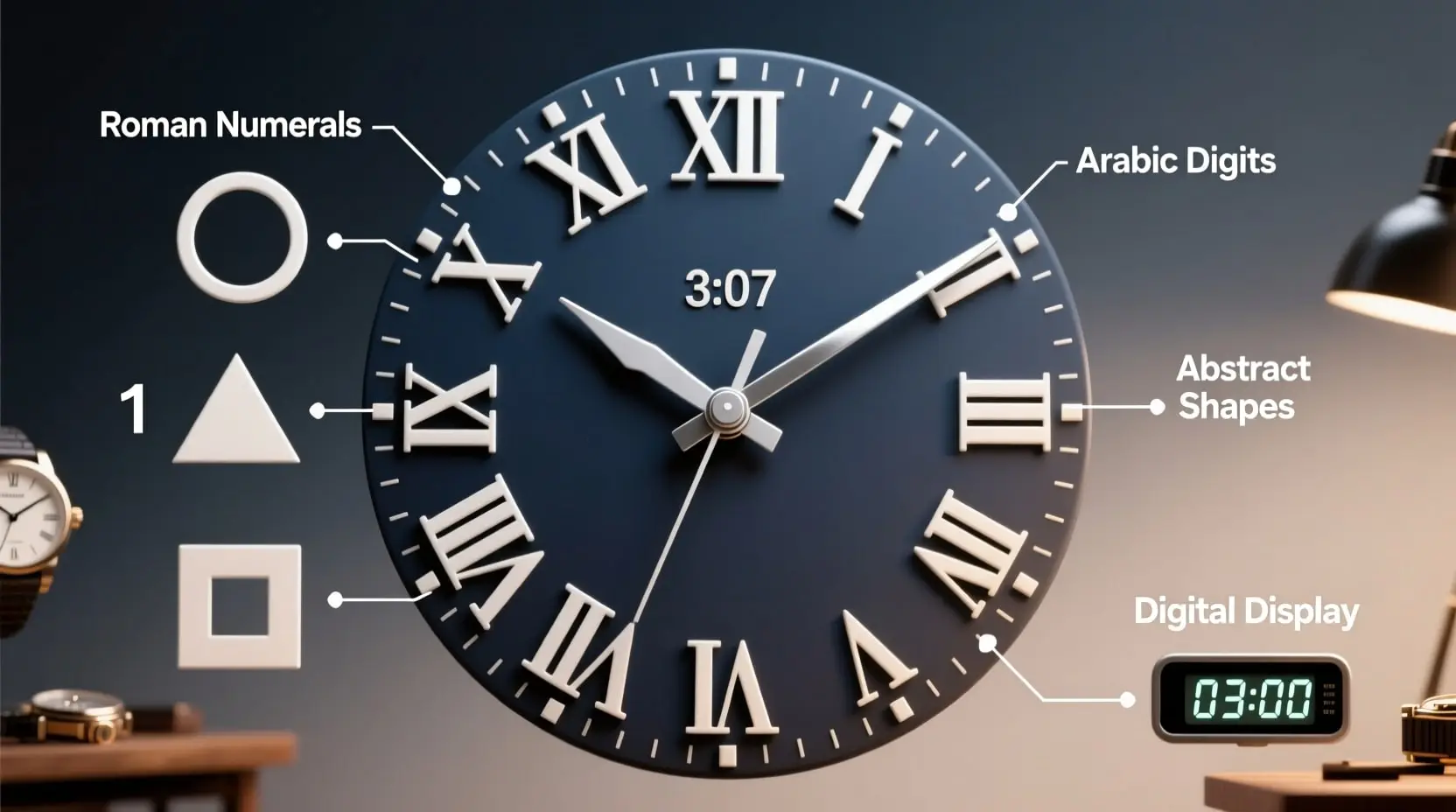
Traditional analog clocks display these numbers using either Arabic numerals (1, 2, 3) or Roman numerals (I, II, III). Both styles serve the same purpose but offer different aesthetic appeals. Arabic numerals provide modern simplicity, while Roman numerals add classical elegance to any timepiece.
How Many Numbers Are on a Clock With Roman Numerals?
Roman numeral clocks present an interesting variation in clock design. These elegant timepieces typically display all twelve hours using ancient Roman number symbols. However, a fascinating quirk exists in many Roman numeral clocks—the number four is often represented as "IIII" instead of the correct "IV."
This tradition dates back to medieval times and continues today for several reasons. Watchmakers believe this creates better visual balance on the dial face. Additionally, it avoids confusion with "VI" when viewed quickly or upside down. This small detail demonstrates how clock designers prioritize readability alongside historical accuracy.
Minimalist Clock Designs
Modern interior design trends have popularized minimalist clocks that challenge traditional number displays. These contemporary timepieces might feature only four numbers (12, 3, 6, and 9), representing the quarter-hour positions. Some ultra-minimalist designs display just one number, typically 12, or eliminate numbers entirely.
These simplified clocks rely on viewers' inherent understanding of clock face positions. Hour markers, dots, or lines replace traditional numbers while maintaining functionality. Such designs appeal to those seeking clean, uncluttered aesthetics in their living or working spaces.
Children's Learning Clocks
Educational clocks designed for children often include additional numerical elements beyond the standard twelve. These learning tools frequently display both hour numbers (1-12) and minute markers (5, 10, 15, continuing to 60) on the same face.
This dual-number system helps young learners understand the relationship between hours and minutes. Some educational clocks include all sixty minute markers, creating comprehensive teaching tools. Parents and educators find these detailed displays invaluable for developing time-telling skills in early childhood.
24-Hour Military and International Clocks
While less common in household settings, 24-hour clocks display numbers from 1 to 24 or 0 to 23. These formats eliminate ambiguity between morning and evening hours, making them essential in military, aviation, medical, and international contexts.
Twenty-four-hour analog clocks feature a modified face where the hour hand completes one revolution per day instead of two. This practical design reduces scheduling errors and communication confusion across different time zones and professional environments.
Digital Clock Number Displays
Digital clocks present numbers differently than their analog counterparts. Rather than displaying all hours simultaneously, digital formats show only the current time using numerical digits. These clocks typically display two to six digits, covering hours, minutes, and sometimes seconds.
The format varies based on user preference or regional standards. Twelve-hour digital displays include AM/PM indicators, while 24-hour formats range from 00:00 to 23:59. This fundamental difference affects how users interpret and interact with their timekeeping devices.
Artistic and Decorative Clock Variations
Creative clock designers often experiment with unconventional number arrangements and quantities. Some artistic clocks scramble numbers randomly around the face, creating visually interesting conversation pieces. Others use words, symbols, or images instead of traditional numerals.
Novelty clocks might display incorrect numbers intentionally, replacing digits with humorous phrases or mathematical equations. These decorative pieces prioritize entertainment and aesthetic value over precise time-telling accuracy, serving primarily as art installations rather than functional instruments.
Cultural Influences on Clock Design
Different cultures have influenced clock number displays throughout history. Asian markets sometimes feature clocks avoiding the number four due to superstitious associations. European clockmakers traditionally preferred ornate Roman numerals, while American manufacturers popularized simpler Arabic numeral designs.
These cultural preferences continue shaping clock manufacturing today. Global markets accommodate diverse tastes, offering everything from traditional grandfather clocks to ultra-modern minimalist designs catering to various cultural and personal preferences.
Choosing the Right Clock Style
Selecting a clock involves considering both functionality and aesthetic preferences. Traditional twelve-number clocks offer universal readability, while minimalist designs complement modern décor. Educational clocks serve specific learning purposes, and specialty formats address professional requirements.
The environment where the clock will be placed should guide your decision. Offices might benefit from clear, professional designs, while living spaces allow more creative expression. Children's rooms require age-appropriate formats that support learning and development.
Conclusion
The question of how many numbers are on a clock reveals surprising complexity in what seems like a simple household item. From the standard twelve-number face to minimalist single-marker designs, clocks offer incredible variety in their numerical displays. Understanding these different styles helps consumers make informed choices while appreciating the rich history and artistic diversity of timekeeping devices. Whether you prefer classical Roman numerals, modern Arabic digits, or creative artistic interpretations, there's a clock design perfectly suited to your needs and aesthetic preferences.