


Short Answer
There is a meaningful link between dyspraxia in adults and anxiety or stress. For many adults with dyspraxia — also called developmental coordination disorder (DCD) — the challenges of coordination, planning, and daily functioning can lead to chronic stress, low self-esteem, and mental health concerns like anxiety. While dyspraxia itself is a neurodevelopmental condition without a cure, appropriate dyspraxia treatment and coping strategies can significantly reduce the psychological burden and improve quality of life.
Understanding Dyspraxia in Adults
Dyspraxia, or developmental coordination disorder (DCD), is a lifelong neurodevelopmental condition that affects motor coordination, planning, and execution. Adults with dyspraxia may struggle with simple everyday tasks — from balance and posture to fine motor skills such as writing, typing, or tying shoelaces. Importantly, dyspraxia does not affect intelligence: individuals with this condition often have average or sometimes above-average cognitive abilities.
Because many adults were never diagnosed in childhood, they may only realise they have dyspraxia later in life when difficulties become unavoidable in work, relationships, or daily responsibilities.
Why Dyspraxia and Anxiety Often Co‑occur
There are several pathways through which dyspraxia in adults can lead to elevated anxiety or stress:
1. Emotional Toll of Coordination Challenges
Living with coordination difficulties means repeating simple tasks, feeling clumsy, or breaking things more often than others. This constant struggle can erode self-confidence. People may internalise these challenges, believing they are “not normal” or “not capable.” Over time, that negative self-appraisal fuels anxiety.
2. Mental Load and Fatigue
Adults with dyspraxia may expend significantly more mental energy to plan and execute actions. This ongoing effort can lead to mental fatigue, which in turn makes them more susceptible to stress. As some with dyspraxia describe, they feel “constantly worn out,” and under stress their coordination issues can feel magnified — creating a vicious cycle.
3. Social and Organisational Struggles
Dyspraxia often affects organisational skills, memory, planning, and even social interaction. These challenges can lead to misunderstandings, isolation, avoidance of social situations, or difficulty meeting workplace expectations. Over time, these stressors can give rise to social anxiety or generalised anxiety.
4. Co‑occurring Conditions
Research and clinical observation suggest people with dyspraxia often have comorbid conditions, such as ADHD, dyslexia, or autism, which themselves are associated with anxiety. This overlap can compound the emotional and practical challenges experienced by the individual.
Symptoms of Anxiety and Stress in Dyspraxic Adults
Some signs that anxiety or stress may be linked to dyspraxia include:
- Feeling overwhelmed after ordinary tasks or under pressure.
- Overthinking or ruminating about mistakes or fears of clumsiness.
- Social avoidance, especially in situations involving coordination or performance.
- Emotional dysregulation, such as irritation, low tolerance for frustration, or rapid mood shifts.
- Chronic fatigue or “mental burnout” due to increased cognitive load.
- Physical tension or nervousness related to coordination tasks or anticipation of failure.
How Dyspraxia Treatment Can Help Manage Anxiety
While there is no cure for dyspraxia, dyspraxia treatment and supportive interventions can play a major role in reducing stress as well as improving mental wellbeing.
Occupational and Physiotherapy
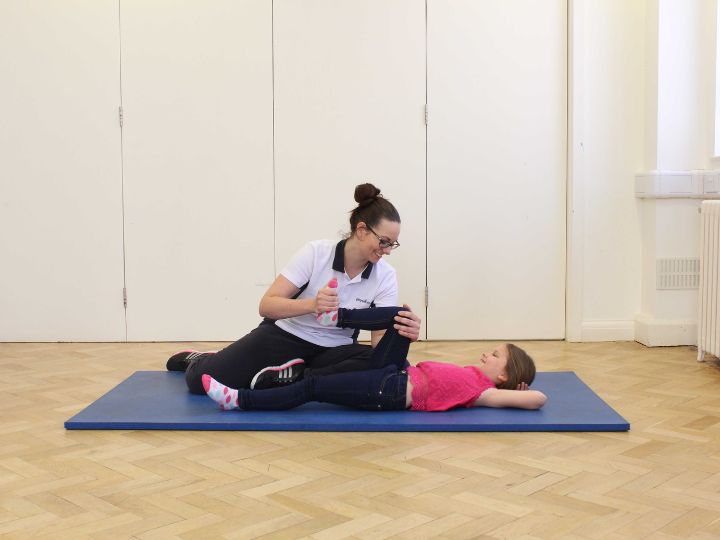
Occupational therapy is one of the foundational treatments for dyspraxia. A qualified occupational professional can help you develop practical strategies to improve coordination, task planning, and self‑organisation. Physiotherapy may also address muscle tone, posture, and movement patterns to make daily tasks less effortful.
Cognitive Behavioural Therapy (CBT)
CBT is often recommended for managing anxiety and stress in adults with dyspraxia. A mental health professional can guide you in challenging negative thoughts, building self-compassion, and developing resilience to stressful situations.
Assistive Strategies and Tools
Using external supports such as digital calendars, reminder apps, and structured routines can ease the burden of memory and planning. Simple environmental modifications, like simplifying wardrobes (e.g., elastic waistbands, velcro fasteners) or using voice-to-text tools for writing, can also reduce frustration.
Alternative or Complementary Approaches
Some clinics offer neurological‑based therapies, such as the Tomatis® Method, which aims to enhance brain-body communication and motor planning via auditory stimulation. These may not be mainstream, but they can be useful for some people in conjunction with more traditional therapies.
Lifestyle and Self‑Care
Regular physical activity, adequate rest, and stress‑management practices like mindfulness or breathing exercises are vital. Exercise can help with coordination and also reduce anxiety by regulating mood and energy.
Practical Coping Strategies for Adults
Here are some tips to better manage the relationship between dyspraxia and anxiety:
1. Break Tasks Down
Chunk big or complex tasks into smaller, manageable steps. This reduces mental load and lowers the risk of overwhelm.
2. Build Predictability
Use routines, checklists, or planning tools to create structure. The more predictable your day, the less mental energy you’ll waste on planning on the fly.
3. Develop Safe Spaces
Find environments where you feel accepted. Whether it’s an online forum, a support group, or a trusted friend, talking about your experiences can reduce isolation.
4. Practice Self-Compassion
Remind yourself that coordination challenges aren’t a reflection of your worth or intelligence. Reframe setbacks as part of a neurodiverse experience.
5. Manage Sensory Overload
If you're sensitive to noise, light, or crowded places (common in dyspraxia), incorporate calming strategies like noise-cancelling headphones, sunglasses, or scheduled breaks.
6. Prioritise Downtime
It’s okay — and often necessary — to rest. Mental and physical fatigue can worsen dyspraxia symptoms and fuel anxiety.
When to Seek Professional Support
If anxiety or stress is severely affecting your quality of life, consider these steps:
- Visit your GP or a psychologist to discuss your symptoms.
- Seek an occupational professional who specialises in neurodevelopmental conditions like DCD.
- Ask about a multidisciplinary assessment, especially if you suspect comorbid conditions (e.g., ADHD, autism).
- Explore peer support groups or advocacy organisations for people with dyspraxia — connecting with others can be deeply validating.
Final Thought / Summary
In summary, dyspraxia in adults is more than just difficulty with coordination — it often intersects with anxiety and chronic stress because of the daily burden of motor planning, mental fatigue, and social challenges. Fortunately, dyspraxia treatment that includes occupational and physiotherapy, CBT, assistive tools, and lifestyle adjustments can help manage both the physical and emotional impacts. By combining self‑compassion with structured support and professional care, adults with dyspraxia can significantly reduce anxiety, improve functioning, and lead more confident, balanced lives.