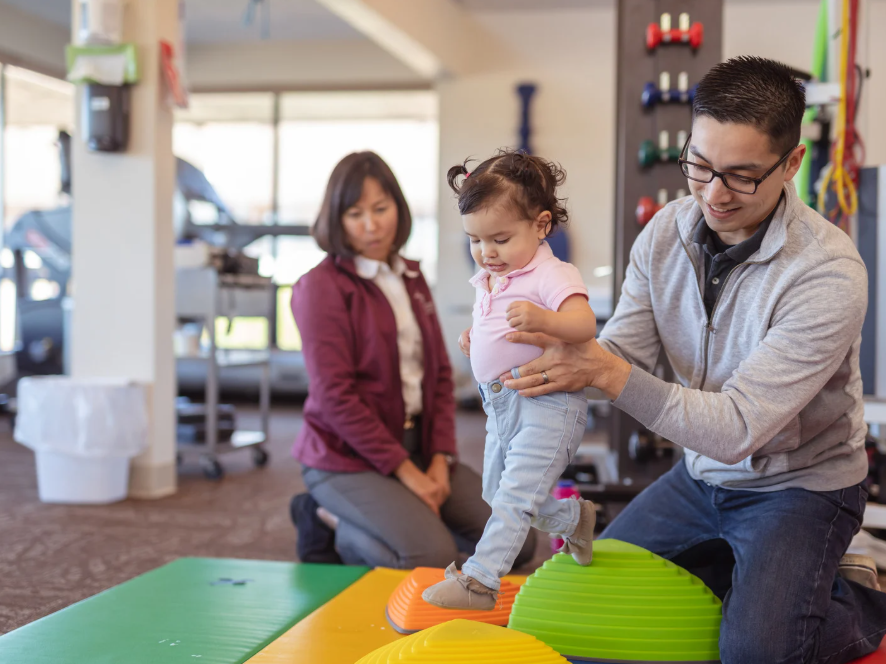



For many Australian families, navigating life with dyspraxia can feel overwhelming at first. Everyday activities that seem simple to others, such as tying shoelaces, catching a ball or organising schoolwork, can require enormous effort. Dyspraxia is a neurological condition that affects movement, planning and coordination. It can also influence attention, organisation and self-belief. The good news is that the right dyspraxia treatment can make a meaningful difference. With targeted support and practical strategies, children and adults can strengthen coordination, sharpen focus and build lasting confidence. The key is understanding how the condition works and what approaches are most effective.
Understanding Dyspraxia and Its Impact
Dyspraxia affects how the brain processes information related to movement and planning. A child with dyspraxia may know exactly what they want to do, but struggle to organise their body to carry out the action smoothly.
Common challenges include:
- Poor balance and coordination
- Difficulty with fine motor tasks, such as writing or buttoning clothes
- Trouble following multi-step instructions
- Delays in learning new physical skills
- Frustration or low confidence in social or school settings
These challenges can extend beyond physical movement. Many people with dyspraxia also experience difficulties with attention and organisation. This overlap means that support must address more than just physical skills.
How Dyspraxia Treatment Supports Coordination
Improving coordination is often the first goal of dyspraxia treatment. When movement becomes easier and more automatic, other areas of life begin to improve as well.
Building Gross Motor Skills
Gross motor skills involve large muscle groups used for activities such as running, jumping and climbing. Structured programs led by qualified professionals focus on:
- Balance exercises
- Core strength development
- Hand-eye coordination drills
- Gradual skill progression through repetition
In Australian schools and community programs, physical skill development is often embedded in play-based activities. This makes sessions engaging rather than clinical. Over time, consistent practice helps the brain create stronger motor pathways.
Strengthening Fine Motor Control
Fine motor skills are essential for handwriting, drawing, using cutlery and managing clothing fastenings. Targeted activities may include:
- Pencil grip training
- Scissor and craft tasks
- Hand strengthening exercises
- Coordinated finger movements
As fine motor control improves, children often find classroom tasks less exhausting. This alone can reduce frustration and boost participation.
Improving Focus and Attention
While dyspraxia is primarily known for coordination challenges, difficulties with focus and organisation are also common. When a child is constantly concentrating on how to move, it can drain mental energy needed for attention.
Effective dyspraxia treatment often includes strategies to support executive functioning skills. These may involve:
- Breaking tasks into smaller, manageable steps
- Visual schedules and structured routines
- Repetition to build automatic responses
- Clear and consistent instructions
When movement becomes more natural, the brain has a greater capacity to focus on learning and social interaction. This can lead to noticeable improvements in classroom engagement and task completion.
The Confidence Factor
Perhaps the most powerful outcome of early support is increased confidence. Children with dyspraxia may compare themselves to peers and feel discouraged if they struggle with sport, handwriting or coordination-based activities.
Confidence grows when:
- Skills are practised in a safe, supportive setting
- Progress is celebrated, even if it is gradual
- Strengths such as creativity or problem-solving are recognised
- Setbacks are framed as part of the learning process
Small wins matter. Successfully catching a ball, completing a worksheet independently or joining in playground games can transform a child’s self-belief.
Adults with dyspraxia also benefit from tailored support. Workplace adjustments, practical planning tools and skill-building exercises can enhance independence and reduce stress. As confidence improves, individuals are more likely to pursue opportunities that once felt out of reach.
Early Intervention Versus Ongoing Support
Many families ask whether support should begin as early as possible. In most cases, early intervention leads to stronger long-term outcomes. The brain is highly adaptable in childhood, making it an ideal time to reinforce new movement patterns.
However, it is never too late to start. Teenagers and adults can still benefit from structured programs. The approach may simply shift towards practical life skills, workplace organisation and social confidence.
Consistency is crucial. Progress with dyspraxia rarely happens overnight. Regular sessions and reinforcement at home and school create the repetition needed for lasting change.
A Holistic Approach Delivers the Best Results
No single strategy works in isolation. The most effective support plans consider the whole person rather than just physical coordination.
A holistic approach may include:
- Movement-based skill development
- Classroom adjustments
- Support with emotional regulation
- Clear communication between families and professionals
- Home practice activities that are realistic and sustainable
Collaboration ensures that improvements in one area reinforce gains in another. For example, better coordination can reduce anxiety, which in turn supports focus.
Families in Australia often access information and resources through reputable organisations such as Occupational Therapy Australia and local education departments. These sources provide guidance on evidence-based strategies and community programs.
What Families Can Do at Home
Professional support is important, but everyday routines also play a major role. Simple adjustments can make daily life smoother and less stressful.
Consider:
- Allowing extra time for dressing and homework
- Encouraging physical play in a low-pressure environment
- Using visual checklists for morning and evening routines
- Praising effort rather than perfection
Patience is key. Progress may be gradual, but consistent encouragement helps reinforce new skills.
Setting Realistic Expectations
It is important to remember that dyspraxia is a lifelong condition. The goal of support is not to eliminate every difficulty, but to build skills, independence and resilience.
Improvement often looks like:
- Better coordination during daily tasks
- Increased ability to concentrate for longer periods
- Greater willingness to try new activities
- Stronger social participation
Each person’s journey is unique. Comparing progress to others can be discouraging. Instead, focus on individual growth over time.
Summary
So, can dyspraxia treatment improve coordination, focus and confidence? In many cases, yes. With structured support, consistent practice and encouragement, individuals with dyspraxia can strengthen motor skills, enhance attention and develop a healthier sense of self-belief. The right dyspraxia treatment targets both physical and cognitive challenges, creating a ripple effect across school, work and social life. While dyspraxia remains a lifelong condition, early and ongoing intervention helps children and adults build practical strategies that support independence. By addressing movement, focus and emotional wellbeing together, dyspraxia treatment empowers individuals with dyspraxia to participate more fully in everyday life.