


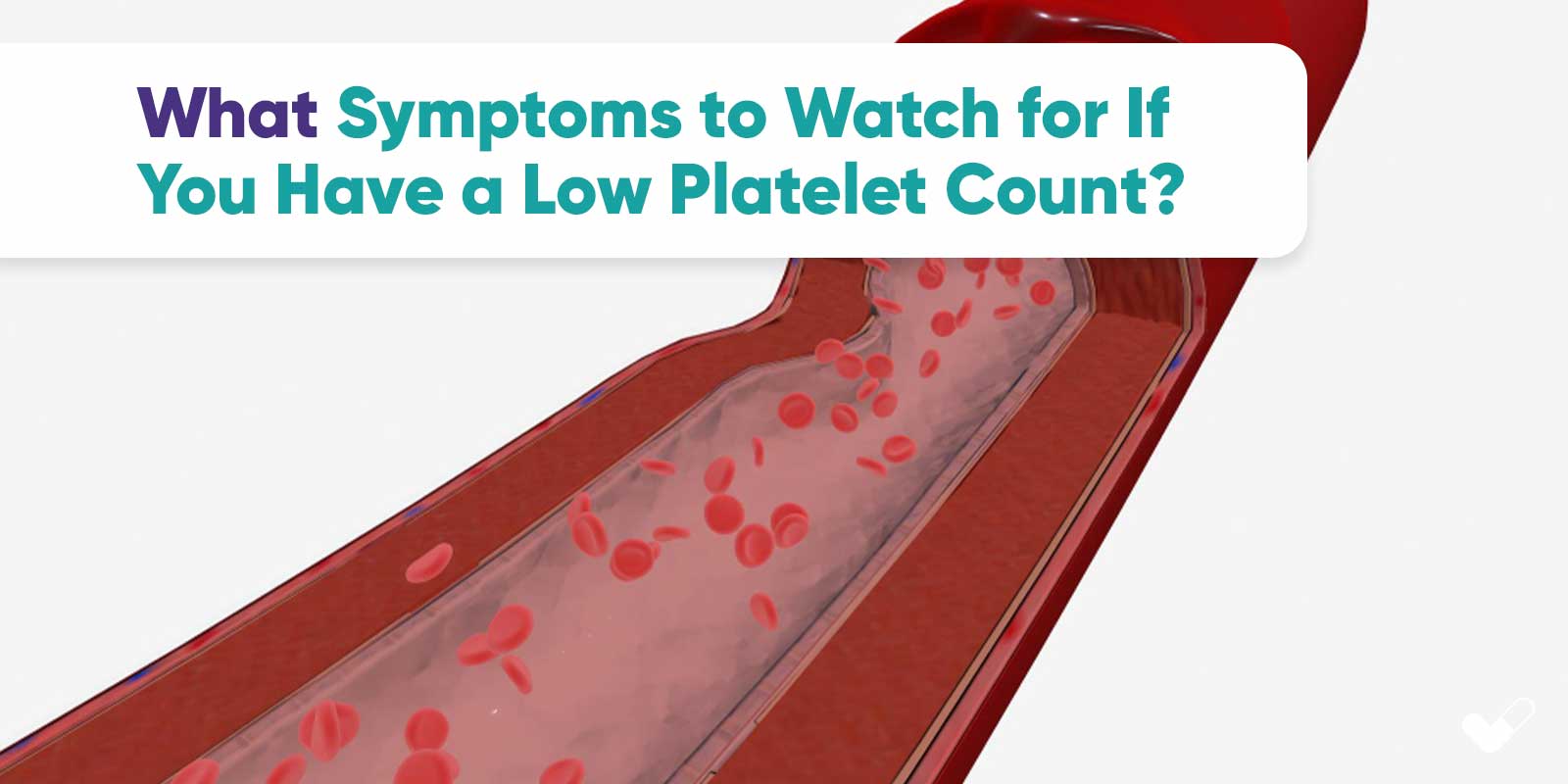
Platelets are essential components of the blood that help prevent excessive bleeding after injuries. When platelet levels fall below the normal range, even minor cuts or bruises can become concerning. Many people discover low platelet counts through routine blood tests, while others notice unusual symptoms long before they receive a diagnosis. Recognising the early warning signs allows for timely medical evaluation and prevents complications.
This article explains the symptoms associated with low platelet counts, why they occur, and how individuals can monitor their health effectively. Understanding these signs empowers people to seek the right care at the right time.
Understanding What Low Platelet Count Means
A low platelet count, medically known as thrombocytopenia, occurs when the number of platelets in the blood falls below normal levels. This can happen for several reasons, including:
- Decreased platelet production in the bone marrow.
- Increased platelet destruction due to immune disorders.
- Medications that affect platelet formation.
- Viral infections that impact blood components.
- Chronic illnesses such as liver or autoimmune diseases.
Because platelets are responsible for clotting, a deficiency increases the risk of bleeding and bruising.
Early Skin-Related Symptoms to Look Out For
One of the first places where symptoms appear is the skin. Changes may include:
- Bruises that develop from light bumps or appear with no clear cause.
- Tiny red or purple spots caused by bleeding under the skin.
- Larger patches of discolouration that look like deeper bruises.
- Cuts that take longer than usual to stop bleeding.
- Skin patches that develop suddenly without injury.
These early signs are often subtle but important signals that platelet activity is reduced.
Bleeding Symptoms That Require Attention
Low platelet counts often affect the body’s ability to control bleeding. Symptoms may include:
- Frequent or heavy nosebleeds.
- Bleeding gums during brushing or flossing.
- Prolonged bleeding from minor cuts.
- Heavy or irregular menstrual bleeding in women.
- Blood in urine or stools in severe cases.
If any bleeding episode feels unusual or difficult to stop, medical evaluation is essential.
Internal Symptoms That Are Less Noticeable but Important
Some symptoms of low platelet count are not visible from the outside, yet they provide critical information.
These may include:
- Fatigue is caused by the body working harder to maintain balance.
- Dizziness or episodes of light-headedness.
- Headaches that become persistent or more intense.
- Abdominal pain is linked to an enlarged spleen.
- Chest discomfort occurs if oxygen delivery is compromised.
Internal symptoms can indicate an underlying condition requiring timely medical attention.
Why Platelet Levels Drop: Common Causes and Triggers
Understanding the root cause helps guide proper treatment and monitoring. Common causes include:
- Viral infections such as dengue, hepatitis, or HIV.
- Autoimmune conditions where the body attacks its own platelets.
- Genetic platelet disorders present from birth.
- Chemotherapy or medications that suppress bone marrow activity.
- Nutritional deficiencies affecting blood production.
Identifying the cause ensures the right plan is created for long-term recovery.
When Low Platelet Count Becomes an Emergency
While mild thrombocytopenia may not cause immediate issues, certain symptoms indicate urgent care is needed.
- Seek emergency help if you notice:
- Bleeding that does not stop within 10–15 minutes.
- Vomiting or coughing up blood.
- Black, tarry stools indicate gastrointestinal bleeding.
- Suddenly, severe headaches could signal internal bleeding.
- Difficulty breathing or rapid heart rate.
These serious symptoms require immediate medical intervention to prevent complications.
How Doctors Diagnose Low Platelet Count
Diagnosis typically begins with a complete blood count (CBC). Additional assessments may include:
- Peripheral blood smear to examine platelet shape and size.
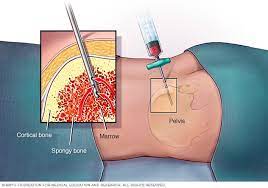
- Bone marrow biopsy to evaluate platelet production.
- Liver and kidney function tests.
- Viral panels to identify infection-related causes.
- Immune system evaluations for autoimmune disorders.
Accurate diagnosis ensures treatment is tailored to the underlying cause.
Treatment Approaches for Managing Low Platelet Levels
Treatment depends on the severity and underlying cause. Approaches may include:
- Medications that stimulate platelet production.
- Steroids to reduce immune-driven platelet destruction.
- Intravenous immunoglobulin for urgent cases.
- Platelet transfusions during emergencies.
- Lifestyle modifications to avoid injury or trauma.
Some individuals may be prescribed medicines such as Revolade 50mg, which contains Eltrombopag, a platelet-boosting agent used in certain types of thrombocytopenia. Such treatment must be taken only under strict medical supervision.
Daily Lifestyle Practices That Support Platelet Health
Simple daily habits help reduce the risk of bleeding and support overall well-being.
Helpful practices include:
- Avoiding high-impact activities that increase injury risk.
- Use a soft toothbrush to protect the gums.
- Avoiding over-the-counter painkillers that thin blood.
- Staying hydrated and eating a balanced diet.
- Monitoring for new bruises or bleeding episodes.
These practices are important for individuals with chronically low platelet levels.
When Low Platelet Count Interferes With Daily Life
For some individuals, thrombocytopenia may impact everyday functioning. Challenges may include:
- Feeling anxious about routine physical activities.
- Needing to schedule frequent medical visits.
- Adjusting menstrual cycles in women with heavy bleeding.
- Limitations on certain medications.
- Modifying travel or work schedules to reduce risk.
Awareness and proper planning help manage daily responsibilities safely.
Final Thoughts
Low platelet counts can lead to several visible and internal symptoms, and understanding these signs ensures timely diagnosis and appropriate medical care. With proper monitoring, treatment, and lifestyle adjustments, most individuals can manage thrombocytopenia safely and maintain a good quality of life.


COVID-19 Impact Analysis on Aplastic Anemia Treatment Market report published by Value Market Research provides a detailed market analysis comprising market size, share, value, growth and trends for the period 2020-2027.
Moreover, this market report also covers regional and country markets in detail.The research report also covers the comprehensive profiles of the key players in the market and an in-depth view of the competitive landscape worldwide.
This section consists of a holistic view of the competitive landscape that includes various strategic developments such as key mergers & acquisitions, future capacities, partnerships, financial overviews, collaborations, new product developments, new product launches, and other developments.Get more information on "Global Aplastic Anemia Treatment Market Research Report" by requesting FREE Sample Copy at https://www.valuemarketresearch.com/contact/aplastic-anemia-treatment-market/download-sampleMarket DynamicsThe global aplastic anemia treatment market will grow with the rising prevalence of aplastic anemia.
Aplastic anemia (AA) is a rare, life-threatening disease, but in the last few years, the anemia incidence rate has been climbing rapidly with an increase in cancer patients taking radiation and chemotherapy treatments.
Unhealthy habits of people and weakening immune system is contributing to the increasing number of incidences.
On the other hand, the high cost of treatment will restrain the market growth.The research report covers Porter’s Five Forces Model, Market Attractiveness Analysis, and Value Chain analysis.