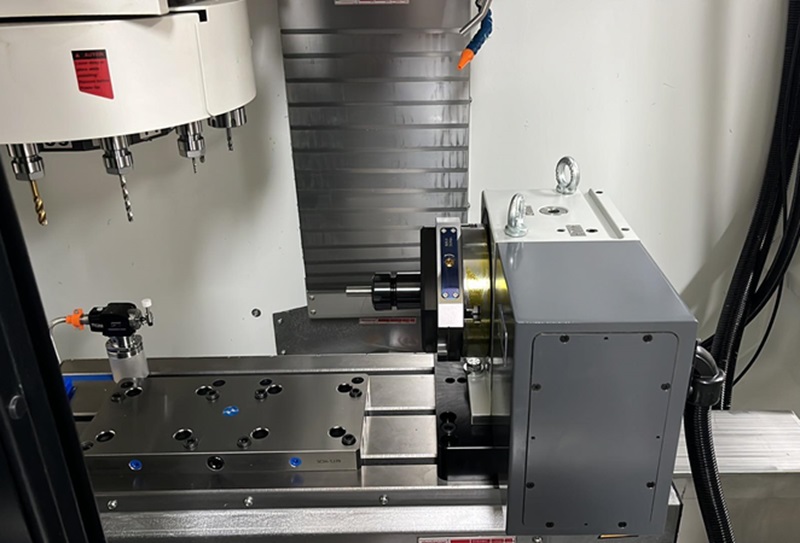
In the realm of CNC machining, where precision, repeatability, and productivity are non-negotiable, even the smallest component in your setup can have a massive impact on your success. Among the most critical—yet often underappreciated—elements in CNC operations are your collet and chuck systems. Together, they form the connection between your machine spindle and the cutting tool or workpiece, playing a vital role in holding strength, accuracy, and process stability.
A collet and chuck system may seem simple in design, but its performance directly affects surface finish, tool life, dimensional consistency, and even spindle wear over time. Whether you’re machining tight-tolerance aerospace parts or batch-running components in a job shop, choosing the right collet and chuck solution isn't just about compatibility—it's about optimizing your entire operation from the spindle outward.

At SilverCNC, we specialize in providing top-tier collet and chuck systems for CNC machines of all types—vertical mills, turning centers, Swiss-type lathes, and 5-axis machines. We help manufacturers identify, integrate, and maintain premium workholding and toolholding solutions that support sustained performance in high-demand environments.
What Are Collet and Chuck Systems?
🔹 What Is a Chuck?
A chuck is a mechanical device used to clamp and hold a tool or workpiece in place within the CNC machine spindle or tailstock. It typically features jaws or a clamping mechanism that can be adjusted to securely grip the object during machining.
Common chuck types:
- Scroll or 3-jaw chucks – Automatically center workpieces (ideal for round parts)
- Independent 4-jaw chucks – Manually adjustable for odd-shaped or off-center pieces
- Power chucks – Hydraulically or pneumatically operated for automation workflows
- Collet chucks – Designed to accept collets for precision holding (more below)
🔹 What Is a Collet?
A collet is a sub-component and a form of chuck used for precision tool or workpiece holding. It is typically a sleeve or collar with a split body that can compress when tightening forces are applied. This provides high concentricity and holding force with minimal runout.
Collet types include:
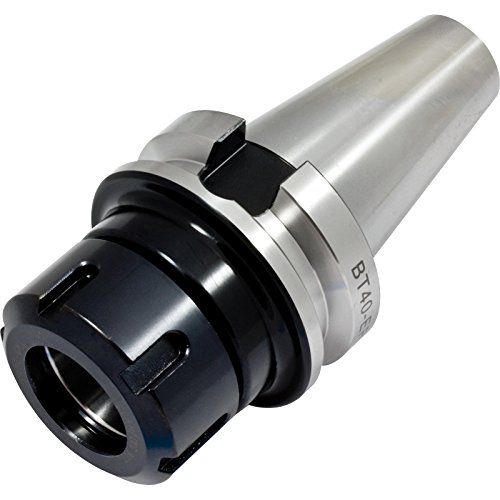
- ER collets
- R8 collets (common in bridgeports)
- 5C/16C collets (lathe applications)
- Hydraulic and shrink-fit collets for ultra-high precision
The collet-to-chuck combination results in highly accurate and repeatable clamping, even for the smallest-diameter tools or parts—making it ideal for Swiss machines, CNC mills, and turning centers.
Why Collet and Chuck Systems Matter in CNC Machining
How your tool or part is held affects nearly every aspect of the machining process. Here’s why collet and chuck selection is so critical:
✅ 1. Accuracy and Runout Control
Runout (the off-center rotation of tooling) can ruin surface finishes, create uneven tool wear, and break small tools. A high-quality collet and chuck system minimizes runout—often to under 5 microns—ensuring repeatable, high-precision results.
✅ 2. Gripping Strength and Stability
Poor clamping can cause tools or workpieces to shift under cutting load, resulting in:
- Poor tolerances
- Vibration
- Tool breakage
Properly matched chucks and collets resist torque and radial cutting forces, ensuring safer, more stable operations.
✅ 3. Machine Tool Longevity
A misaligned tool or excessive spindle load from faulty clamping translates directly to spindle bearing wear and misalignment. Using premium collet and chuck systems extends the usable life of your CNC spindle.
✅ 4. Production Efficiency
Quick-change collet chucks and power chucks support faster setups and tool changes, cutting down on cycle time and maximizing uptime.
✅ 5. Versatility and Cost Savings
Collets are typically more affordable and flexible, especially when working with smaller tools or bar stock. Instead of investing in specialized fixtures, a collet and chuck system can be used across many job types with high adaptability.
Main Types of Collet and Chuck Systems
Let’s break down the most commonly used collet and chuck systems you’ll find in CNC shops:
🔧 ER Collet System
- Popular in mills and routers
- Available in ER8 to ER50 sizes
- Great for holding end mills or drills
- Balanced performance with moderate runout control
- Not ideal for high-torque or heavy-duty cutting
🚀 Hydraulic Chucks
- Use hydraulic fluid to pressurize an internal sleeve
- Excellent for high-precision toolholding
- Ideal for high-speed machining with low vibration
- Requires regular maintenance
🔥 Shrink-Fit Chucks
- Tool is heated to expand and inserted into the chuck
- As it cools, the tool is gripped tightly
- Known for very high concentricity (≤3 microns)
- Best for finishing operations or micro-machining
🛠️ 3-Jaw and 4-Jaw Lathe Chucks
- Used for holding round, square, or asymmetrical workpieces
- Manually or automatically adjusted
- Suitable for OD and ID turning
- Better for heavier cuts and larger parts—but with more runout
📏 Collet Chuck for Turning Centers
- Often 5C, 16C, or Dead-length collets
- Provide low runout, fast changeovers
- Ideal for Swiss lathes and bar-fed machines
⚙️ Power Chucks with Quick Change Jaws
- Common in CNC lathes
- Enable automation with high gripping force
- Compatible with soft or hard jaws for part customization
Choosing the Right Collet and Chuck
Selecting the proper system depends on:
- Application type (milling, turning, drilling)
- Workpiece or tool size
- Material hardness and tolerances
- Desired surface finish
- Volume of production (Prototype vs. Mass production)
- Budget constraints
At SilverCNC, we work with hundreds of shops to create customized setups that match their specific needs—from ER collet systems for job shops to full chuck + collet automation for high-volume parts.
Best Practices for Maximizing Collet and Chuck Performance
✅ Keep Equipment Clean: Chips, dust, or oil on mating surfaces introduce runout.
✅ Use Torque Wrenches: Over-tightening destroys concentricity.
✅ Inspect for Wear: Replace collets after ~400-600 hours of use.
✅ Pre-balance Assemblies: Especially important for high-RPM tools or finishing tools.
✅ Avoid Overuse: Each system has a lifecycle—replace before performance degrades.
Why Choose Collet and Chuck Systems from SilverCNC?

At SilverCNC, we offer:
✅ Tested and certified collets and chucks—from ER, 5C, R8, to custom systems
✅ Expert pairing of tools and holders for your materials & operations
✅ Long-life, balanced systems for high RPM and fine finishes
✅ Onsite or remote consultation for your CNC machine type
✅ Integration support for automation and robotic changeovers
With extensive tech support and in-stock products ready to ship worldwide, we’re your trusted partner in optimizing the most important aspect of CNC—tool and part holding.
Precision Starts At the Hold
Your machining quality, tool life, and productivity all start with how well your tool or part is held. An optimized collet and chuck system not only ensures repeatable cutting accuracy but also reduces machine wear, enhances surface quality, and increases overall shop efficiency.
FAQs:
Q1: What’s the main difference between a collet and a chuck?
A chuck is the overall holding system, while a collet is an internal component that uses elastic deformation to hold the tool or workpiece. Chucks can use jaws or collets depending on design.
Q2: How do I know if my collet is worn out?
Signs include:
-Increased runout
-Unusual tool vibration
-Difficulty tightening
-Tool slippage during cuts
Replace collets after 400–600 hours of use or sooner in high-speed applications.
Q3: Can I use ER collets for heavy-duty turning?
ER collets are better suited for milling and light lathe operations. For heavy OD turning, consider using a power chuck with appropriate jaws or dead-length collet systems.
Q4: Are shrink-fit chucks safe?
Yes—when used with proper induction or thermal tools and following safety procedures, shrink-fit toolholders are among the most accurate and stable options available.
Q5: Does a collet system require balancing?
Yes. Even though collets are small, imbalance at high RPMs can cause vibration and poor surface finishes. Always use pre-balanced tool holders or balance your assemblies for speeds above 10,000 RPM.
Q6: Can I retrofit a new chuck system on my older CNC machine?
In many cases, yes. Our team at SilverCNC can assess your spindle type, controller, and tooling needs to recommend a compatible chuck retrofit or adapter system.
Q7: How tight should I tighten a collet nut?
Use manufacturer-recommended torque values, typically assisted by a torque wrench. Over-tightening can deform the collet and reduce lifespan or positional accuracy.