In the world of precision machining, the quality of your workholding solution can make or break your results. As parts become more complex and tolerances tighter, manufacturers are constantly searching for ways to improve stability, repeatability, and efficiency at every stage of production. One of the most effective and versatile solutions to emerge in recent years is the Dovetail fixture.
At SilverCNC, we understand that achieving perfect workholding is not just about clamping a part in place—it’s about ensuring that every cut, every pass, and every operation is performed with absolute confidence and consistency. The Dovetail fixture has quickly become a favorite among machinists and manufacturers for its ability to deliver secure, precise, and repeatable workholding, even in the most demanding applications.
Dovetail Fixture Mastery: Achieving Perfect Workholding Every Time
The Fundamentals of Workholding

It’s important to understand why workholding is so critical in machining. Workholding refers to the methods and devices used to secure a workpiece during manufacturing operations. The right workholding solution ensures:
- Stability: The part remains immobile during cutting, reducing vibration and improving surface finish.
- Repeatability: Parts can be loaded and unloaded with minimal variation, ensuring consistent results.
- Accessibility: The workpiece is held in a way that allows tools to reach all necessary features.
- Efficiency: Quick and easy setup reduces downtime and increases throughput.
Traditional workholding methods—such as vises, clamps, and custom fixtures—have served the industry well for decades. However, as parts become more intricate and production demands increase, these methods can fall short in terms of speed, flexibility, and precision.
What is a Dovetail Fixture?
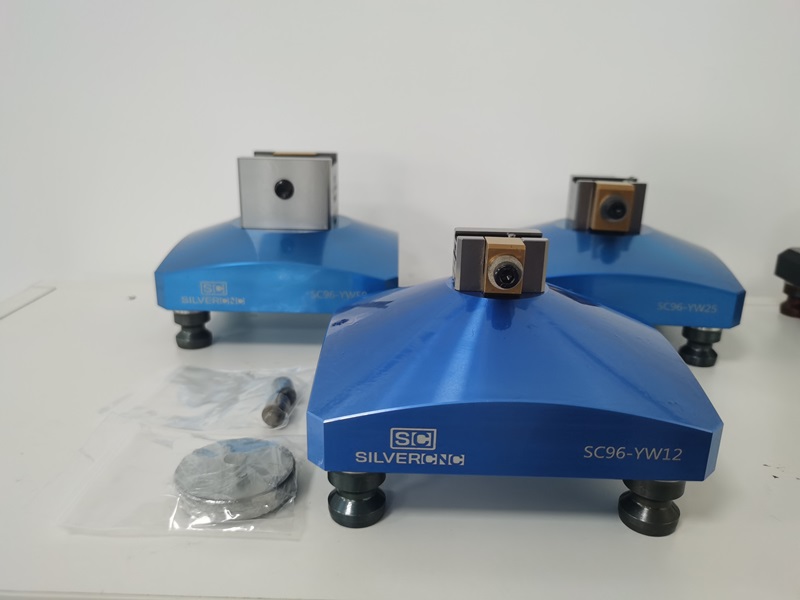
A Dovetail fixture is a specialized workholding device that uses a dovetail-shaped interface to secure the workpiece. The dovetail geometry—characterized by its trapezoidal profile—provides a mechanical advantage, allowing for strong, self-centering clamping with minimal distortion of the part.
Key Components of a Dovetail Fixture
Dovetail Jaw or Clamp: The fixture features a precisely machined dovetail groove or jaw that matches the corresponding feature on the workpiece.
- Workpiece Preparation: The part is machined with a matching dovetail feature, typically on a sacrificial tab or base.
- Clamping Mechanism: The fixture uses screws, levers, or hydraulic systems to draw the dovetail feature into the jaw, locking it securely in place.
This design offers several advantages over traditional flat or round clamping surfaces, particularly for high-precision and high-force machining operations.
Why Choose a Dovetail Fixture?
The Dovetail fixture has gained popularity for several compelling reasons:
1. Superior Holding Power
The dovetail interface provides exceptional holding strength, even under heavy cutting loads. The angled surfaces create a wedging action that resists both vertical and lateral forces, minimizing the risk of part movement or slippage.
2. Minimal Distortion
Unlike traditional clamps that can deform the workpiece, a dovetail fixture applies force evenly across the interface. This reduces the risk of distortion, especially on thin or delicate parts.

3. Enhanced Accessibility
By gripping the part on a small dovetail feature, the fixture leaves most of the workpiece exposed. This allows for full 5-axis machining and access to multiple faces in a single setup, reducing the need for repositioning.
4. Repeatability and Precision
The self-centering nature of the dovetail interface ensures that parts are located consistently every time they are loaded. This repeatability is essential for high-precision manufacturing and automated production.
5. Efficiency and Speed
Dovetail fixtures are designed for quick loading and unloading, making them ideal for high-mix, low-volume production as well as large batch runs. Reduced setup times translate directly into increased productivity.
Applications of Dovetail Fixtures
Dovetail fixtures are used across a wide range of industries and applications, including:
- Aerospace: Machining complex components with tight tolerances and multiple features.
- Medical Devices: Producing small, intricate parts that require precise workholding.
- Automotive: High-speed machining of engine and transmission components.
- Mold and Die Making: Creating molds with complex geometries and fine details.
- General Manufacturing: Any application where secure, repeatable workholding is required.
Integrating Dovetail Fixtures into Your Workflow
To achieve perfect workholding with a Dovetail fixture, it’s important to follow best practices at every stage of the process.
1. Workpiece Preparation
The first step is to machine a dovetail feature on the workpiece. This is typically done on a sacrificial tab or base that will be removed after machining. The size and angle of the dovetail should match the fixture’s specifications for optimal fit and holding power.
2. Fixture Selection
Choose a dovetail fixture that matches your part size, material, and machining requirements. Consider factors such as:
- Jaw width and depth
- Clamping force
- Material compatibility
- Mounting options (e.g., direct to machine table, modular systems)
SilverCNC offers a range of dovetail fixtures designed for different applications and machine types.
3. Setup and Calibration
Install the fixture on your machine and ensure it is properly aligned. Use precision indicators and alignment tools to verify that the fixture is square to the machine axes. Calibrate the fixture’s position in your CNC control system for accurate part location.
4. Loading and Clamping
Insert the prepared workpiece into the dovetail jaw and engage the clamping mechanism. Apply the recommended torque or hydraulic pressure to achieve secure holding without over-tightening.
5. Machining Operations
With the part securely held, you can perform aggressive machining operations with confidence. The dovetail fixture’s design minimizes vibration and movement, resulting in better surface finishes and tighter tolerances.

6. Unloading and Finishing
After machining, release the clamping mechanism and remove the part. If a sacrificial tab was used, separate it from the finished part using a saw or other cutting tool.
Advanced Tips for Dovetail Fixture Mastery
To get the most out of your Dovetail fixture, consider these advanced strategies:
1. Optimize Dovetail Geometry
Experiment with different dovetail angles and depths to find the optimal balance between holding power and ease of part preparation. Common angles range from 10° to 20°, but the best choice depends on your specific application.
2. Use Modular Fixtures
Modular dovetail fixtures allow for quick reconfiguration to accommodate different part sizes and shapes. This flexibility is ideal for job shops and high-mix production environments.
3. Automate Loading and Unloading
For high-volume production, consider integrating your dovetail fixtures with robotic loading systems. The repeatable nature of the dovetail interface makes it well-suited for automation.
4. Monitor Clamping Force
Use torque wrenches or force sensors to ensure consistent clamping force on every part. This helps maintain repeatability and prevents damage to delicate workpieces.
5. Maintain Your Fixtures
Regularly clean and inspect your dovetail fixtures for wear or damage. Replace worn jaws or clamping components as needed to maintain optimal performance.
Real-World Example: Dovetail Fixture Success at SilverCNC
The Challenge
A medical device manufacturer was struggling with inconsistent part quality and long setup times when machining small, intricate components. Traditional vises and clamps were causing distortion and making it difficult to achieve the required tolerances.
The Solution
After consulting with SilverCNC, the manufacturer switched to a dovetail fixture system. Parts were prepared with a small dovetail tab, allowing for secure, distortion-free clamping and full access for 5-axis machining.
The Results
- Setup times reduced by 50%
- Part quality improved, with tighter tolerances achieved
- Scrap rates decreased by 30%
- Operator satisfaction increased due to easier loading and unloading
This case demonstrates how mastering the use of a Dovetail fixture can deliver tangible benefits in quality, efficiency, and overall productivity.
Common Mistakes to Avoid with Dovetail Fixtures
1. Incorrect Dovetail Preparation
Failing to machine the dovetail feature to the correct dimensions can result in poor fit and reduced holding power. Always follow the fixture manufacturer’s specifications.
2. Over-Tightening
Applying excessive clamping force can damage both the fixture and the workpiece. Use the recommended torque settings for your specific fixture.
3. Neglecting Maintenance
Dirty or worn fixtures can compromise holding power and repeatability. Clean and inspect your fixtures regularly.
4. Ignoring Alignment
Improper fixture alignment can lead to machining errors and inconsistent results. Take the time to align and calibrate your fixtures accurately.
The Future of Dovetail Fixture Technology

As manufacturing technology continues to advance, Dovetail fixtures are evolving to meet new challenges:
- Quick-Change Systems: Allow for even faster part swaps and reduced downtime.
- Integrated Sensors: Monitor clamping force and part position in real time.
- Advanced Materials: Use of lightweight, high-strength alloys for improved performance.
- Customizable Jaws: 3D-printed or modular jaws tailored to specific part geometries.
At SilverCNC, we are committed to staying at the forefront of these innovations, ensuring our customers have access to the latest and most effective dovetail fixture solutions.
Achieve Perfect Workholding with SilverCNC Dovetail Fixtures
Mastering the use of a Dovetail fixture is a game-changer for any machining operation. By providing secure, repeatable, and distortion-free workholding, dovetail fixtures enable manufacturers to achieve higher quality, greater efficiency, and more flexibility in their production processes.
Frequently Asked Questions (FAQ) About Dovetail Fixtures
1. What is a dovetail fixture and how does it work?
A dovetail fixture is a workholding device that uses a dovetail-shaped interface to securely clamp a workpiece. The part is prepared with a matching dovetail feature, which is drawn into the fixture’s jaw for strong, repeatable holding.
2. What are the main benefits of using a dovetail fixture?
Dovetail fixtures offer superior holding power, minimal distortion, enhanced accessibility for multi-axis machining, high repeatability, and faster setup times compared to traditional workholding methods.
3. Can dovetail fixtures be used for all types of parts?
While dovetail fixtures are versatile, they are best suited for parts that can accommodate a dovetail feature, typically on a sacrificial tab or base. Consult with SilverCNC to determine if your parts are suitable for dovetail workholding.
4. How do I prepare a part for dovetail fixturing?
Machine a dovetail feature on the part, following the fixture manufacturer’s specifications for angle, depth, and width. This is usually done on a tab that will be removed after machining.
5. Are dovetail fixtures compatible with 5-axis machining?
Yes, dovetail fixtures are ideal for 5-axis machining, as they provide secure holding while leaving most of the part accessible for complex operations.
6. What maintenance is required for dovetail fixtures?
Regular cleaning, inspection for wear, and replacement of worn jaws or clamping components are recommended to maintain optimal performance.
7. Can dovetail fixtures be used with automation?
Absolutely. The repeatable nature of the dovetail interface makes it well-suited for robotic loading and automated production systems.
8. What industries benefit most from dovetail fixtures?
Industries such as aerospace, medical device manufacturing, automotive, and mold making benefit greatly from the precision and efficiency of dovetail fixtures.
9. How do I choose the right dovetail fixture for my application?
Consider factors such as part size, material, required clamping force, and machine compatibility. SilverCNC offers expert consultation to help you select the best fixture for your needs.
10. What are the latest trends in dovetail fixture technology?
Recent trends include quick-change systems, integrated sensors, advanced materials, and customizable jaws for specific part geometries.
Request a quote by either:• Emailing sales@proboxdrawers.co.uk • Completing the simple to use form at www.proboxdrawers.co.uk • Calling us to discuss your project on 01280 825776