



In today’s competitive food retail environment, supermarkets face increasing pressure to deliver products that meet the highest standards of quality, safety, and accuracy. From supplier audits to strict packaging rules, compliance has become a central pillar for maintaining customer trust and meeting regulatory requirements. For manufacturers, processors, and brand owners supplying to supermarkets, understanding compliance standards is not just beneficial — it is essential.
Supermarkets rely on frameworks like HACCP, BRC Global Standards, SQF, and the Average Quantity System (AQS) to ensure consistent product quality, safety, and integrity. These systems protect consumers, streamline supply chains, and help retailers avoid costly recalls and regulatory issues.
What Is Supermarket Compliance?
Supermarket compliance refers to the set of rules, standards, and quality-assurance requirements that retailers enforce to ensure products on their shelves are safe, accurately labelled, properly weighed, and free from contaminants. Compliance spans multiple areas including:
• Food safety and hygiene
• Packaging integrity
• Accurate weights and measures
• Allergen declarations
• Traceability and batch control
• Contamination prevention
• Quality control and inspection
• Regulatory adherence (local and global)
Large retailers such as Coles, Woolworths, ALDI and independent supermarket groups often mandate strict supplier specifications. Manufacturers must demonstrate compliance before a product can be accepted into the supply chain.
The Foundation of Food Safety: HACCP
Hazard Analysis and Critical Control Points (HACCP) is the backbone of food safety programs worldwide. It is designed to identify and manage biological, chemical, and physical hazards throughout the production process.
Why HACCP Matters to Supermarkets and Suppliers
• Ensures food is produced safely
• Reduces contamination risks
• Forms the base for certification schemes like BRC, SQF and FSSC 22000
• Provides structured preventive controls rather than reactive fixes
Key HACCP Principles
1. Conduct a hazard analysis
2. Identify Critical Control Points (CCPs)
3. Establish critical limits for each CCP
4. Monitor CCPs
5. Implement corrective actions
6. Establish verification procedures
7. Maintain documentation and records
Supermarkets expect suppliers to have a thoroughly implemented HACCP plan. It demonstrates that manufacturers understand their processes, can manage risks, and can prevent safety failures before they occur.
BRC Global Food Safety Standard: The Gold Standard for Retail Compliance
Originally developed by the British Retail Consortium, the BRC Global Food Safety Standard (now BRCGS) is one of the most widely recognised food-safety certification programs worldwide.
What Makes BRC Important?
• Supermarkets often require it for private-label products
• It ensures consistency in product quality and safety
• It focuses heavily on traceability, hygiene, and inspection
• Suppliers with BRC certification are seen as highly trustworthy
Key Requirements of BRC
• A fully implemented HACCP system
• Documented food-safety and quality-management system
• Environmental and hygiene controls
• Supplier and raw-material approval processes
• Packaging and labelling verification
• Product testing and internal audits
BRC certification provides supermarkets with confidence that suppliers follow rigorous safety and quality practices.
Beyond BRC: Additional Global Standards Impacting Supermarket Compliance
While BRC is one of the most widely adopted, supermarkets may recognise or require several other major certification schemes depending on the product type and supply chain.
1. SQF (Safe Quality Food)
Popular in Australia and internationally, SQF focuses on consistent food quality across multiple supply-chain stages. It is suitable for primary producers, manufacturers, distributors, and retailers.
2. FSSC 22000
A GFSI-recognised scheme that integrates ISO standards with food-safety management. It is often chosen by large-scale manufacturers and export facilities.
3. ISO 22000
A globally recognised food-safety management standard rooted in the principles of HACCP and continuous improvement.
Why Supermarkets Care About These Standards
• Provide global uniformity across supply chains
• Protect brands from food recalls and consumer complaints
• Ensure that suppliers maintain consistent quality
• Create legally defensible food-safety systems
For supermarkets, certified suppliers are easier to onboard, monitor, and trust.
Average Quantity System (AQS): Ensuring Accurate Weights and Measures
Weight accuracy is a major part of supermarket compliance. In Australia, the Average Quantity System (AQS) ensures packaged goods are sold fairly and legally.
AQS Requirements Include:
• Ensuring the average product weight meets or exceeds the declared weight
• Controlling the number of underweight packages in a batch
• Eliminating significant underfills
• Regular sampling and statistical testing
Manufacturers use tools like:
…to verify product accuracy, maintain compliance, and satisfy retailer standards.
Supermarkets expect suppliers to be fully compliant with AQS — underfilling is a legal issue, and overfilling leads to costly product give-away.
Inspection Technologies: Essential Tools for Compliance
Modern supermarket compliance relies heavily on automated inspection systems to ensure product quality, package integrity, and contamination control.
Common Inspection Systems Include:
• Checkweighers for weight accuracy
• Metal detectors for detecting ferrous, non-ferrous, and stainless-steel contamination
• X-ray systems for detecting dense contaminants like bone, glass, stone, and metal
• Vision inspection systems for label verification and packaging checks
These systems support:
• HACCP by monitoring CCPs
• BRC by maintaining inspection records
• AQS by ensuring accurate quantity control
• Traceability by linking weight and inspection data to batch numbers
Supermarkets increasingly require that suppliers have these technologies in place — particularly for high-risk lines or private labels.
Audits: The Heart of Supermarket Compliance
Supermarkets audit their suppliers regularly to ensure ongoing compliance.
Supplier Audits May Include:
• Review of HACCP plans
• Verification of hygiene and sanitation practices
• Inspection of packaging processes
• Confirmation of traceability and batch records
• Review of inspection-system performance
• Weight-accuracy reports and calibration records
• Allergen-control procedures
Failing audits can result in delisting or costly corrective actions.
Passing audits demonstrates reliability, safety, and professionalism — qualities supermarkets value deeply.
The Future of Supermarket Compliance: Data, Automation, and Traceability
As consumer expectations grow and regulations tighten, supermarket compliance is evolving rapidly.
Emerging Trends Include:
• Greater automation in inspection and data collection
• Real-time QC dashboards linked to cloud platforms
• Digitised traceability systems with QR codes and blockchain
• Predictive maintenance for food-safety equipment
• Sustainability reporting integrated into compliance
Suppliers who invest early will gain a competitive advantage with retailers.
Conclusion: Compliance Is More Than a Requirement — It's a Competitive Advantage
Supermarket compliance systems like HACCP, BRC, SQF, and AQS provide the foundation for safe, high-quality, and legally compliant food production. For manufacturers and suppliers, meeting these standards is not just about passing audits — it's about building trust with retailers, reducing risk, and ensuring consistent product quality.
By adopting strong food-safety programs, using advanced inspection technologies, and maintaining rigorous record-keeping, suppliers can confidently meet supermarket expectations and secure long-term retail partnerships.
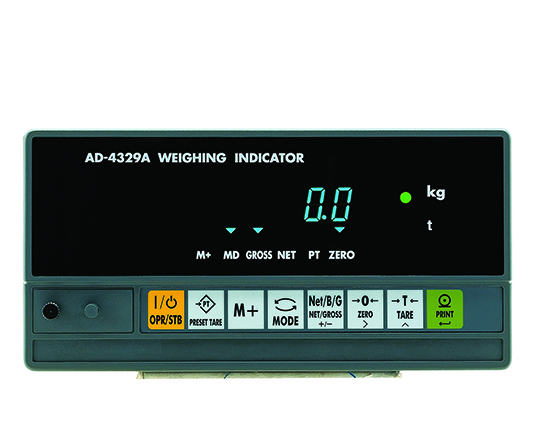


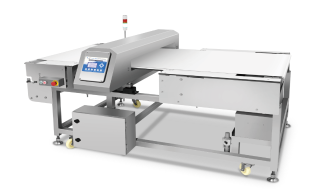

The core technology has always had its limitations and compromises such as noise that can interfere with signals and product effect that can confuse a wet product with metal.Metal detectors are ubiquitous in food processing facilities.
They are most commonly used at the end of the line and as the last line of defense to support food quality and safety before a packaged product is on its way to the consumer.Thermo FIsher Scientific is one of the most trusted brands in the world as seen through their mission and Apasi is the exclusive distributor in the Philippines.
For more info on our available Thermofisher Checkweigher, Metal Detector and X-Ray Inspection System , check our APASI PH product section or contact us at 0917-882-7274 | 0918-882-7274