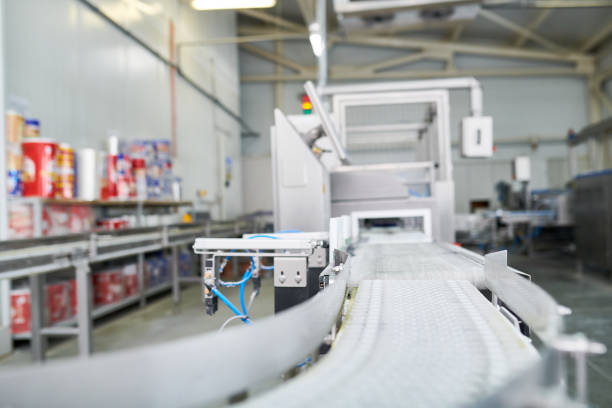
Ensuring food safety and product quality is one of the most critical responsibilities for food manufacturers and processors. With increasingly stringent regulatory standards, higher consumer expectations, and complex product formulations, food companies are turning to advanced technologies for contaminant detection and quality control. Among these, food X ray inspection systems have emerged as indispensable tools — capable of non destructively detecting foreign objects and ensuring product integrity throughout production lines.
In 2025, innovation in this field is accelerating rapidly. From artificial intelligence (AI) augmentation and dual energy imaging to enhanced hygiene designs and industry wide connectivity, the latest food X ray inspection systems are transforming how manufacturers safeguard brands, reduce waste, and maintain compliance.
Why X Ray Inspection Matters in Food Safety
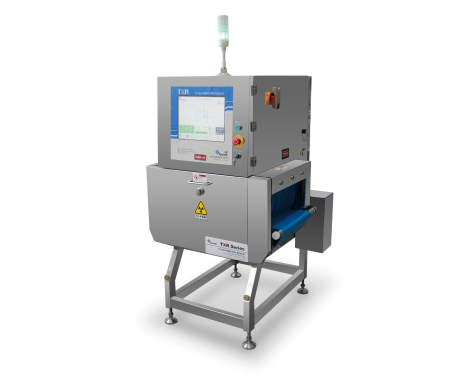
Traditional inspection methods such as metal detection or manual sampling have limited sensitivity and can miss contaminants that are non metallic or embedded within dense products. Food X ray inspection systems address these limitations by using high energy X rays to penetrate food products and reveal internal defects and foreign objects — from metal, glass and stone to bone fragments and plastic debris — without damaging the product.
These systems are vital for a wide range of applications including meat, poultry, bakery, ready meals, dairy, seafood, and packaged foods. As regulatory frameworks like HACCP and FSSC 22000 continue to evolve, the demand for sophisticated X ray inspection solutions increases accordingly, driving rapid innovation across the industry.
1. Dual Energy X ray Imaging for Enhanced Detection
One of the most notable recent trends is the adoption of dual energy X ray inspection systems. Unlike traditional single energy systems, dual energy technology evaluates how materials attenuate X rays at two different energy levels. This capability allows the system to distinguish between products and contaminants much more effectively — especially for low density foreign bodies like bone, rubber, or soft plastics that might otherwise go undetected.
For example, Ishida’s next generation IX PD system uses advanced sensor and image processing technologies to achieve near 100% detection rates for bones in chicken, sliced meats, and sausages by leveraging dual energy algorithms and high resolution imaging — substantially improving safety outcomes compared to older X ray systems.
Key benefits of dual energy systems include:
• Superior detection of low density contaminants
• Reduced false rejects and improved throughput
• Better performance on densely packed or overlapping products
• Enhanced distinction between food and foreign objects
By integrating dual energy techniques, manufacturers can maintain high line speeds without compromising detection accuracy — a crucial advantage for high volume production environments.
2. Artificial Intelligence and Machine Learning Integration
Artificial intelligence (AI) is no longer a nice to have — it’s becoming standard in leading X ray inspection systems. Modern solutions integrate AI based algorithms that enhance imaging performance beyond static rule based detection. By training models on real production data, these systems can adapt to specific product characteristics and contamination scenarios unique to a facility.
Sesotec’s RAYCON D+ TX X ray inspection system, for example, combines high resolution imaging hardware with AI powered THiNK Technologies to significantly improve detection performance on fast production lines, particularly for challenging low density contaminants.
How AI enhances X ray inspection:
• Improves contrast and signal clarity for small or subtle contaminants
• Reduces noise and false positives, saving good product from unnecessary rejection
• Enables adaptive detection models tailored to product variations
• Facilitates real time learning and on site model refinement
By fusing AI with advanced imaging, processors gain smarter and more reliable inspection capabilities — translating to fewer recalls and higher operational efficiency.
3. Hygiene First Designs for Food Production Lines
Food safety extends beyond contaminant detection — it includes equipment design that supports sanitation, cleanability, and compliance with hygienic manufacturing standards. Recent innovations reflect this priority with X ray systems that feature hygienic conveyor designs, tool free cleaning options, and wash down readiness for harsh production environments.
For instance, new conveyor systems designed for modern X ray inspection lines eliminate hollow profiles and incorporate smooth, streamlined surfaces that reduce microbial harborage points, meeting stringent hygiene requirements in sectors such as meat, poultry, and dairy processing.
Key hygiene enhancements:
• Tool free removable covers and guide rails
• IP66/69K rated hardware for wash down environments
• Design elements that minimise buildup of food debris
• Materials and finishes compliant with food grade sanitation standards
These improvements not only enhance food safety but also simplify cleaning routines — reducing downtime and supporting regulatory audits.
4. Connectivity, Automation & Industry 4.0 Integration
Today’s leading X ray inspection solutions are no longer islands on the production floor. They’re connected nodes in an Industry 4.0 ecosystem, capable of exchanging quality data in real time, integrating with manufacturing execution systems (MES), and feeding into enterprise reporting tools.
• Industry Standard Interfaces: Protocols such as OPC UA, MQTT, or REST API enable seamless integration with plant IT environments, enriching traceability and process control.
• Remote Monitoring & Analytics: Connected systems can transmit performance metrics, inspection results, and alert conditions to central dashboards, enabling predictive maintenance and proactive interventions.
• Automated Reporting: AI enhanced software can generate compliance documentation and sensitivity analyses automatically, reducing manual administrative workloads.
For manufacturers aiming to modernise their quality control workflows, connectivity and automation are major game changers — enabling smarter, more proactive, and less labour intensive operations.
5. Expanded Functionality Beyond Contaminant Detection
While foreign object detection remains the core function of X ray inspection systems, many of today’s state of the art solutions incorporate complementary quality analysis features, such as:
• Missing item detection: Ensures all required components (e.g., utensils, product pieces, labels) are present.
• Weight estimation: Verifies consistent fill weights, reducing packaging defects.
• Shape and dimensional checks: Detects deformities or irregularities in product or packaging.
This multi purpose inspection capability transforms X ray systems into complete quality assurance platforms — helping manufacturers enforce product standards and minimise waste from multiple angles.
6. Improved Safety and Operator Experience
Modern X ray systems also prioritise operator usability and safety. Large, high definition touchscreens, user centric interfaces, and intuitive control software make setup and operation easier for plant personnel. Secure RFID based access, audit ready logging, and guided validation help companies meet strict internal and external audit requirements while reducing reliance on highly specialised technicians.
These enhancements lower the barrier to adopting advanced inspection solutions, making them more accessible to a broader range of food producers.
Conclusion: The Future of Food X ray Inspection
The latest innovations in food X ray inspection systems reflect a broader shift toward intelligent, connected, hygienic, and highly accurate quality assurance technologies. From dual energy imaging and AI driven detection to hygiene centric designs and real time connectivity, these advancements help food manufacturers minimise risk, reduce waste, and maintain consumer trust in an increasingly competitive market.
As regulatory demands tighten and consumer expectations rise, investing in cutting edge X ray inspection technology is no longer optional — it’s fundamental to modern food production. Whether you’re producing fresh meats, packaged snacks, or complex ready meals, the latest X ray inspection solutions deliver the accuracy, reliability, and traceability required to stay ahead in 2025 and beyond.