





Summary
Intraoral ceramic repair restores chipped or fractured restorations without full replacement. Dentists can achieve strong adhesion, aesthetic results, and patient comfort by using high-quality ceramic repair materials and a reliable ceramic repair kit in India. Success depends on proper surface treatment, material compatibility, and precise bonding protocols for long-lasting, predictable outcomes.
Ceramic restorations, including crowns, veneers, inlays, and onlays, are widely appreciated for their aesthetic appeal, durability, and biocompatibility. However, even the most carefully placed ceramic restoration can experience chipping, fracture, or debonding due to functional stress, trauma, or improper occlusion. When such issues arise, clinicians often face a choice: replace the restoration entirely or repair it intraorally. This is where ceramic repair kit and ceramic repair materials in India play a pivotal role in modern dentistry.
What is Intraoral Ceramic Repair?
Intraoral ceramic repair involves restoring a damaged ceramic restoration directly in the patient’s mouth, without removing it. This approach offers several advantages:
- Minimally invasive treatment
- Reduced cost compared to full replacement
- Immediate restoration of function and aesthetics
- Less time-consuming for both dentist and patient
However, not all repair materials or kits deliver consistent results. Clinicians must consider the type of ceramic, the extent of damage, and the chemical compatibility of the repair material with the existing restoration.
Types of Ceramic Repair Materials
Composite-Based Repair Materials
Composite resins are the most commonly used materials for intraoral ceramic repair. They bond chemically to treated ceramic surfaces and provide excellent aesthetic outcomes. Key advantages include:
- Versatility in shade matching
- Ease of handling
- Adequate mechanical strength for small to moderate repairs
Silane-Coupling Agents
Silane primers enhance bonding between the ceramic surface and composite repair material. They form a chemical link with the silica in glass-based ceramics, improving long-term adhesion. Using silane is especially important when repairing feldspathic porcelain or lithium disilicate restorations.
Universal Adhesives
Universal adhesives simplify the bonding process by combining etching, priming, and bonding steps in a single application. While convenient, clinicians must ensure compatibility with the ceramic type to avoid weak adhesion.
Zirconia-Specific Repair Systems
Zirconia is chemically inert and does not bond with traditional silane or composite resins. Specialised primers and repair kits designed for zirconia provide reliable adhesion, often containing phosphate monomers like MDP (10-Methacryloyloxydecyl dihydrogen phosphate).
Ceramic Repair Kit India: Components and Benefits
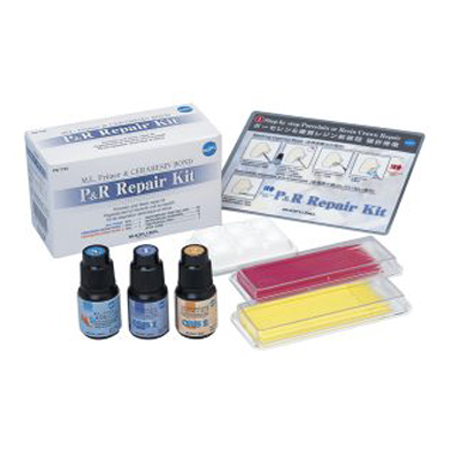
A typical ceramic repair kit in India contains:
- Etching gels or pastes
- Silane coupling agents
- Bonding or adhesive resins
- Flowable or packable composite for the repair
- Polishing and finishing tools
The benefits of using a complete repair kit include:
- Standardised, proven protocols for reliable outcomes
- Optimised compatibility between primer, adhesive, and composite
- Reduced chairside errors and procedure time
Using a certified repair kit from a reputable supplier ensures predictable bonding, superior aesthetics, and long-lasting results.
What Works: Best Practices for Successful Ceramic Repair
Surface Preparation
Proper surface treatment is critical for adhesion. For glass-based ceramics, etching with hydrofluoric acid followed by silanisation improves bond strength. Zirconia surfaces may require sandblasting or application of a zirconia-specific primer.
Choosing the Right Material
Match the repair material to the type of ceramic. Composites paired with silane work well on feldspathic porcelain, while MDP-containing adhesives are ideal for zirconia.
Incremental Application and Curing
Apply repair composites in small increments to reduce shrinkage and achieve optimal curing. Use a proper light-curing protocol as recommended by the manufacturer.
Polishing and Finishing
After curing, polish the repair to restore natural anatomy and smooth margins. Proper finishing reduces plaque accumulation and ensures long-term success.
What Doesn’t Work: Common Pitfalls
Skipping Surface Treatment
Directly bonding a composite to untreated ceramic drastically reduces repair longevity and increases the risk of debonding.
Using Incompatible Materials
Not all composites and adhesives work for every ceramic type. For example, silane alone will not bond effectively to zirconia, and using generic adhesives may result in failure.
Neglecting Proper Curing
Incomplete curing of resin composites compromises mechanical strength and wear resistance, leading to early failure.
Overlooking Occlusal Adjustments
Failing to check and adjust occlusion after repair can place excessive stress on the repaired area, causing cracks or fractures to reappear.
Invest in High-Quality Ceramic Repair Kits for Long-Lasting Restorations
Intraoral ceramic repair is a cost-effective and minimally invasive solution for restoring fractured or chipped restorations. Using high-quality ceramic repair materials and a well-equipped ceramic repair kit in India ensures reliable bonding, aesthetic results, and patient satisfaction.
Success depends on understanding the type of ceramic, proper surface preparation, selecting compatible materials, and following a precise bonding protocol. By adhering to these best practices and avoiding common pitfalls, dental professionals can extend the life of ceramic restorations, reduce patient discomfort, and improve overall treatment efficiency.
Investing in trusted repair materials and kits not only enhances clinical outcomes but also reinforces a dentist’s reputation for providing precise, aesthetic, and long-lasting restorative care.

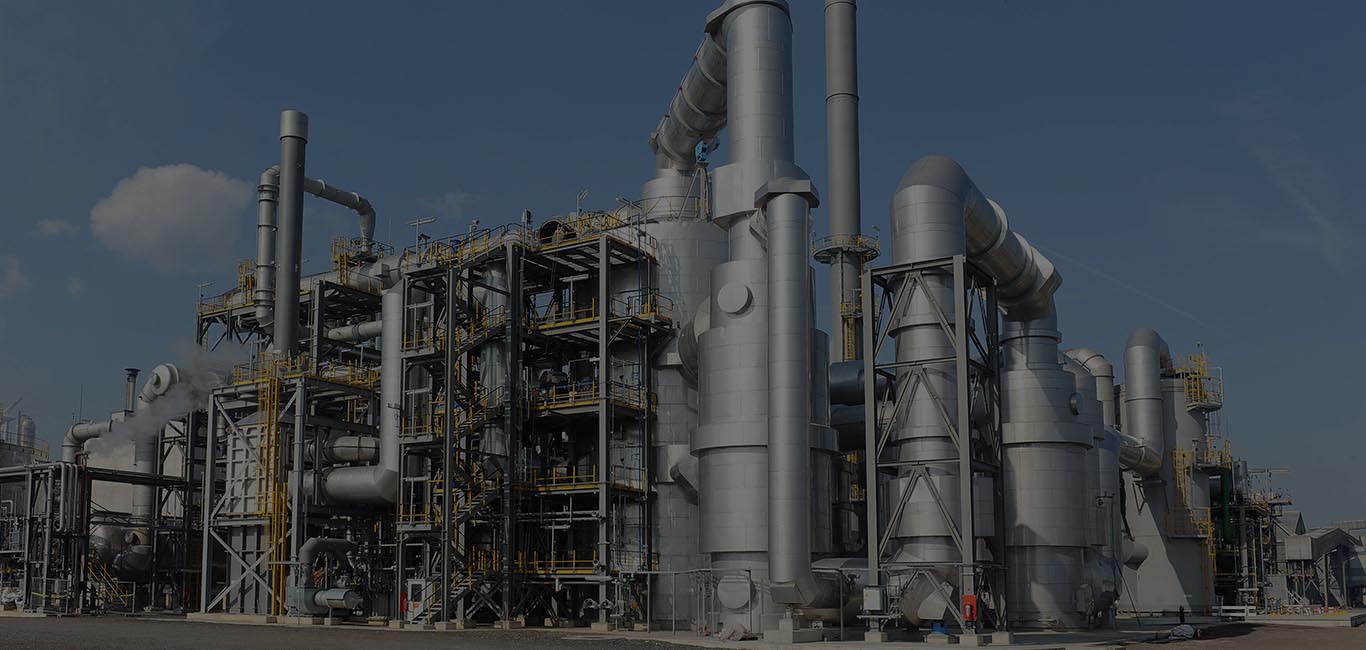
Tower packing is a form of compression sealing preventing materials from moving between two points.
Most tower packing is constructed with ceramic saddles and seals running up and down the inner diameter, making it a cylindrical labyrinth seal.Ceramic Saddle RingThe Ceramic Saddle Ring has a unique shape with the circumference at its mid-point slanting inwards.
This feature allows it to play a vital role in enabling people to identify the geometry of the ring when it is placed on the top of a glass.
The glass will be prevented from toppling down in case of a vacuum caused by slight unevenness.Ceramic Cascade RingThe ceramic tower develops in a cascade of rings held together by the invisible forces of moisture and temperature.
The method to create the identical thin clay slabs involved in this ring is an established technique.
When they are stacked, they form a compacted solid mass of clay.Ceramic BallsThe ceramic ball packing consists of two components: an inner ball and an outer ring.

Ceramic tiles manufacturers in india - Sanitary Tiles is a global market and is a recurring and never ending business environment.
There have been tremendous amount of changes and development which has made this industry quite modern.
Ceramic Tiles Manufacturers In India.