




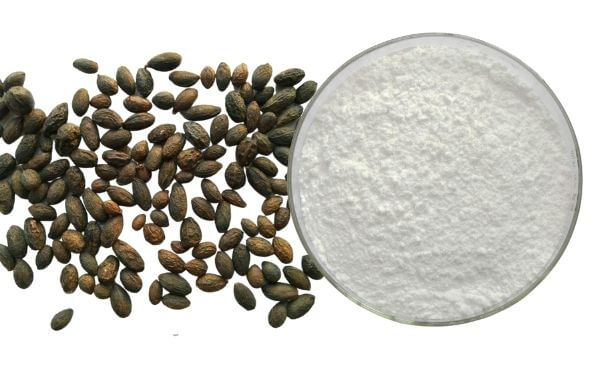
In the world of botanical extracts, few ingredients carry the weight of recognition and demand that Serenoa Repens does. Commonly known as Saw Palmetto, its extract has become a cornerstone of men's health supplements, primarily targeted at supporting prostate wellness. While the low-growing palm itself is native to the American Southeast, a significant portion of the global supply chain for its concentrated, fatty acid-rich extract runs through China. For brands and formulators, sourcing Serenoa Repens Extract wholesale from Chinese suppliers presents a distinct, technically-driven landscape. This isn't about discovering a secret or a simple purchase; it's about navigating a sophisticated and specialized manufacturing sector to secure a critical active ingredient.
To understand the supply chain, one must first clarify the ingredient itself. The therapeutic value of Serenoa Repens is largely attributed to its unique profile of free fatty acids and sterols. High-quality extracts are standardized to contain 85-95% of these total lipids. It is this specific fatty acid fraction—comprising lauric, oleic, myristic, and palmitic acids—that is the subject of extensive research and the marker of a potent, effective product. When sourcing, the term "Serenoa Repens Extract Fatty Acid" isn't a vague category; it's a precise technical specification demanding rigorous verification.
China's role in this market is one of industrial refinement and scale. The country has developed deep expertise in the advanced extraction and purification technologies required to produce these high-concentration extracts. Raw Saw Palmetto berries, harvested in the United States, are often shipped to Chinese facilities equipped for large-volume, cost-effective processing. The core competency offered by leading Chinese suppliers lies in their ability to consistently isolate and concentrate that critical fatty acid fraction using methods like CO2 supercritical extraction or solvent-based extraction followed by meticulous purification. For a global brand needing metric tons of a standardized ingredient, this scale and technological focus is a powerful draw.
However, this industrial scale also defines the sourcing challenge. The market is stratified. On one end, there are producers of exceptionally pure, analytically verified extracts. On the other, there are suppliers offering diluted, adulterated, or poorly processed powders and oils that fail to meet label claims. The difference between them is not always apparent in a price list, but it becomes starkly clear in a laboratory analysis. Therefore, sourcing becomes an exercise in technical due diligence.
The dialogue with a potential Chinese supplier must move immediately to specifications and proof. Here are the non-negotiable points of focus:
Certificates of Analysis (CoA): A supplier's in-house CoA is a starting point, but it is only a starting point. The crucial document is the third-party CoA from an internationally recognized lab. This analysis must confirm:
Fatty Acid Concentration: Verification of 85%, 90%, 95% or other specified total fatty acid content.
Chromatographic Profile: A Gas Chromatography (GC) trace showing the specific fatty acid fingerprint (the ratios of lauric, myristic, oleic, etc.), proving authenticity and correct species.
Contaminant Screening: Comprehensive testing for heavy metals, pesticide residues, microbial counts, and residual solvents (if applicable).
Standardization and Form: Is the extract a viscous, golden oil (typical of CO2 extraction) or a spray-dried powder? The powder form, often using a carrier like maltodextrin for stability, must still guarantee the active fatty acid percentage in the final delivered material.
Manufacturing Audits: While not always possible for every buyer, inquiring about a supplier's compliance with international quality standards—such as ISO 9001, GMP (Good Manufacturing Practice) for dietary supplements, or even FDA registration—separates serious manufacturers from traders. Many reputable suppliers can provide audit reports or detailed documentation of their quality control processes.
For a brand, successfully sourcing high-grade Serenoa Repens Fatty Acid Extract from China is a significant strategic advantage. It allows for the creation of products with a strong, science-backed selling proposition. You can confidently communicate the standardized potency to consumers, supporting claims related to prostate and urinary health. It provides the consistent, reliable backbone for a product line where efficacy and trust are paramount.
Ultimately, the wholesale journey for this ingredient is a move from commodity purchasing to technical partnership. It requires a shift in mindset: you are not just buying "Saw Palmetto Extract," you are procuring a defined, analytically confirmed complex of fatty acids. The most reliable Chinese suppliers understand this language. They welcome detailed questions, provide transparent data, and offer samples for your own verification. In a market where ingredient integrity is everything, this rigorous, evidence-based approach to sourcing from China's specialized supply chain is what protects your brand and delivers genuine value to the end consumer. It’s a process built not on promises, but on reproducible chromatograms and certified numbers.
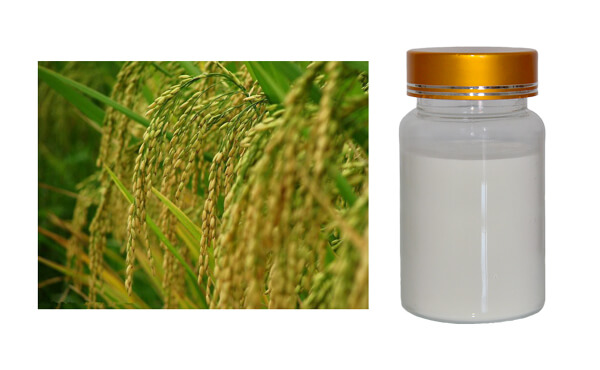
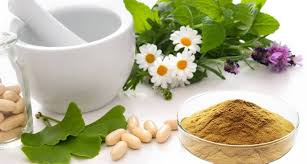
Even at present the demand for plant based medicine is up.
Though the modern day’s technology has helped a lot to produce different modern day’s medicines, still the plant based medicines are delivering a great outcome for the users.
If you are one among them, then Ever For Ever Bio is all set to bring the best plant extracts for you.
As the leading tribulus terrestris extract supplier, this online store has managed to draw most attention.
So, before you go for any of these extracts, you should take a look at why they are used and what sort of health benefits one can receive.So, first of all we will have a look at the tribulus terrestris extract!
Tribulus terrestris is the plant which produces the fruits that mostly remains covered with the spine.
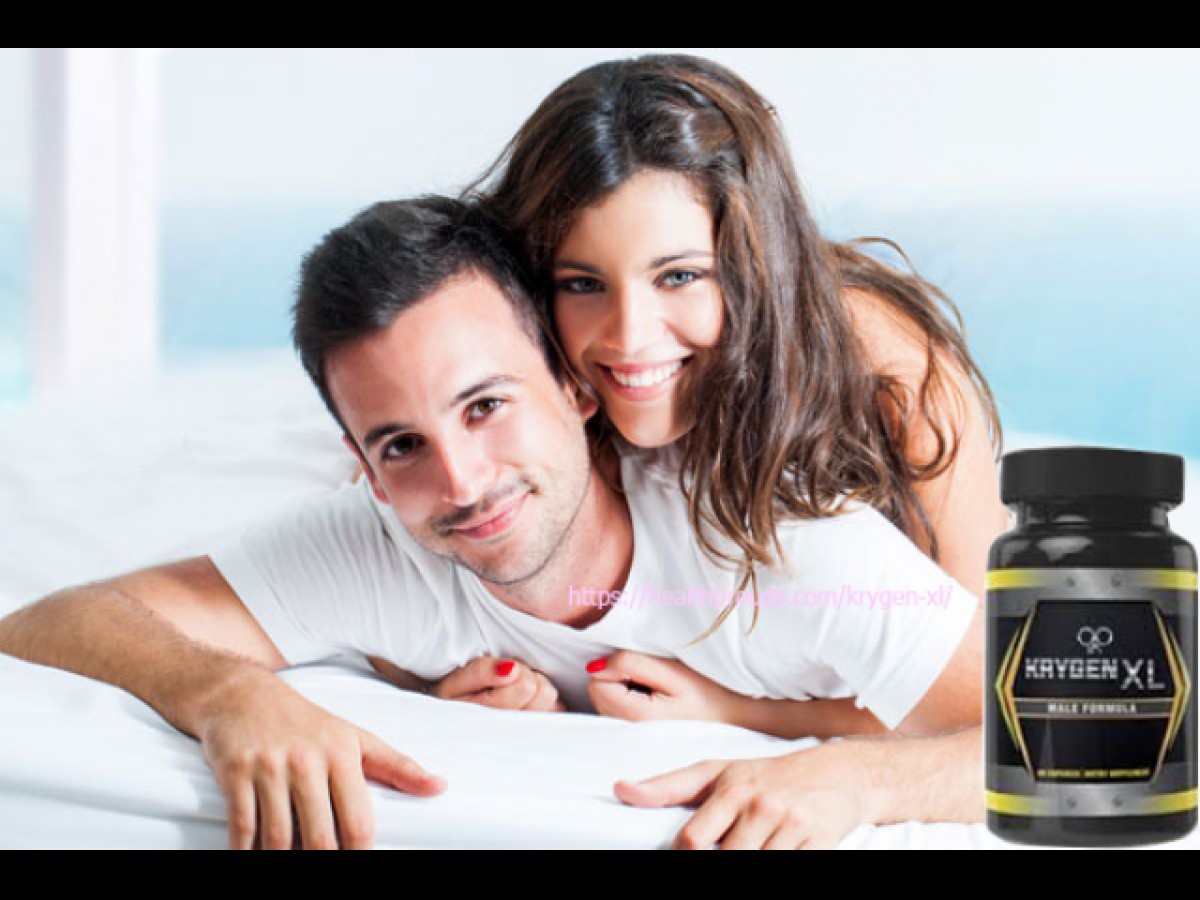
Your search for that right and effective supplement which has been made using all natural ingredients and helps to boost your testosterone levels is over.
I would like to introduce you to Krygen XL which is a testosterone boosting supplement that supports healthy levels of free testosterone in the body to improve your vitality, virility and enhance your overall performance levels.
After you intake the caplets of Krygen XL, the formula permeates your bloodstream and spreads throughout the body to optimize the levels of free testosterone which helps you to feel more energetic, decreases body fat while maintaining lean muscle mass and provides increased 3exual drive and performance to perform at your peak in the bedroom.
FlowViv MAX-TEST Blend which includes:
Tongkat Ali Extract 100:1 (root)
Boron as Boron Amino Acid Chelate

Well, of course it’s prescription-free, this is the internet, not a doctor’s office.
Of course, it’s only natural to want to avoid that conversation.
If you do want to try out this supplement, you must act quickly.
Well, no review is going to cover those personal questions for you.
Consider the trial a sort of test drive, too (read the Terms and Conditions).
And, like we said, grab your Testo Bull Capsules trial fast, or they’ll all sell out!Testo Bull Male Enhancement Details:Marketed As An All-Natural FormulaEach Pack Comes With 60 CapsulesTrial Offer For First-Time CustomersSupplies Limited So Must Act QuicklyOnline Only Offer, Not Found In StoresTesto Bull IngredientsSo, this product is marketed as a natural male enhancement pill.