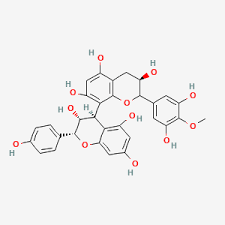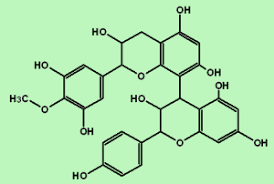


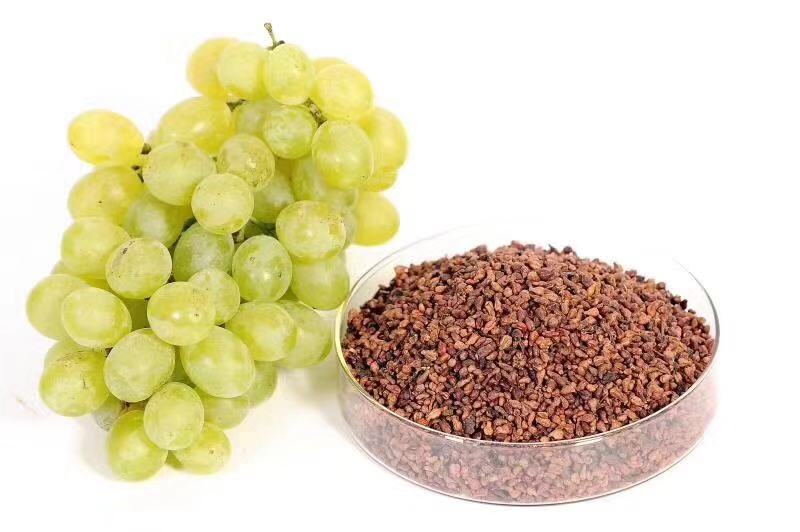
If you have been sourcing botanical ingredients for any length of time, you have probably crossed paths with Oligomeric Proanthocyandins—better known as OPC. It is the powerhouse compound hiding inside grape seed extract, and it has quietly become one of the most requested raw materials in the supplement and skincare industries. China produces the vast majority of it. Here is what the wholesale market actually looks like in 2026.
The Market in Numbers
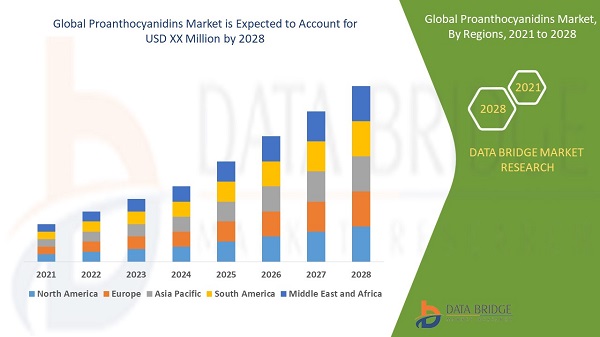
Let us start with the scale. OPC belongs to a broader category called proanthocyanidins, and the numbers are substantial. According to a report from the market research firm NewSijie, the global proanthocyanidin market is expected to grow from about USD 620 million in 2025 to roughly USD 970 million by 2029, which works out to a compound annual growth rate of 9.4%.
China is the production hub. In 2023 alone, China’s domestic proanthocyanidin output reached 396.8 tons, with a market size of about RMB 32.8 million (approximately USD 4.5 million). And the raw material base keeps expanding—China’s grape harvest hit 16.16 million tons in 2023, up by a solid 5.13% from the previous year. That gives local manufacturers a steady supply of grape seeds to work with.
So why OPC specifically? OPC refers to the smaller molecules in the proanthocyanidin family—typically dimers, trimers, and tetramers—which are more bioactive and easier for the body to absorb than their larger polymer counterparts. That is the good stuff, and that is what buyers are after.
Who the Major Suppliers Are
If you are searching for OPC wholesale suppliers, you will notice a clear geographic pattern. Most of them are clustered in and around Xi’an, Shaanxi Province, a city that has quietly become a global hub for botanical extraction. That region, along with Shandong, houses dozens of manufacturers who specialize in grape seed and pine bark extracts.
Here are a few established names worth looking at:
Xi’an Tianyi Biotech Co., Ltd. lists grape seed extract OPC at RMB 240 per kilogram for 95% content UV detection, with applications spanning both nutraceuticals and cosmetics.
Shaanxi Haochen Biotech Co., Ltd. offers 95% proanthocyanidin powder at RMB 180 per kilogram for smaller orders, dropping to RMB 150 per kilogram for quantities above 1,000 kg.
Shanghai Dinghe Biotechnology Co., Ltd. quotes tiered pricing for 95% OPC: RMB 170 per kg for 1–25 kg, RMB 150 for 25–1,000 kg, and RMB 140 for orders exceeding 1,000 kg.
Bioway (Xi’an) Organic Ingredients Co. has developed an interesting niche product: Oligomeric Proanthocyanidins Liposome (OPCL), which uses liposome technology to boost absorption of OPCs for dietary supplements.
Changsha Herbal Ingredient Co. lists 95% OPC powder with a minimum order quantity of just 5 kg, which is useful for smaller buyers.
Beyond grape seeds, pine bark is another major source. Search 1688.com or Alibaba, and you will see multiple Xi’an-based factories offering pine bark OPC at 95% purity with cosmetics-grade certifications.
Understanding the Pricing
Pricing for wholesale OPC depends heavily on purity, order volume, and whether you are buying standard extract or something more specialized.
For standard 95% OPC (grape seed origin, UV detection), here is what you can expect:
Small wholesale lots (1–25 kg): RMB 170–240 per kilogram (approximately USD 23–33)
Mid-sized orders (25–1,000 kg): RMB 150–170 per kilogram (approximately USD 20–23)
Large bulk orders (1,000+ kg): RMB 140–150 per kilogram (approximately USD 19–20)
Keep in mind that laboratory-grade reference standards for OPC—the kind researchers buy for analytical work—can run much higher. For example, a 100 mg vial of analytical-grade OPC might cost around RMB 1,796. That is not wholesale pricing; it is a completely different category.
For specialized liposomal OPC, expect a premium. Liposome formulations are designed to improve bioavailability, and Bioway’s OPCL product is standardized to contain 80% smaller OPC molecules with enhanced absorption characteristics.
What Makes OPC So Popular?
The antioxidant power of OPC is the main selling point. Lab studies consistently show that OPC can be 20 times more potent than vitamin C and up to 50 times more potent than vitamin E when it comes to neutralizing free radicals. That kind of efficiency is why so many formulators reach for it.
Beyond general antioxidant claims, OPC has some well-researched applications:
Skincare and anti-aging: OPC helps protect skin cells from UV damage and supports collagen structure. Clinical research has demonstrated that topical formulations containing OPC can help protect against free-radical-mediated skin inflammation and increase skin hydration. More recent ingredient innovations, such as Cosmythic Inbio-T, have been shown in randomized double-blind placebo-controlled studies to visibly reduce dark spots and improve skin firmness, elasticity, and wrinkles.
Cardiovascular support: OPC may help support blood vessel elasticity and promote healthy circulation.
Nutraceuticals and sports nutrition: OPC is a standard ingredient in antioxidant-focused supplement blends.
The liposome delivery format is a newer twist. By encapsulating OPCs within liposomes, manufacturers claim to significantly improve bioavailability, making the ingredient more effective at lower doses.
Practical Advice for Sourcing OPC from China
If you are ready to contact Chinese suppliers for bulk OPC, here is what you should keep in mind:
1. Clarify your specification upfront. “OPC” is sometimes used interchangeably with “total polyphenols,” but they are not the same thing. Get a Certificate of Analysis for the specific batch—it should clearly state the OPC content, usually determined by UV spectrophotometry, along with moisture, heavy metals, and microbial data.
2. Ask about raw material origin. Grape seed sources vary, and the variety of grape affects the OPC profile. Some suppliers can provide this information; others may not track it closely.
3. Request samples. Even if the CoA looks good, test the material yourself before committing to a container-sized order.
4. Check for certifications. Depending on your target market, you may need ISO 9001, GMP, Halal, Kosher, or organic certifications. Most established Xi’an suppliers have at least some of these.
5. Watch for the “liposome” premium. If a supplier pitches liposomal OPC, understand that you are paying for technology, not just extract. It may be worthwhile for high-end nutraceutical lines, but for standard supplement applications, conventional OPC is perfectly fine.
The Bottom Line
China’s OPC market is mature, competitive, and production-ready. Prices are transparent, suppliers are numerous, and quality is generally good if you do your homework. Xi’an remains the epicenter of the industry, and whether you need a few kilograms for a pilot run or a full container for mass production, there is a Chinese supplier ready to talk. Just ask for that CoA, run your own tests, and start small. The rest will follow.
link:https://www.qherb.net/product/grape-seed-extract/