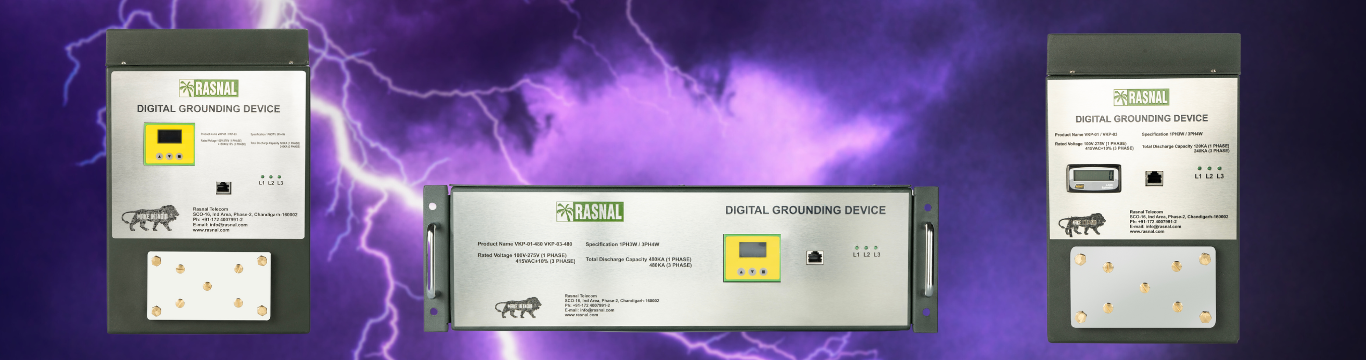
Electrical safety has rapidly evolved in the last decade. As systems become more complex and power loads increase, traditional earthing methods are no longer enough to meet the demands of modern infrastructure. This shift has created the need for a digital earthing system, a technology that improves reliability, reduces risk and ensures continuous monitoring. From telecom sites to industrial facilities and residential structures, digital earthing systems are becoming a new standard for safety.
This blog explains how a digital earthing system works, why it is superior to conventional methods, and how smart grounding solutions are transforming electrical protection across India.

What Is a Digital Earthing System
A digital earthing system is an intelligent grounding setup that monitors and measures earthing resistance in real time. Unlike traditional earthing that only provides passive protection, digital earthing uses sensors, microcontrollers and monitoring units to continuously track grounding performance. It alerts technicians if the resistance rises above safe levels and helps prevent electrical faults before they turn into failures.
This proactive approach improves overall electrical reliability for sensitive equipment such as telecom devices, energy systems, surveillance networks and industrial control units.
Why Traditional Earthing Is No Longer Enough
- Conventional earthing relies on manual testing and physical inspections. This results in several limitations:
- No live data about earthing resistance
- Delayed fault detection
- Higher chances of equipment failure
- Inconsistent safety levels during seasonal changes
- No protection against long term degradation
As infrastructure becomes smarter and more connected, these gaps lead to downtime and expensive damage. A digital earthing system eliminates these risks by giving continuous visibility into grounding performance.
How Digital Earthing System Improves Reliability
Digital earthing uses advanced grounding technologies combined with real time sensors. This allows the system to track the actual condition of the earthing network every second. If resistance increases due to corrosion, soil variation or mechanical damage, the system generates instant alerts. This real time earthing resistance measurement helps teams take corrective action quickly, ensuring consistent safety.
Smart grounding solutions reduce electrical hazards, improve equipment life and support uninterrupted operations.
Integration of IoT Based Earthing Monitoring
One of the biggest advantages of a digital earthing system is IoT integration. IoT based earthing monitoring allows data to be transmitted to central platforms or mobile apps where technicians can review all grounding parameters. This helps teams monitor multiple sites at once without physical visits.
- IoT based monitoring provides
- Cloud storage of performance records
- Automated alerts for deviations
- Remote access for technicians
- Predictive maintenance insights
For telecom, energy and industrial companies managing several locations, this capability significantly reduces operational cost and risk.
Advanced Grounding Technologies for Modern Infrastructure
Digital earthing systems are built using advanced grounding technologies such as solid state sensors, microcontroller based evaluation circuits and long life electrodes. These components ensure higher accuracy in resistance measurement and greater stability under temperature or moisture variations.
With these technologies, modern earthing systems can adapt to different soil types, voltage fluctuations and load patterns without compromising safety. This makes them suitable for industrial plants, data centers, telecom towers, hospitals and smart buildings where uninterrupted power is essential.
Importance of Real Time Earthing Resistance Measurement
Real time measurement is the heart of a digital earthing system. Several technical issues can occur when resistance increases beyond acceptable limits. These issues include voltage instability, leakage currents, equipment malfunction, electric shock risk and surge amplification.
Continuous monitoring helps maintain the required resistance level at all times. It also supports evidence based maintenance instead of guesswork, ensuring better planning and reduced downtime. With accurate data, facilities can avoid electrical accidents and improve system longevity.
Digital Earthing in Electrical Safety Monitoring Systems
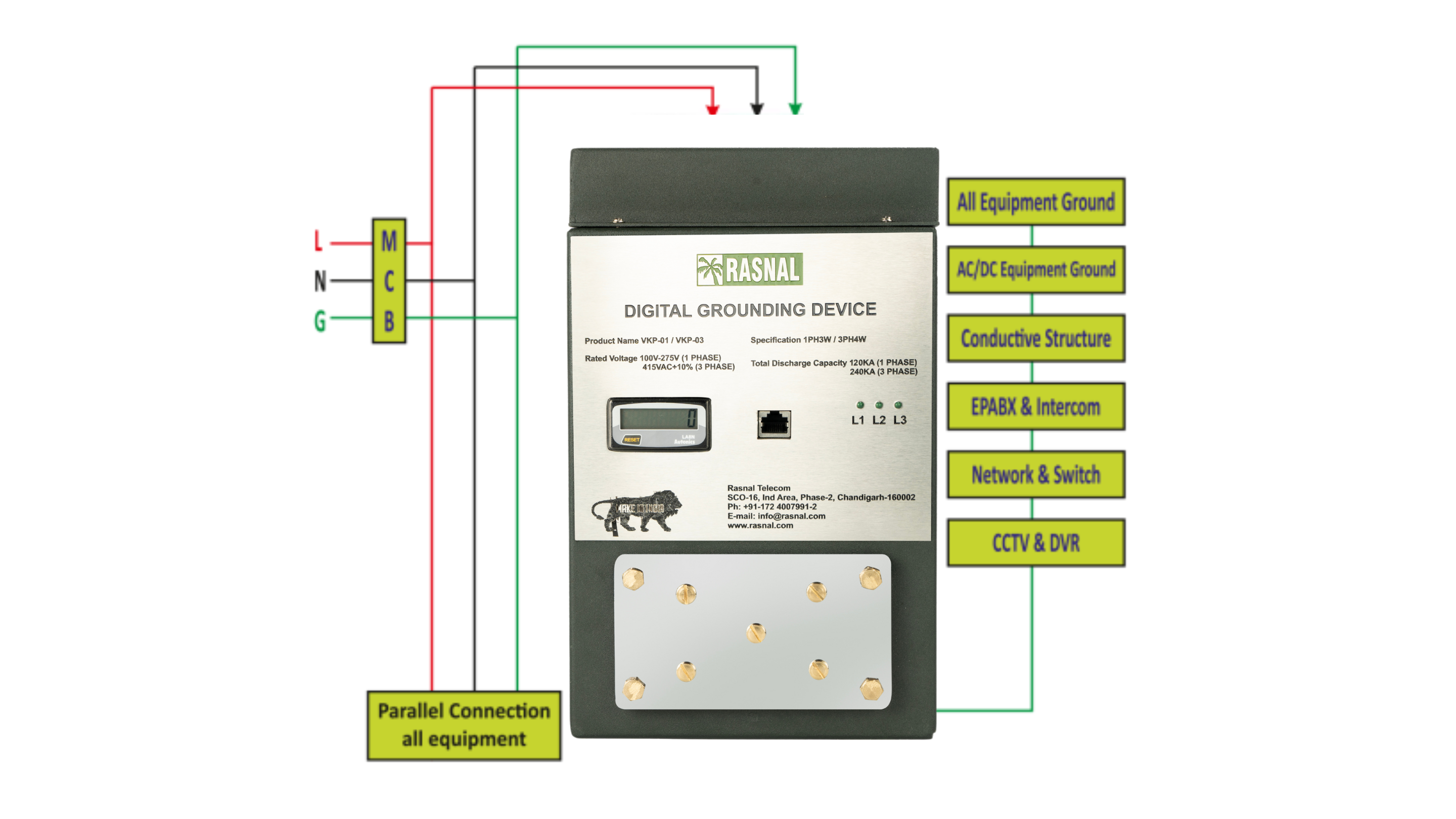
Digital earthing System integrates seamlessly with electrical safety monitoring systems. Together, they offer a complete approach to protection. While surge protectors, breakers and isolation units protect equipment from sudden events, a digital earthing system ensures that grounding remains effective throughout the year. This combination improves the overall safety of power and communication networks.
In critical environments like telecom stations, CCTV networks and power distribution rooms, this integrated monitoring reduces the chance of failure and helps engineers maintain stable operations.
Why Businesses Are Switching to Digital Earthing
- The shift toward digital earthing is driven by several key benefits:
- Improved electrical safety
- Reduced downtime
- Higher equipment lifespan
- Lower maintenance cost
- Continuous resistance monitoring
- Better compliance with safety standards
As industries move toward automation and digital infrastructure, smart grounding systems offer the reliability needed to support uninterrupted operations.
Rasnal and Its Role in Modern Earthing Solutions
Rasnal Telecom and Security, based in Chandigarh, provides advanced electrical safety solutions including digital earthing systems. With experience since 2003, the company specializes in telecom systems, security networks and smart electrical technologies. Rasnal focuses on building reliable grounding solutions suitable for homes, commercial buildings and industrial sites. Their systems are designed to meet modern safety standards and support long term performance.