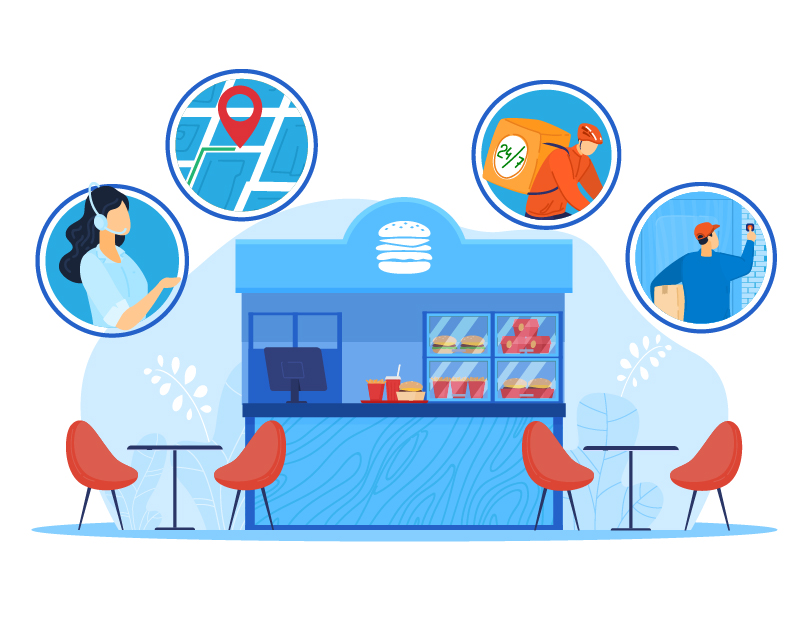



In the culinary world, your success is built on a foundation of exceptional food, impeccable service, and a welcoming atmosphere. But in today's hyper-connected world, a delicious dish is no longer enough to fill tables. The diner's journey now begins long before they walk through your door; it starts online. A potential customer's first impression isn't the aroma from your kitchen, but your restaurant's digital presence. For modern restaurateurs, a sophisticated digital marketing strategy is the most critical ingredient for attracting new guests, building loyalty, and ensuring long-term success in a crowded marketplace.
The Digital Storefront: Significance of Website Design
Your website is your digital storefront and your online menu, all in one. When a hungry customer searches for a place to eat, your website is where they decide whether you're worth a visit. A poorly designed, slow-loading, or outdated website can be as off-putting as a dirty table.
A high-impact restaurant website must be designed to whet the appetite:
Visuals are Everything: Invest in professional, mouth-watering photography of your signature dishes. Your website should make people hungry. Include videos of your chefs in action or a bustling dining room to convey the atmosphere of your restaurant.
Mobile-First is Non-Negotiable: The vast majority of customers will find you on their smartphones. Your website must be fully responsive, offering a seamless experience on any device. A clunky mobile site will lead to immediate bounce and a lost customer.
Essential Information at a Glance: Your menu, hours of operation, location with an embedded map, and a click-to-call phone number must be easy to find. If you take reservations, a simple online booking system is a massive advantage that can significantly increase bookings.
Getting Found on the Digital Map: SEO & GEO Keywords
A beautiful website is useless if no one can find it. Search Engine Optimization (SEO) is the practice of ensuring your restaurant appears at the top of Google when customers are searching for places to eat. This is your most powerful tool for driving foot traffic.
Your keyword strategy must be as targeted as your signature dishes.
Hyper-Local Keywords: Don't just target "restaurant." Think like a local customer. Use terms like "best pasta in [Your Neighborhood]," "family-friendly restaurant in [Your City]," or "romantic rooftop dining near [Landmark]."
Cuisine & Feature-Specific: Target customers looking for something specific: "authentic Mexican restaurant," "restaurant with live music," or "best brunch buffet in town."
Generative Engine Optimization (GEO): The future of search is conversational. Create content that answers complex questions. A blog post titled "A Foodie's Guide to the 5 Best Dishes to Try in [Your City]" or answering "What is the best restaurant for a first date?" can position you as a local authority and attract highly qualified traffic.
Building the Buzz: Social Media Marketing
Social media is your digital word-of-mouth, a powerful platform to build your brand, showcase your personality, and engage directly with your community.
Instagram and Facebook are Your Stage: These visual platforms are perfect for the food industry. Post high-quality photos of your dishes, daily specials, and behind-the-scenes content. Run contests and polls to encourage engagement. Share user-generated content (photos from your customers) to build social proof and a sense of community.
Engage, Don't Just Broadcast: Social media is a two-way conversation. Respond to comments and messages promptly. Acknowledge reviews, both positive and negative, in a professional and caring manner. This shows potential customers that you value their feedback and are committed to providing a great experience.
Targeting Hungry Customers and Nurturing Loyalty
Digital advertising allows you to move beyond waiting for customers and actively target them. Platforms like Facebook and Instagram Ads allow for incredible precision. You can run ads targeted to people within a specific radius of your restaurant, or those who have shown an interest in "fine dining," "pizza," or "vegan food."
However, attracting a new customer is expensive; retaining an existing one is profitable. Customer engagement is the key to building loyalty.
Online Reputation Management: Actively monitor and respond to reviews on Google, Yelp, Zomato, and TripAdvisor. A positive online reputation is one of your most valuable assets.
Build a Database: Use email marketing or a loyalty program to stay in touch with your best customers. Send them exclusive offers, announce new menu items, or invite them to special events. This turns happy customers into loyal regulars.
In conclusion, for a restaurant to thrive in the modern era, it must master both the kitchen and the digital realm. A comprehensive digital marketing strategy—combining a stunning website, intelligent SEO, vibrant social media, and a relentless focus on customer engagement—is the blueprint for not just surviving, but becoming a beloved local institution.
Of course, running a restaurant is a demanding, full-time job. Managing these complex digital channels while also overseeing operations can be overwhelming. This is where a strategic partnership can provide a significant competitive advantage. For restaurateurs looking to build a powerful digital presence and focus on what they do best—creating incredible food and experiences—expert help is available. SEOSpidy Web Solution, a premier Digital Marketing Company, offers bespoke strategies for the hospitality industry. As a leading website designer Gurgaon, they possess the expertise to build a stunning, high-performance digital platform that will make hungry customers choose you, every single time.



With increasing competition in the restaurant business, it is difficult to focus and manage everything on your own, which is why a restaurant business coach can help you achieve your required goals in a short period of time.Official Website: https://thebusybeeagency.com