A manual tailstock is an essential accessory used on lathes, rotary tables, and CNC machining centers to support long or heavy workpieces during machining. Understanding how a manual tailstock works helps machinists improve accuracy, stability, and surface finish while reducing vibration and tool wear.
What Is a Manual Tailstock?
A manual tailstock is a mechanically operated support unit positioned opposite the spindle or chuck. Unlike hydraulic or pneumatic tailstocks, it is controlled entirely by hand, making it simple, reliable, and cost-effective. Manual tailstocks are commonly used in turning, milling, drilling, and grinding operations where additional workpiece support is required.
How Does a Manual Tailstock Work?
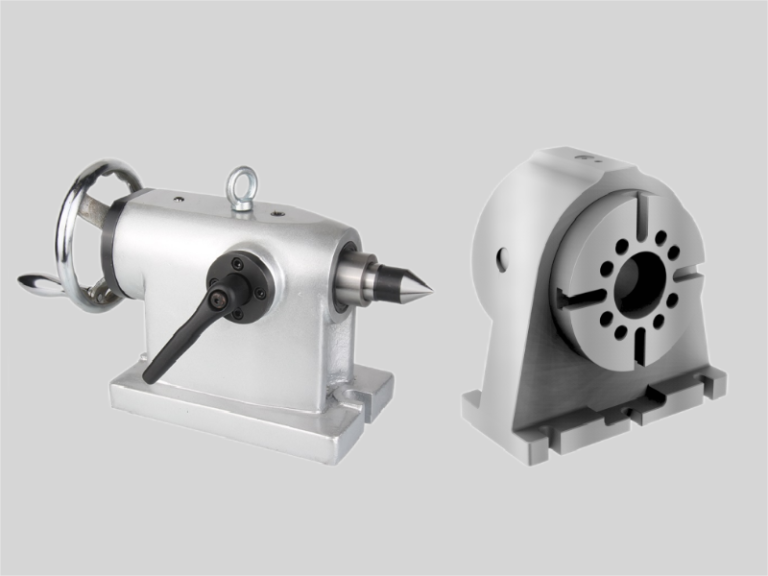
The working principle of a manual tailstock is straightforward. It consists of a rigid body, a quill (also called a spindle), a handwheel, and locking mechanisms.
Positioning the Tailstock
The manual tailstock is first aligned along the machine bed or mounted to a rotary table. The operator slides it into position to match the length of the workpiece. Once aligned, the base is securely locked to prevent movement during machining.
Extending the Quill
Turning the handwheel advances the quill forward. The quill typically holds a live center, dead center, drill chuck, or other tooling. As the handwheel rotates, the internal lead screw converts rotary motion into linear movement, allowing precise control of pressure against the workpiece.
Supporting the Workpiece
The tailstock center presses gently against the end of the workpiece, providing axial support. This prevents deflection, vibration, or bending—especially important when machining long shafts or heavy components.
Locking for Stability
Once the correct position and pressure are achieved, the quill lock is engaged. This ensures the quill remains stationary during cutting operations, maintaining consistent accuracy and surface quality.
Also Read: How to Get Perfect Support Every Time with a Manual Tailstock!
Key Components and Their Functions
- Tailstock Body: Provides structural rigidity and houses internal mechanisms.
- Quill (Spindle): Moves in and out to apply support or hold tools.
- Handwheel: Allows manual control of quill movement.
- Locking System: Secures both the quill and the tailstock base for stability.
Benefits of Using a Manual Tailstock
A manual tailstock offers several advantages in machining operations:
- Improves machining accuracy by reducing workpiece deflection
- Enhances surface finish and dimensional consistency
- Simple design with low maintenance requirements
- Ideal for both CNC and conventional machining setups
- Cost-effective solution for precision support
Applications of Manual Tailstocks
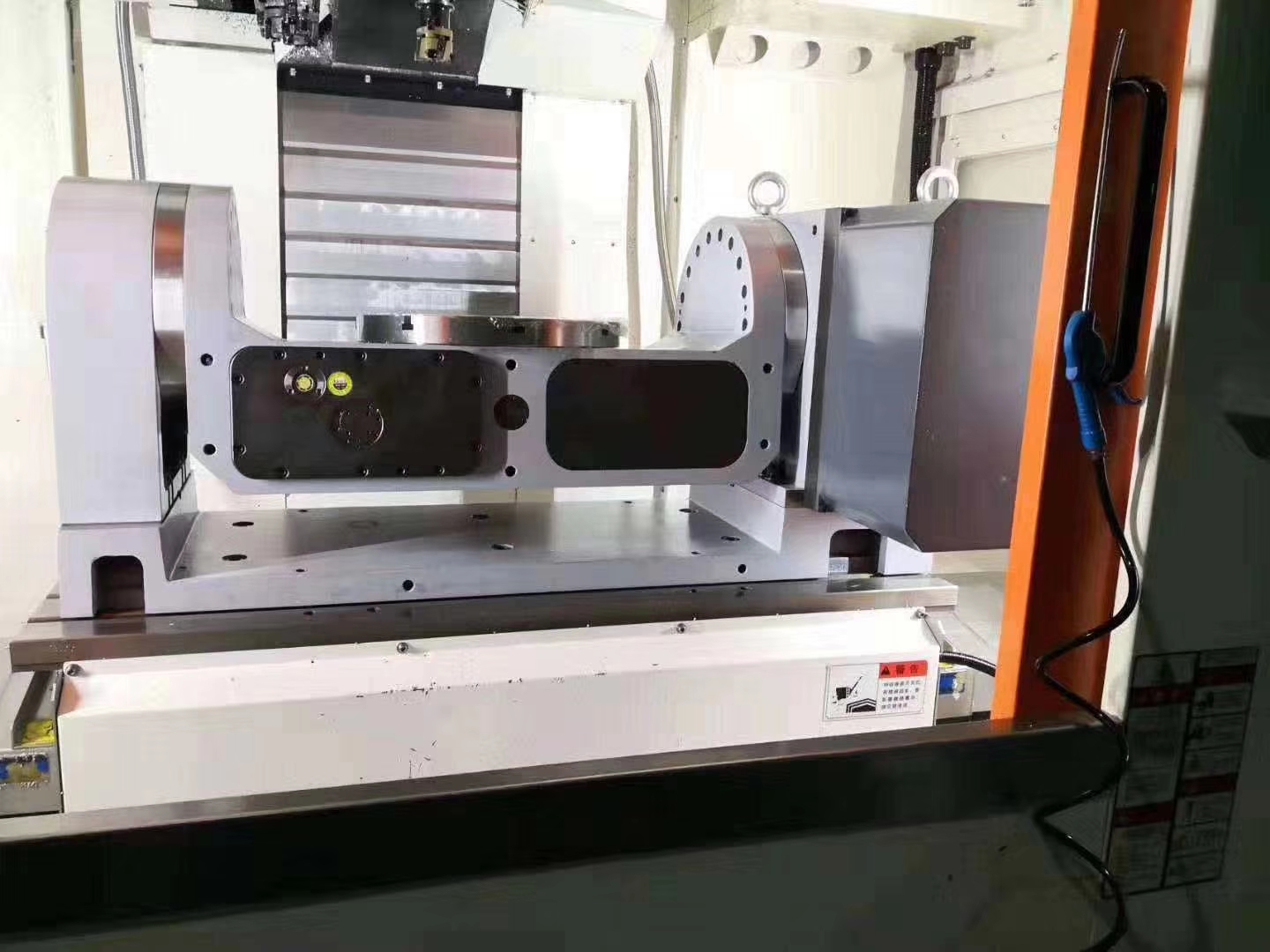
Manual tailstocks are widely used in CNC rotary tables, lathes, and milling machines. They are especially valuable for machining cylindrical parts, shafts, tubes, and components requiring centered drilling or turning.
Conclusion
Understanding how a manual tailstock works highlights its importance in achieving precise, stable, and reliable machining results. With its simple operation, robust construction, and versatility, a manual tailstock remains a vital tool for manufacturers seeking improved performance and durability in everyday machining tasks.
To read more details about the Manual Tailstock, click https://tinyurl.com/y6xjprp4 and call now at +86 180 9892 0890 today!