

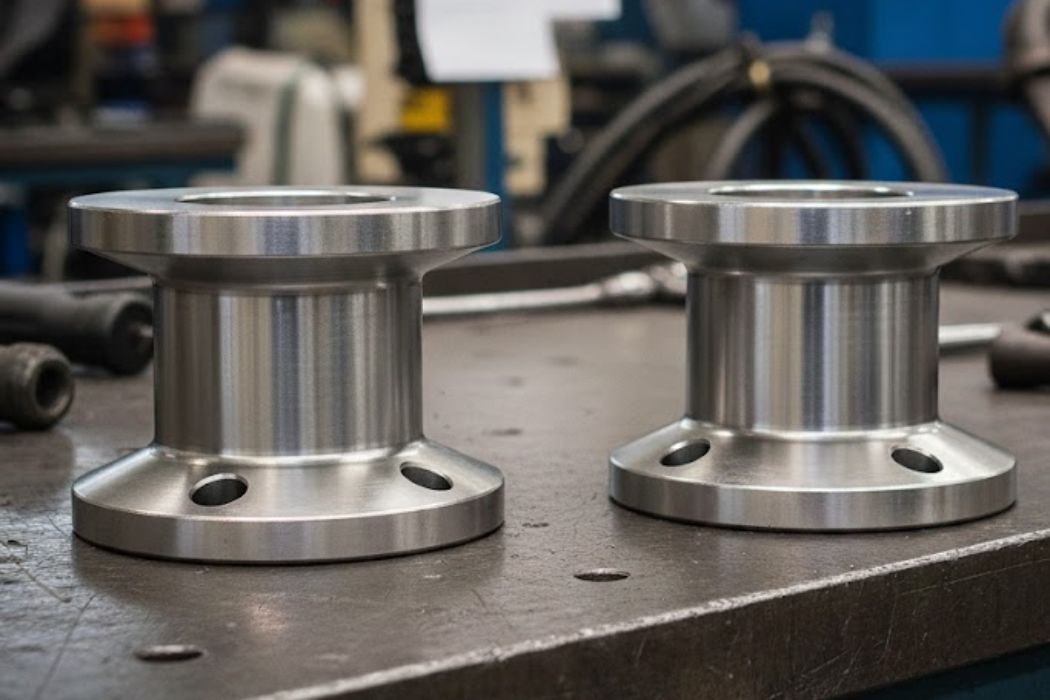
Marine diesel engines operate under demanding conditions. They run for long hours, carry heavy loads, and face constant exposure to heat, pressure, and harsh marine environments. Among the many components that ensure smooth engine operation, the piston crown plays a vital role. Its design, strength, and condition directly affect engine efficiency, reliability, and lifespan.
Understanding the Piston Crown
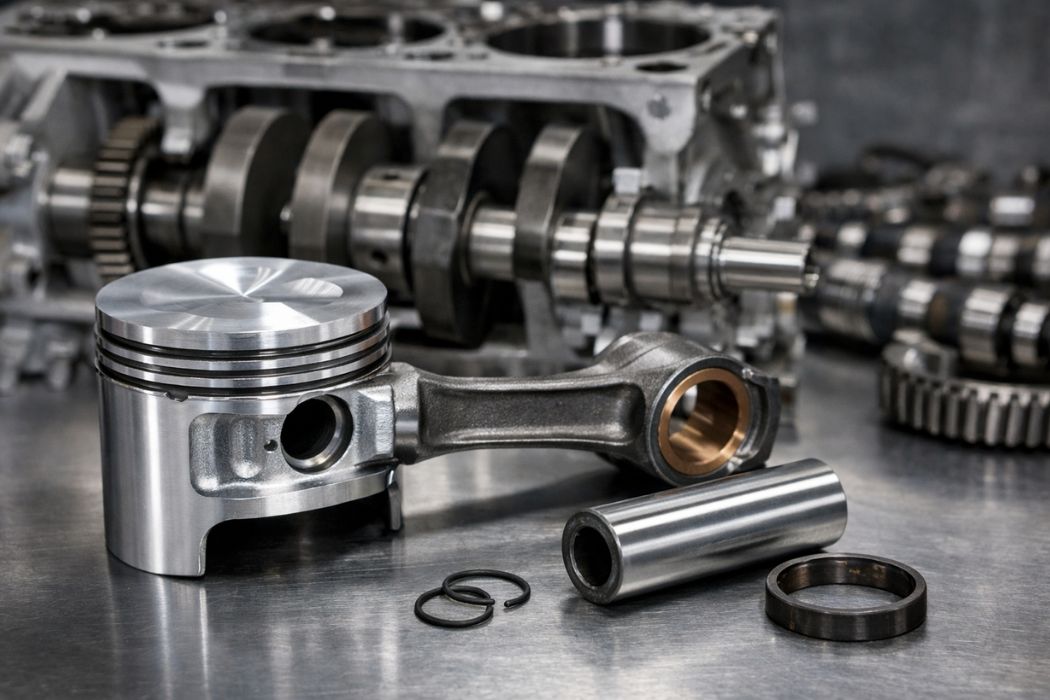
The piston crown is the top surface of the piston that faces the combustion chamber. It is the first component to receive the force of combustion when fuel ignites. In marine diesel engines, this surface must withstand extremely high temperatures and pressures while maintaining structural integrity. Unlike automotive engines, marine engines often operate continuously at steady loads, making the piston crown even more critical.
Role of Piston Crowns in Marine Diesel Engines
The piston crown is responsible for converting combustion energy into mechanical motion. When fuel ignites, the expanding gases push against the piston crown, forcing the piston downward and driving the crankshaft. A well-designed piston crown ensures efficient energy transfer, consistent power output, and stable engine performance. Poor piston crown quality can result in uneven combustion, power loss, and increased fuel consumption.
Heat and Pressure Management
Marine diesel engines generate intense heat due to high compression ratios and continuous operation. The piston crown absorbs a significant portion of this heat. Effective heat resistance and dissipation help prevent overheating and thermal stress. Many marine piston crowns are designed with optimized shapes to improve combustion airflow and distribute heat evenly. This reduces the risk of cracks, deformation, and premature failure.
Materials and Design Considerations
Piston crowns used in marine diesel engines are commonly made from high-strength alloys or steel, chosen for their durability and resistance to extreme conditions. Material selection is crucial, as the crown must handle repeated thermal cycles without weakening. Design features such as reinforced crown thickness and smooth combustion surfaces improve strength and combustion efficiency. In some engines, advanced coatings are applied to enhance heat resistance and reduce carbon buildup.
Common Piston Crown Issues in Marine Engines
Despite robust design, piston crowns can suffer from wear and damage over time. Common issues include:
- Carbon deposits caused by incomplete combustion
- Surface erosion due to poor fuel quality
- Cracks resulting from overheating or cooling system failures
- Burn marks from improper fuel injection timing
These problems can lead to reduced engine efficiency, increased emissions, and costly downtime if not addressed early.
Maintenance Tips for Long Service Life
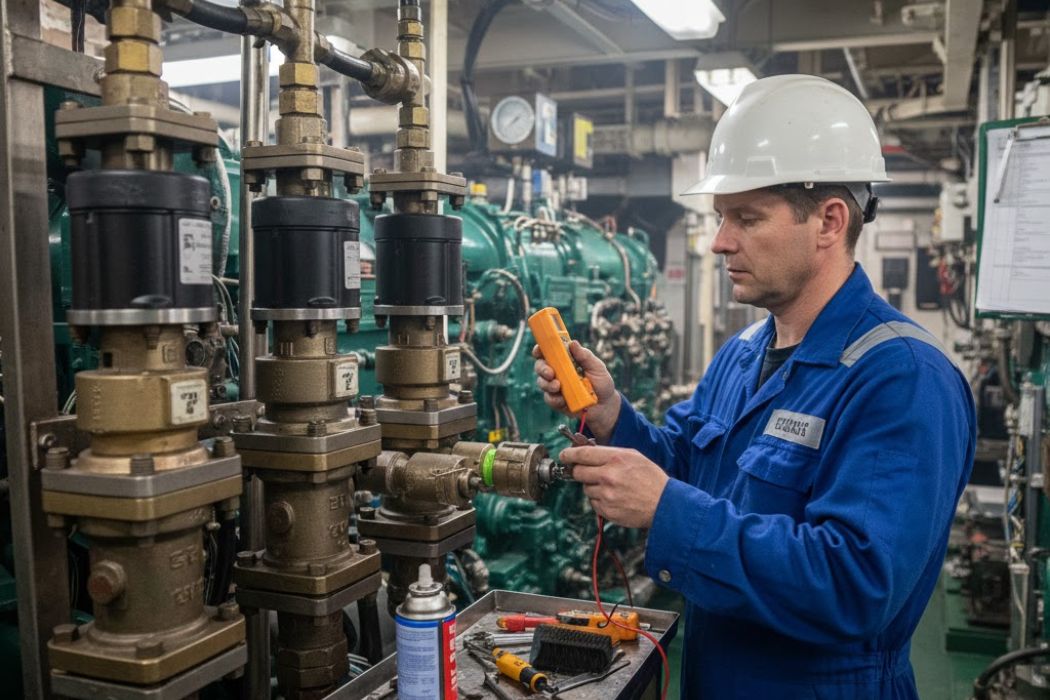
Regular inspection and maintenance are essential to protect piston crowns in marine diesel engines. During engine overhauls, piston crowns should be checked for cracks, excessive deposits, and surface damage. Maintaining proper lubrication, cooling efficiency, and fuel quality helps reduce thermal stress. Monitoring exhaust temperatures and engine load also provides early warning signs of piston crown-related issues.
Conclusion
Piston crowns are a critical component in marine diesel engines, directly influencing combustion efficiency, power output, and engine reliability. Their ability to withstand extreme heat and pressure makes them essential for safe and efficient marine operations. By using high-quality piston crowns and following proper maintenance practices, vessel operators can extend engine life, reduce repair costs, and ensure dependable performance at sea.