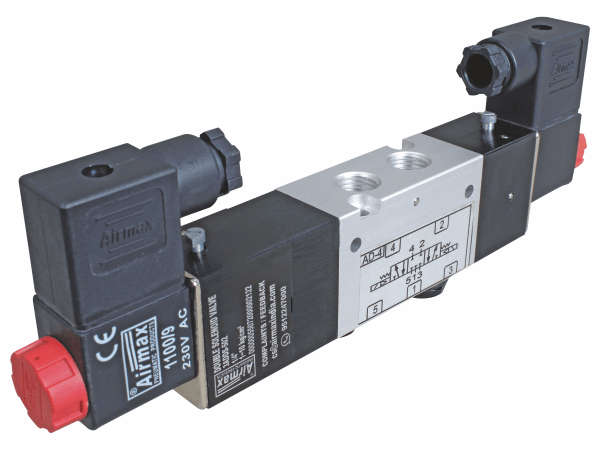



Pneumatic systems are widely used in manufacturing, automation, packaging, and processing industries because they are reliable, cost-effective, and easy to maintain. At the heart of these systems lies the pneumatic directional control valve, a component responsible for directing compressed air to control motion and operation. Selecting the right valve is not just a technical decision. It plays a direct role in improving efficiency, reducing energy waste, and ensuring consistent system performance.
Understanding the Role of a Pneumatic Directional Control Valve
A pneumatic directional control valve manages the direction, start, and stop of airflow within a compressed air system. It determines how air moves through actuators such as cylinders or air motors, controlling movement, speed, and force. Since these valves influence how efficiently air is used, even a small mismatch in selection can lead to unnecessary air consumption and performance loss.
How Valve Selection Impacts System Efficiency
Efficiency in pneumatic systems depends heavily on proper airflow control. When a valve is correctly sized and matched to the application, it allows smooth air passage with minimal pressure drop. Incorrect valve selection can restrict airflow or cause excessive leakage, forcing compressors to work harder. This results in higher energy usage, slower cycle times, and reduced productivity.
A well-selected pneumatic directional control valve ensures that air reaches the actuator at the required pressure and volume. This leads to precise movement, stable operation, and lower overall energy costs.
Key Factors to Consider During Valve Selection
Choosing the right valve involves evaluating multiple technical and operational factors:
- Valve configuration such as 2-way, 3-way, 4-way, or 5-way depending on actuator type
- Flow rate requirements to avoid air restriction or over-sizing
- Operating pressure range to match system conditions
- Actuation method including manual, solenoid, or pneumatic control
- Environmental conditions such as dust, moisture, or temperature exposure
Careful consideration of these factors helps prevent inefficiencies that arise from mismatched components.
Efficiency Benefits of the Right Valve Choice
Proper selection of a pneumatic directional control valve offers several efficiency-related advantages:
- Reduced air leakage and pressure loss
- Faster and more consistent cycle times
- Lower compressor load and energy consumption
- Improved system stability and control
- Reduced wear on actuators and seals
These benefits contribute to long-term operational savings and improved equipment lifespan.
Problems Caused by Incorrect Valve Selection
Using an unsuitable valve often leads to common system issues such as excessive air usage, uneven actuator motion, and frequent maintenance requirements. Over time, these problems increase downtime and operating costs. Inconsistent airflow can also affect product quality in precision-driven applications.
Practical Tips for Making the Right Choice
To ensure efficient operation, always match valve specifications to actual application needs rather than assumptions. Review airflow demand, pressure levels, and duty cycles. Consulting system diagrams and working with experienced technicians can help avoid costly mistakes. Selecting quality components designed for durability also improves long-term efficiency.
Conclusion
Proper selection of a pneumatic directional control valve is essential for achieving maximum efficiency in compressed air systems. The right valve minimizes energy loss, improves performance, and enhances system reliability. By investing time in correct selection, industries can achieve smoother operations, lower costs, and long-lasting pneumatic system performance.