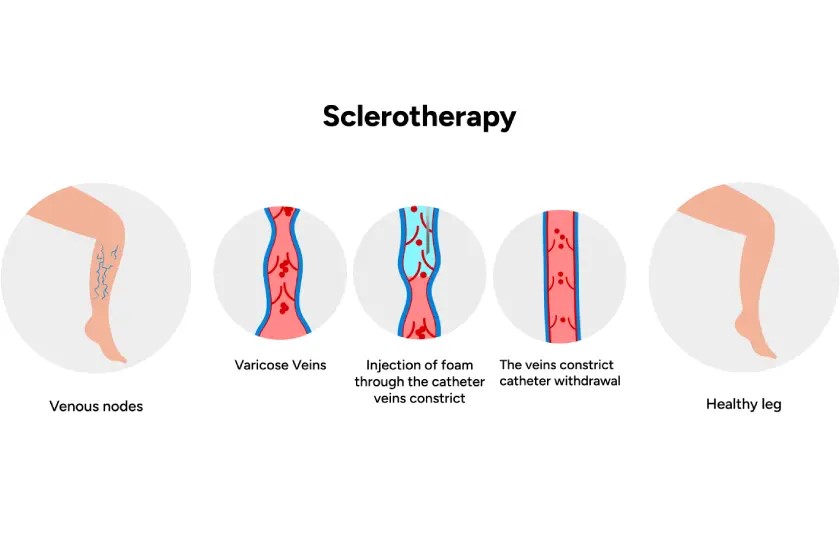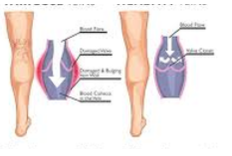
Undergoing varicose veins treatment is a step toward better leg health, comfort, and confidence. Whether you opted for minimally invasive laser therapy, radiofrequency ablation, sclerotherapy, or varicose vein surgery, the recovery process is usually straightforward. However, knowing what to expect after your procedure can help you heal faster and prevent complications.
Let us explore the typical recovery journey, what to do (and not to do), and how to maintain lasting results.
Immediate Aftercare (Day 1)
Right after treatment, your legs may feel slightly sore, tight, or warm to the touch. These sensations are completely normal. Most varicose vein clinics will apply compression bandages or stockings immediately after the procedure to support blood flow and reduce swelling.
You might be advised to walk around gently within a few hours. Avoid standing still for too long. Light movement helps prevent clot formation and aids recovery.
Key Recovery Steps & Self-care Tips
Compression Stockings
Your varicose veins specialist will recommend wearing compression stockings for at least one to two weeks. These help maintain healthy blood circulation and prevent blood pooling. Make sure they fit snugly but not uncomfortably tight.
Activity & Movement
Avoid strenuous workouts for the first few days, but gentle walking is strongly encouraged. After a week, you can gradually return to regular exercise for varicose veins, such as swimming, yoga, or light cycling. These activities keep your veins strong without excessive strain.
Elevate Your Legs
Elevating your legs above heart level for 15-20 minutes a few times a day helps reduce swelling and pressure. It also accelerates the healing of treated veins.
Diet & Hydration
Eat a balanced diet rich in fibre and antioxidants to promote good circulation and reduce inflammation. Drink plenty of water to maintain hydration and support vein recovery. Foods like berries, leafy greens, and whole grains are especially beneficial.
What Not to Do
- Avoid sitting or standing in one position for long hours.
- Do not take hot baths or visit saunas during the first week.
- Skip heavy lifting or high-impact exercises until cleared by your doctor.
- Avoid scratching or pressing on the treated area, even if mild itching occurs.
- Refrain from flying long distances for at least a week, as it can increase leg pressure.
Side Effects & What’s Normal
It is normal to experience mild bruising, swelling, or firmness along the treated vein. Some people also notice temporary skin discolouration or a pulling sensation under the skin.
If you experience severe pain, redness, or signs of infection near the incision site, contact your varicose veins specialist immediately. Rarely, complications such as a varicose vein ulcer or deep vein thrombosis may occur, so staying alert helps ensure timely intervention.
Timeline: What to Expect

Follow-up and Long-term Care
Regular check-ups at your varicose vein clinic help monitor healing and detect any residual veins early. Your doctor may use ultrasound imaging to confirm that the treated veins have properly closed.
Continue healthy habits like staying active, maintaining a healthy weight, and avoiding prolonged sitting. These small steps keep new varicose vein symptoms from developing and slow the progression of varicose vein stages.
Conclusion
Recovering from varicose veins treatment is not only about healing but also about building long-term habits for healthier legs. With proper aftercare, gentle activity, and regular monitoring by a trusted varicose veins specialist, you can look forward to smoother, pain-free legs and renewed confidence in your stride.