



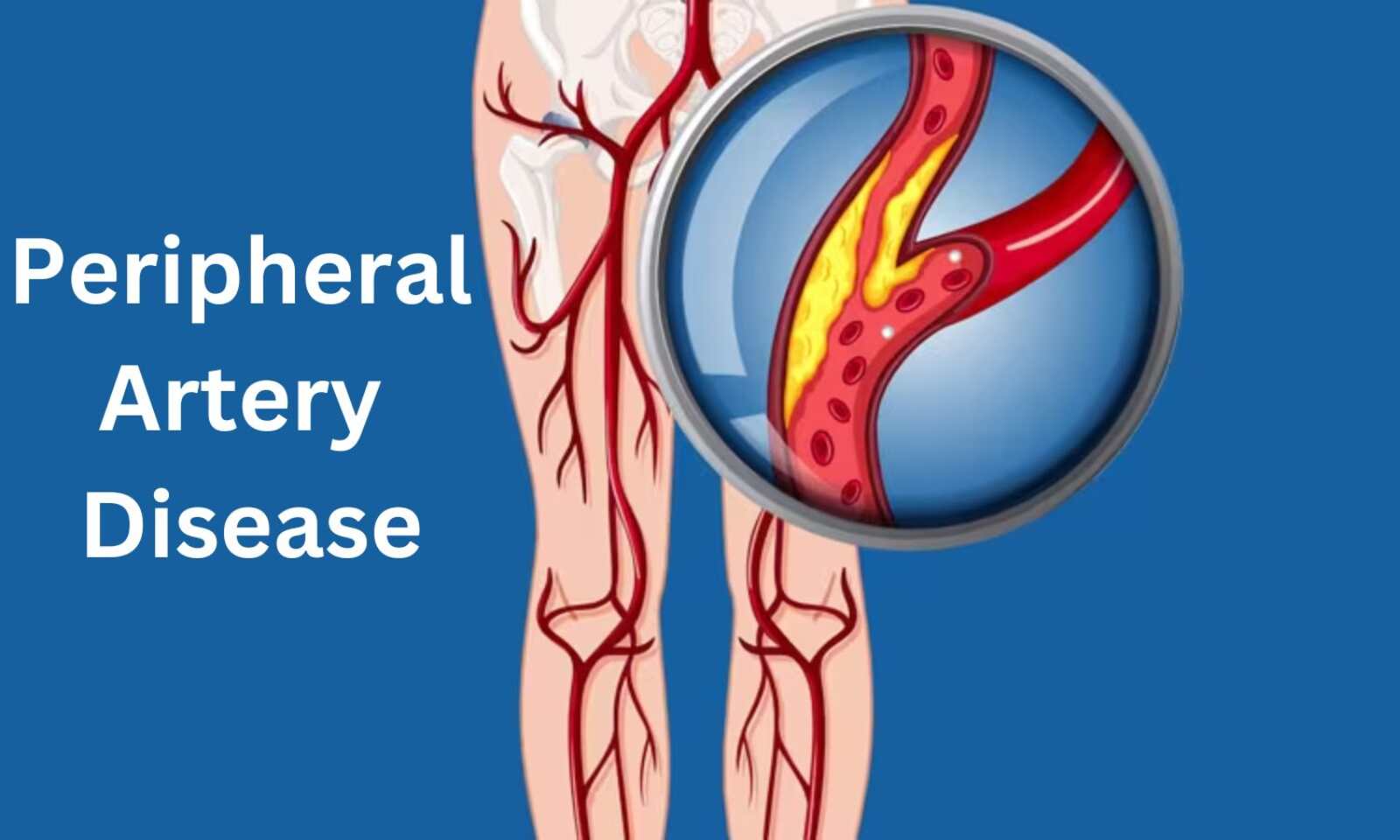
Peripheral Artery Disease, commonly known as PAD, is a circulatory condition that affects millions of people worldwide. It occurs when plaque builds up in the arteries that carry blood to the limbs, most often the legs. This buildup narrows the arteries, restricting blood flow and leading to pain, numbness, and in severe cases, tissue damage. Understanding the stages of Peripheral Artery Disease can help in recognising symptoms early and seeking the right care before complications arise.
What Are the Stages of Peripheral Artery Disease (PAD)?
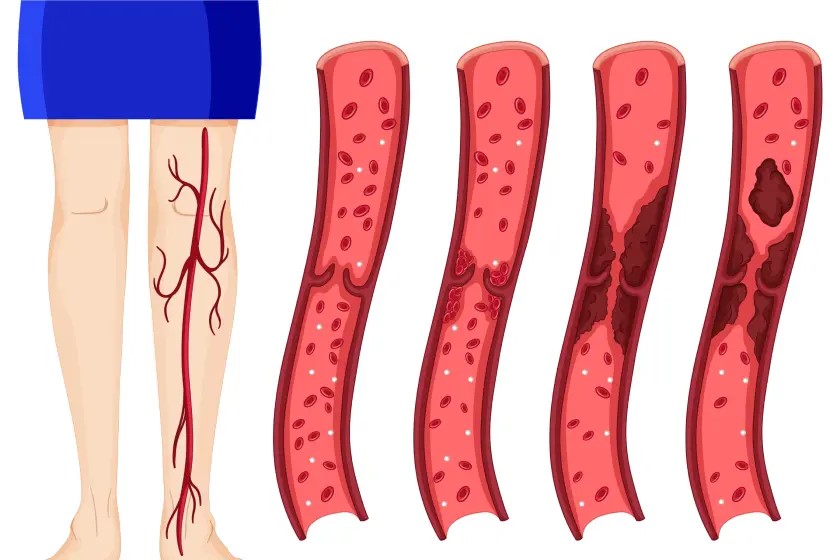
PAD progresses gradually, and its symptoms often appear so subtly that people ignore them until the disease becomes advanced. Doctors classify the types of Peripheral Artery Disease into stages based on the severity of restricted blood flow and the symptoms that accompany it.
Stage 1: Asymptomatic (No Symptoms)
In the early phase, PAD can exist silently. Despite reduced blood flow, there are often no noticeable peripheral artery disease symptoms. However, diagnostic tests like ankle-brachial index (ABI) or Doppler ultrasound can reveal the condition.
People in this stage may have risk factors such as smoking, diabetes, high cholesterol, or hypertension. Early lifestyle changes and peripheral artery disease exercise routines can delay progression and improve circulation.
Stage 2: Claudication (Pain During Activity)
At this stage, you may experience muscle pain or cramping in your calves, thighs, or buttocks when walking or climbing stairs. This pain, known as claudication, usually eases with rest.
The reason is simple: your muscles are not receiving enough oxygen during activity. This is one of the most recognisable peripheral artery disease symptoms, often prompting people to seek medical help.
A peripheral artery disease specialist may suggest lifestyle changes, medication, and supervised walking programs as part of the peripheral artery disease treatment plan to restore blood flow.
Stage 3: Rest Pain (Pain Even at Rest)
As the arteries narrow further, pain can occur even when you are not moving. This rest pain typically appears at night when lying down, and some people find relief by hanging their legs off the bed to allow gravity to assist blood flow.
This stage indicates a significant reduction in circulation and demands prompt medical attention. Ignoring it can lead to irreversible damage to the limbs.
Stage 4: Ulcers and Tissue Damage
In this stage, reduced blood supply affects the skin and tissues. You may notice sores, ulcers, or slow-healing wounds on your legs, ankles, or feet. These are clear signs that tissues are starving for oxygen and nutrients. If not treated properly at this stage, ulcers can deepen and turn into serious infections. Consulting a peripheral artery disease specialist at this point is crucial to prevent complications. The best hospital for peripheral artery disease will likely offer advanced imaging, minimally invasive procedures, and wound care to restore circulation and promote healing.
Stage 5: Critical Limb Ischemia / Gangrene
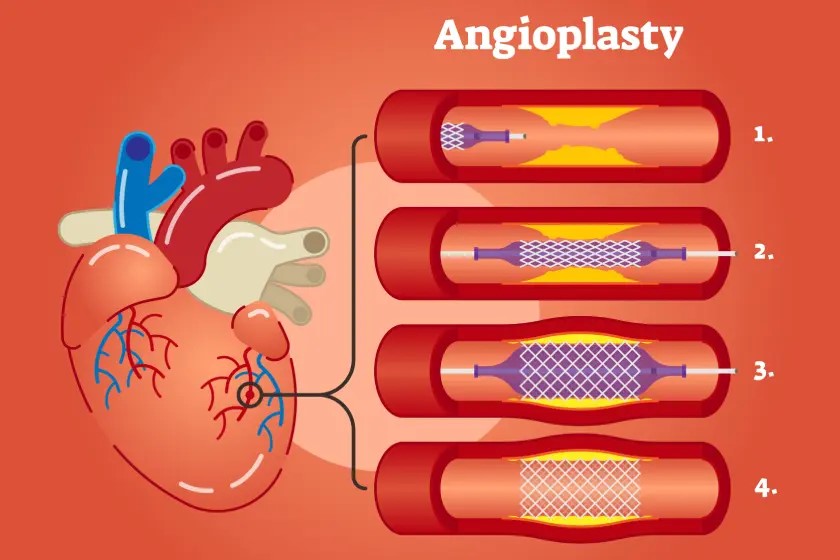
This is the most advanced and dangerous stage of PAD. Blood flow becomes so poor that tissues begin to die, leading to blackened skin or gangrene. This condition is known as critical limb ischemia (CLI). Immediate peripheral artery disease treatment is essential at this point to save the affected limb and prevent life-threatening infection. Surgery, stenting, or bypass procedures may be necessary to restore the blood supply.
When to See a Doctor
Do not wait for symptoms to worsen. If you experience leg pain while walking, slow-healing wounds, numbness, or cold feet, consult a peripheral artery disease specialist right away. Early diagnosis makes a huge difference, especially for people at higher peripheral artery disease age brackets, typically over 50 years old, or younger individuals with diabetes or a history of smoking.
Conclusion
Understanding the stages of Peripheral Artery Disease helps you take control of your vascular health before it becomes critical. Early detection, regular peripheral artery disease exercise, and consistent follow-ups with experts can prevent serious outcomes.
If you suspect PAD or notice any symptoms, reach out to the best hospital for peripheral artery disease near you. A timely check-up can protect your limbs, your comfort, and your long-term quality of life.


Peripheral Artery Disease Market: Information By Treatment Type (Devices (Angioplasty Balloon, Angioplasty Stents (Stenting), Catheters, Plaque Modification Devices (Atherectomy), Hemodynamic Flow Alteration Devices, Others), Drugs (Lipid-Lowering Drugs, Blood Pressure Lowering Drugs, Glucose Regulating Drugs, Blood Clot Preventing Drugs)) End User (Hospitals and Clinics, Ambulatory Surgery Centers) - Forecast till 2027Increased global prevalence of artery diseases has fuelled the demand for peripheral artery disease market.
Market Research Future (MRFR) in its latest report reveals that the global peripheral artery diseases market will exhibit a healthy CAGR during between 2017 and 2023.Atherosclerosis in the peripheral arteries remain the leading cause of peripheral artery disease.
Atherosclerosis in associated with hardening of plaque that trigger clot formation in arteries, leading to their blockage.Global demand for peripheral artery disease treatment has grown substantially in recent years.
Availability of superior treatment and therapeutics for peripheral artery disease has reflected favourably on the market.
Many market players have ramped up investment in R program to develop innovative treatment solution.
Data released by European Federation of Pharmaceutical Industries and Association reveals that in 2016 R investments in the Pharmaceutical Industry reached EUR 35000 Mn.