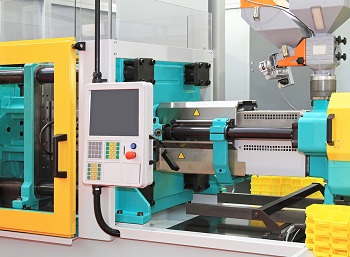


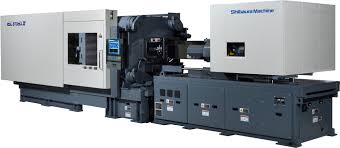
In today's competitive manufacturing world, businesses seek equipment that boosts efficiency, cuts costs, and meets sustainability goals. The all-electric injection molding machine stands out as a revolutionary solution for industries including automotive, medical devices, packaging, and consumer products. These machines use advanced servo-electric drives to handle clamping, injection, and ejection with pinpoint accuracy.
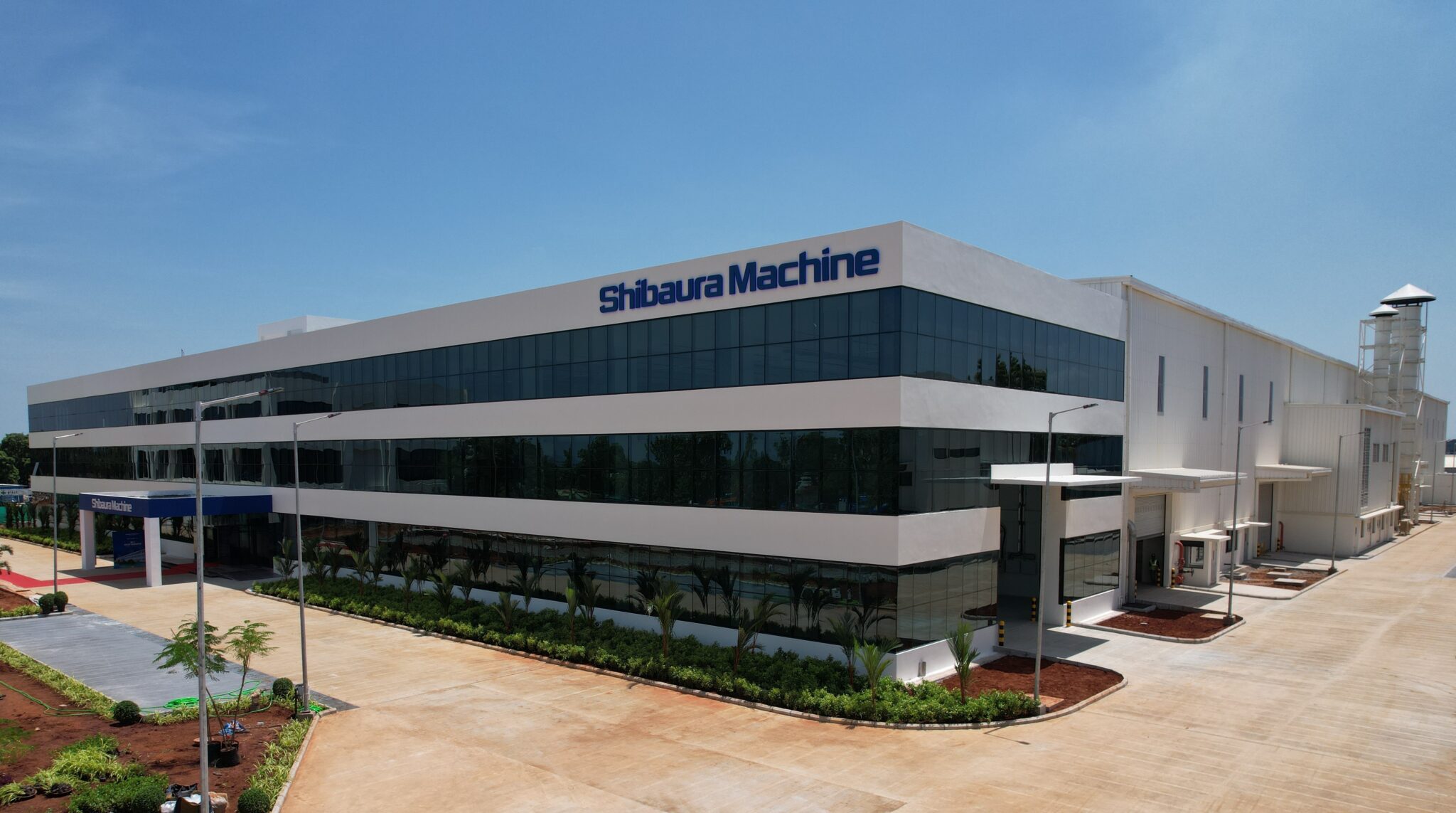
Shibaura Machine leads the market with their EC-SII and EC-SX series, tailored for Indian producers. As a trusted Injection Molding Machine Supplier, they deliver Japanese precision engineering backed by local support. This guide explores the core advantages and potential challenges of integrating an Electric Injection Moulding Machine into your operations.
Understanding All-Electric Injection Molding Technology
Traditional hydraulic machines rely on oil pumps for power, leading to energy waste and maintenance issues. In contrast, an all-electric injection molding machine employs independent electric servomotors for every motion. This design ensures precise control over injection speed, pressure, and position—down to 0.01mm accuracy.
Shibaura Machine's lineup covers clamping forces from 50 to 1,500 tons, perfect for small medical parts or large automotive components. Originating in Japan during the 1980s, this technology has evolved with smarter servos and IoT integration. In India, rising energy prices and green regulations make it a smart choice for "Make in India" initiatives.
Major Advantages Driving Adoption
Manufacturers switching to all-electric models report game-changing improvements. Here are the standout benefits.
Unmatched Energy Savings
Hydraulic systems lose 50-80% of energy as heat, but all-electric machines power up only when needed—delivering 60-80% lower consumption. A 300-ton unit running 24/7 could save ₹5-10 lakhs annually in India.
Shibaura Machine's EC-SII series includes regenerative braking, recycling energy during slowdowns. Clients often see full ROI within 1-2 years.
Precision for High-Quality Parts
Servomotors enable closed-loop feedback, holding speeds within ±0.1% and positions to microns. This excels in thin-wall containers or intricate medical implants, minimizing defects like warpage or flash.
Shibaura's velocity-pressure control ensures consistent quality across batches, meeting global export standards.
Cleaner, Quieter Operations
Without hydraulic oil, these machines eliminate leaks, spills, and waste disposal. They operate below 75 dB and emit zero fumes, easing compliance with ISO 14001 and India's Plastic Waste Management Rules.
Shibaura supports sustainable resins, helping factories go green.
Boosted Productivity
Independent drives allow overlapping cycles—metering while the mold opens—cutting times by 20-40%. High-speed units reach 1,000 mm/s injection rates.
Key extras include:
50% less maintenance from fewer moving parts.
30-50% smaller footprints.
Intuitive touchscreens with remote IoT monitoring.
Proven Applications Across Industries
Electric Injection Moulding Machines shine in diverse uses. Automotive firms mold dashboards with tight tolerances. Medical producers craft syringes contamination-free. Packaging lines churn out PET bottles at high volumes.
A Gurugram client upgraded to Shibaura's 350-ton EC-SX Electric Injection Moulding Machine, slashing energy by 70% and hitting 1.2 million EV parts yearly. A Mumbai packager gained 25% faster cycles. These successes show why Indian firms trust Shibaura.
Common Challenges and Realistic Drawbacks
While benefits are clear, all-electric machines aren't one-size-fits-all.
Elevated Initial Investment
These models cost 20-50% more upfront—₹1.5-3 crore for mid-sized units. Shibaura offers financing and trials to ease entry.
Power Limits for Heavy-Duty Jobs
Servos prioritize precision over brute force, suiting most needs but struggling with ultra-large molds (>1,000 tons) or thick, viscous materials. Hybrids fill this niche.
Operator Training Needs
Servo tuning requires skill beyond hydraulic basics. Shibaura provides on-site training from their Gurugram base.
Additional hurdles:
Rare servo battery issues (addressed with backups).
Motor heat buildup (needs ventilation).
Spare parts logistics (choose local suppliers).
Why Choose Shibaura Machine?
Shibaura Machine excels with 100+ years of expertise (formerly JSW). Their Electric Injection Moulding Machine options include energy-focused EC-SII and speed-optimized EC-SX. Local service guarantees <24-hour response, with proven 30-50% productivity lifts.
As a premier Injection Molding Machine Supplier, they customize for Indian needs. Explore quotes and demos on their site.
Strategies to Overcome Challenges
Maximize success with these steps:
- Audit current energy use and part requirements.
- Pilot a 100-200 ton machine first.
- Customize via Shibaura's expertise.
- Train teams through their programs.
- Add Industry 4.0 IoT for maintenance alerts.
PLI schemes and subsidies further reduce costs.
Emerging Trends Shaping the Future
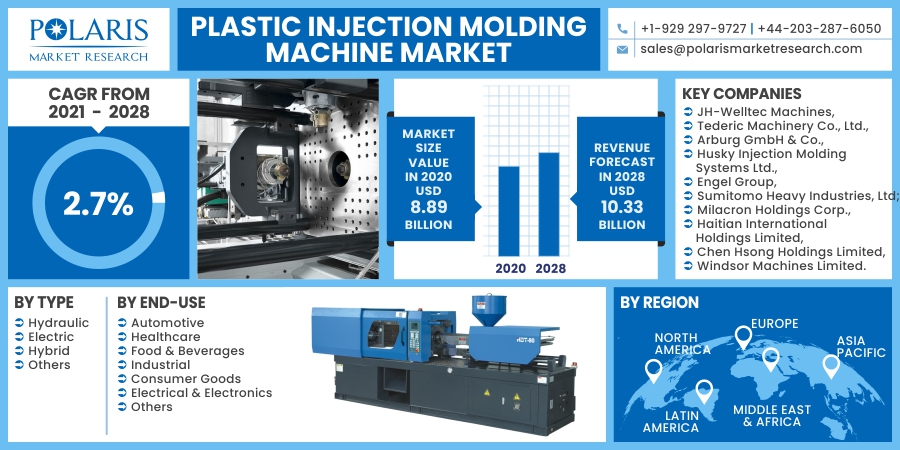
AI optimization and hybrid designs lead innovations. Shibaura's SE-EV vertical electrics handle inserts efficiently. By 2030, electrics could claim 70% market share amid net-zero pushes.
Final Thoughts: Transform Your Production
An all-electric injection molding machine delivers superior efficiency, accuracy, and eco-friendliness, tipping the scales over challenges for most operations. With India's energy dynamics, the payback is faster than ever.
Partner with Shibaura Machine for your Electric Injection Moulding Machine. Electrify your line today.