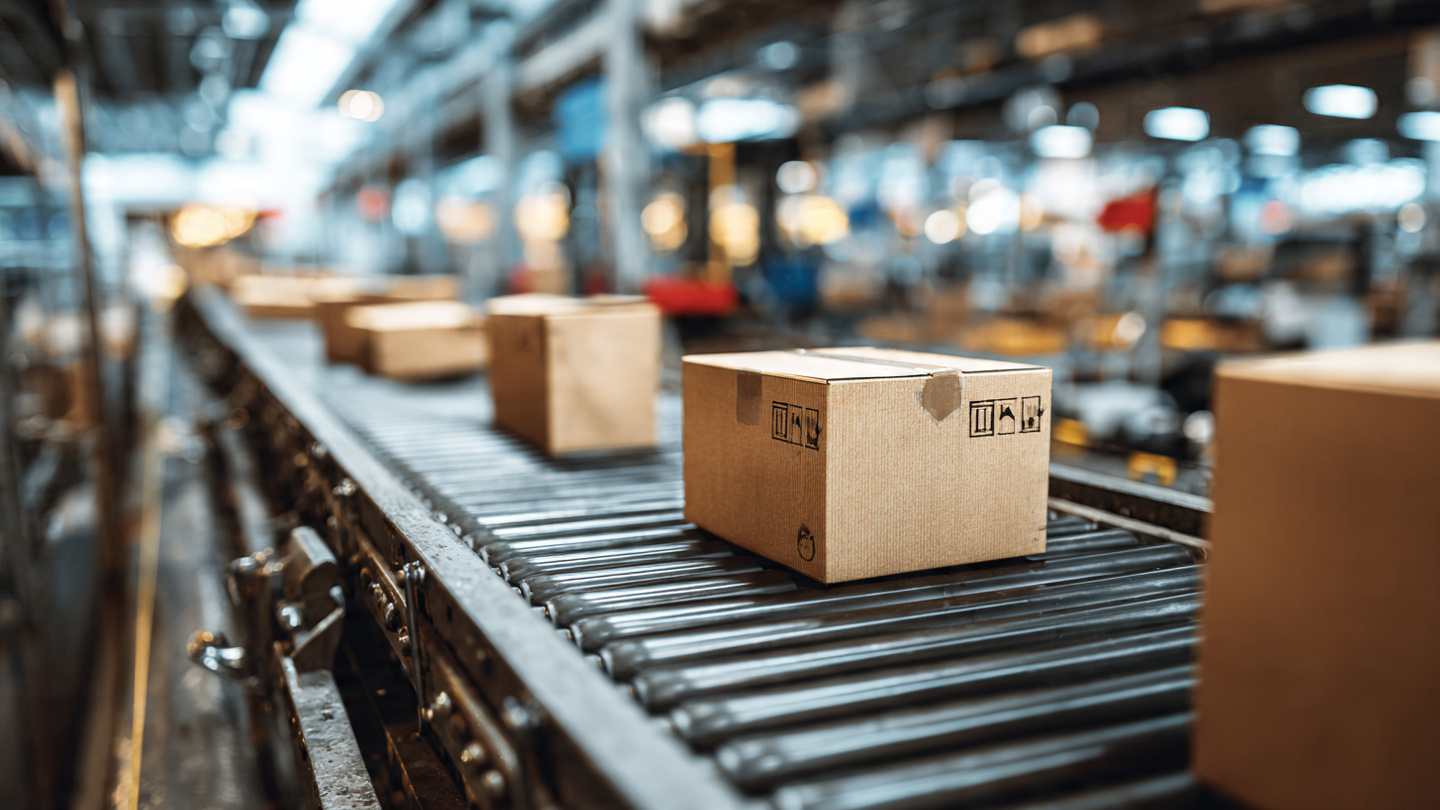
Packaging plays a much larger role in the supply chain than many businesses realize. While its primary function is to protect goods during transit, its impact reaches far beyond that. Packaging influences everything from product safety and cost efficiency to branding and sustainability. For businesses looking to streamline operations and enhance customer satisfaction, understanding the full scope of packaging's role is essential.
In this article, we'll explore how packaging contributes to each stage of the supply chain, why it's a key element in achieving supply chain efficiency, and how businesses can leverage packaging to improve overall performance.
1. Packaging as the First Line of Defense
One of the most obvious roles of packaging in the supply chain is to protect the product. Whether it's a delicate electronic device or a box of consumer goods, packaging acts as the first layer of defense against environmental factors such as moisture, temperature changes, dust, and physical impacts during transportation.
Types of protection offered by packaging:
- Physical Protection: Packaging materials like bubble wrap, foam inserts, and corrugated boxes absorb shocks and vibrations, preventing damage during handling and transit.
- Environmental Protection: Packaging helps shield products from harmful environmental factors, such as moisture and temperature extremes, which is particularly important for products like food, pharmaceuticals, and electronics.
- Tamper Evidence: Security features in packaging, such as tamper-proof seals or shrink-wrap, deter theft and ensure the integrity of the product remains intact until it reaches the customer.
Without proper packaging, businesses run the risk of receiving damaged goods, leading to higher costs in returns, repairs, and replacements, as well as dissatisfied customers.
2. Enhancing Efficiency and Cost Management
Packaging is not just about protection; it also plays a vital role in the efficiency of logistics and inventory management. A well-designed packaging strategy can reduce transportation and storage costs, ultimately improving the profitability of a supply chain.
- Optimization of Space: Packaging allows products to be stacked and stored efficiently, reducing wasted space in warehouses and containers. The right-sized packaging ensures that products fit snugly together, maximizing storage capacity, which helps reduce shipping costs. For example, custom-sized boxes that match the product dimensions can minimize unused space and reduce the cost of transporting air.
- Streamlining Operations: Efficient packaging design can make it easier to handle products during manufacturing, warehousing, and distribution. This includes considering how easily packages can be moved, stacked, or loaded onto pallets. For instance, using uniform box sizes for similar products can speed up the packing and loading process, allowing for more streamlined operations.
- Automation: With the rise of automated warehouses, packaging has evolved to align with modern logistics systems. Automated packaging machines, smart labeling, and RFID tags ensure products are packed quickly and accurately, reducing human error and speeding up the entire supply chain process.
3. Branding and Customer Experience
Packaging is often the first physical touchpoint a customer has with a brand, making it a key element of marketing and customer engagement. In the B2B space, packaging can also communicate professionalism, reliability, and quality.
- Branding and Identity: For businesses shipping products to customers, packaging offers an opportunity to convey the brand’s identity. Custom packaging with branded logos, colors, and messaging creates a consistent brand experience, fostering a deeper connection with customers. For instance, a high-end product with premium packaging will communicate luxury and quality, reinforcing the perceived value of the product.
- Unboxing Experience: The unboxing experience has become a critical part of customer satisfaction, particularly for e-commerce businesses. A well-designed packaging that creates excitement and surprise when opened can drive positive feedback, repeat purchases, and word-of-mouth recommendations.
- B2B Customer Confidence: In a B2B context, sturdy and professional packaging enhances customer confidence. It signals that a business takes care in the product's presentation and that the company values quality control and product integrity. This can be a deciding factor for B2B customers when selecting suppliers or partners.
4. Sustainability and Environmental Considerations
As sustainability becomes an increasingly important issue in modern supply chains, packaging plays a key role in reducing the environmental impact of the logistics process. Businesses that prioritize eco-friendly packaging options contribute to a more sustainable supply chain and reduce their carbon footprint.
- Reducing Packaging Waste: Over-packaging is a major problem in the logistics industry, contributing to unnecessary waste. By using recyclable materials, optimizing the size and design of packaging, and minimizing the use of plastics, businesses can significantly reduce waste.
- Eco-Friendly Materials: Many companies are now turning to sustainable materials for packaging, such as biodegradable plastics, recycled cardboard, and plant-based materials. Packaging made from renewable resources not only reduces waste but can also appeal to environmentally conscious customers and partners.
- Reusable Packaging: In some industries, reusable packaging is becoming the norm. For example, the automotive industry uses returnable plastic containers that can be used multiple times, reducing the need for single-use packaging and cutting down on costs over time. This also helps companies comply with increasing regulations around sustainability and waste reduction.
- Carbon Footprint and Transportation Efficiency: Sustainable packaging can also reduce the environmental impact of transportation. Lighter, more compact packaging can help reduce fuel consumption during transit, lowering carbon emissions and contributing to greener supply chain practices.
5. Packaging and the Digital Supply Chain
The rise of digital technologies and data-driven logistics is reshaping how packaging interacts with the supply chain. Smart packaging is transforming traditional practices by providing greater visibility, improving efficiency, and enhancing traceability.
- Smart Packaging Technologies: With the advent of Internet of Things (IoT) sensors, smart packaging solutions are gaining traction in industries like pharmaceuticals and perishable goods. These sensors can monitor temperature, humidity, or shock levels in real-time, sending alerts when products are exposed to harmful conditions. This ensures that companies can address potential issues before they affect the product’s quality.
- RFID Tags and Tracking: Packaging that incorporates Radio Frequency Identification (RFID) tags enables real-time tracking of products throughout the supply chain. By embedding RFID technology into packaging, businesses can monitor product movement from the manufacturer to the warehouse and all the way to the customer. This enhances transparency, reduces loss or theft, and improves inventory management.
- Data-Driven Insights: Data collected from smart packaging and supply chain operations can be analyzed to uncover patterns, optimize packaging designs, and improve overall efficiency. For example, data on packaging failure rates can inform improvements in design, while tracking data can help businesses optimize their shipping routes and reduce transit times.
6. Regulatory Compliance and Safety
Packaging is also essential for ensuring compliance with industry-specific regulations. Many products require specialized packaging to meet safety, legal, and health standards. This is particularly true for industries like pharmaceuticals, food, chemicals, and electronics.
- Compliance with Safety Standards: Regulatory bodies often require specific labeling, warnings, and packaging materials to ensure products are transported and stored safely. Packaging that meets these standards helps companies avoid costly fines, product recalls, and damage to their reputation.
- Proper Labeling and Documentation: In sectors like food and pharmaceuticals, packaging must include key information such as expiration dates, ingredient lists, and batch numbers. Proper labeling ensures that customers receive safe, quality products while also helping businesses track products in case of a recall.
Conclusion
The role of packaging in the supply chain is multifaceted, encompassing protection, efficiency, branding, sustainability, and compliance. In today’s competitive and fast-moving business environment, packaging is no longer just a secondary consideration—it is a strategic element of the supply chain that can have a significant impact on cost savings, customer satisfaction, and operational efficiency.
By investing in the right packaging solutions, businesses can streamline their logistics operations, improve their environmental footprint, enhance their brand image, and ensure the safe delivery of products to customers. As consumer demand for sustainable and efficient practices continues to grow, the role of packaging will only become more critical to the success of the modern supply chain.