


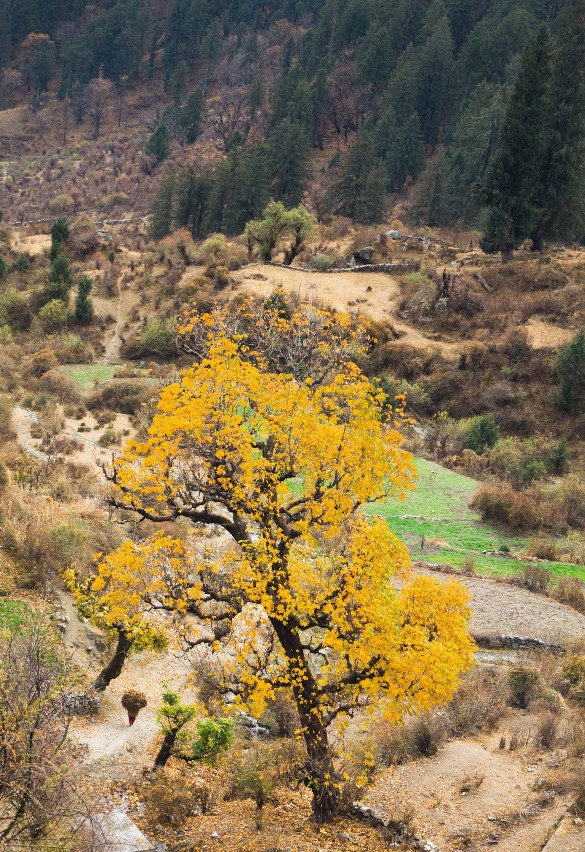
Pangarchulla Peak Trek is one of the most exciting summit treks in Uttarakhand. Located in the Chamoli district, this trek is known for its steep climb, snow-covered trails, and wide mountain views. While many people plan this trek in winter, spring season (March to May) is actually the best time to do Pangarchulla Peak Trek.
In this article, we will explain in simple words why spring is the best season, what you can expect on the trail, weather conditions, snow experience, safety, and overall trekking experiencw.
About Pangarchulla Peak Trek
Pangarchulla Peak stands at an altitude of around 15,069 feet. The trek starts from Dhak village, near Joshimath. It passes through beautiful forests, open meadows, and high camps like Khullara.
This trek is considered moderate to difficult, mainly because of the final summit push. Good fitness and proper preparation are important.
What Is Spring Season in Pangarchulla?
Spring season in the Himalayas usually starts from early March and lasts till May.
During this time:
- Winter snow is still present at higher altitudes
- Weather starts becoming stable
- Days are warmer and longer
- Forests and meadows slowly come back to life
This balance makes spring the most suitable season for Pangarchulla Peak Trek.
Perfect Balance of Snow and Safety
One of the biggest reasons spring is the best time for Pangarchulla Peak Trek is ideal snow conditions.
- You still get good snow on the summit push
- Snow is more stable compared to peak winter
- Less risk of fresh snowfall or heavy storms
- Trails are clearer and easier to follow
In winter, deep snow can make the trek risky and exhausting. In late summer, snow melts too much, making the trek dry and less exciting. Spring offers the best of both worlds.
Better Weather Conditions in Spring
Weather plays a huge role in high-altitude treks like Pangarchulla.
Spring weather advantages:
- Day temperature: 5°C to 15°C
- Night temperature: -5°C to 5°C
- Clear skies on most days
- Less chance of extreme cold or blizzards
Because the weather is stable, summit attempts are more successful in spring compared to winter months.
Clear Mountain Views in Spring
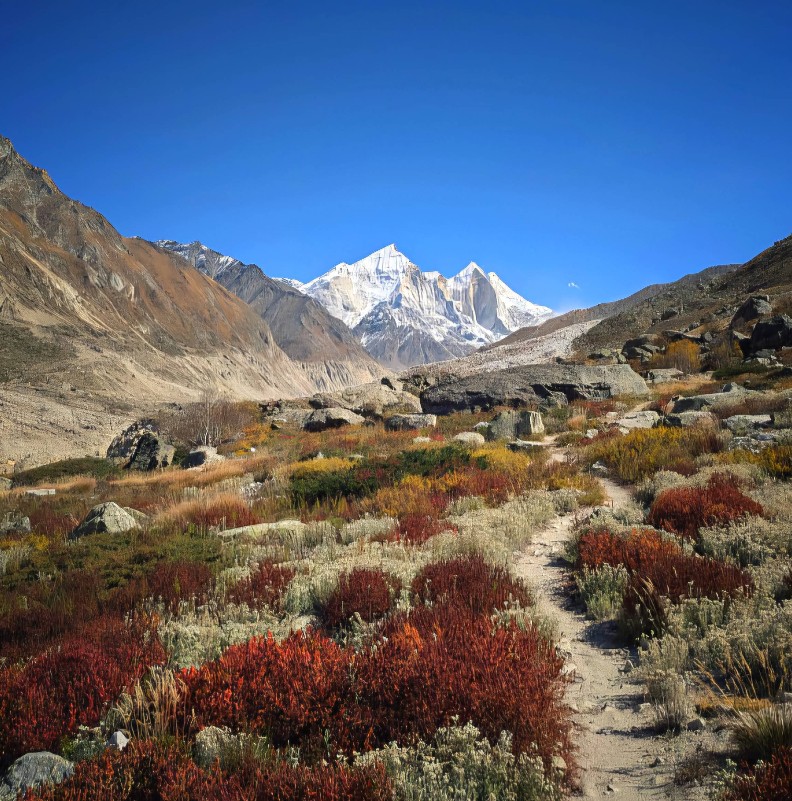
Spring season offers some of the clearest mountain views on the Pangarchulla trek.
From the trail and summit, you can see:
- Nanda Devi
- Hathi Ghoda Parvat
- Dronagiri Peak
- Chaukhamba range
- Neelkanth Peak
Clear skies mean better visibility, which is important during the summit climb and also makes the trek more rewarding.
Safer Summit Push Compared to Winter
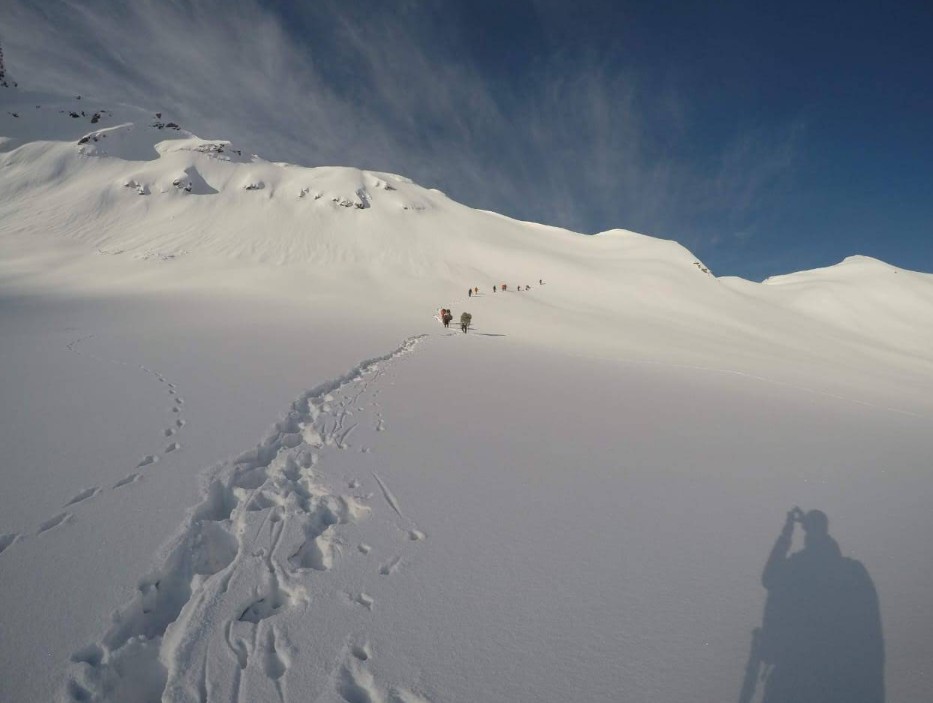
The summit day of Pangarchulla Peak is steep and demanding. In spring:
- Snow is firm and well-settled
- Use of crampons becomes easier
- Lower risk of slipping compared to fresh snow
- Guides can fix routes more easily
This makes spring a safer season for first-time summit trekkers who want to challenge themselves.
Comfortable Trekking Experience
Spring makes the overall trek more comfortable.
Why trekking feels easier in spring:
- Longer daylight hours
- Less extreme cold
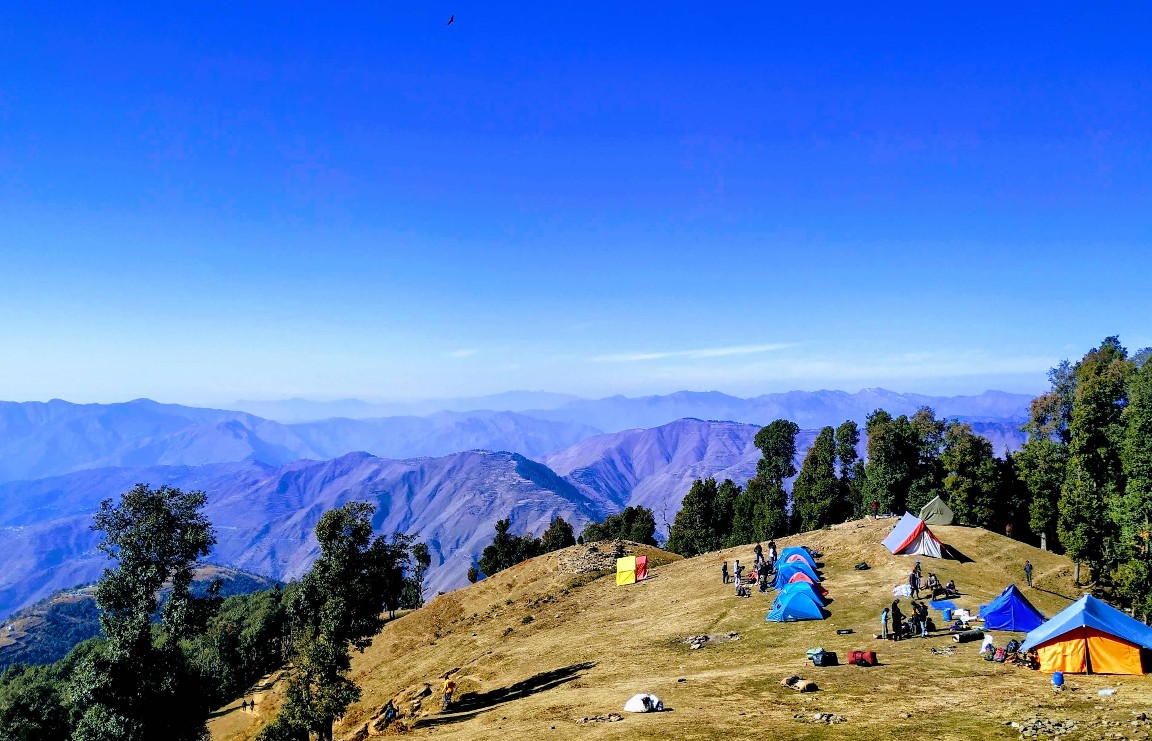
- Camps are not buried under snow
- Water sources are easier to access
You can walk at a steady pace without fighting harsh winter conditions, which helps save energy for the summit day.
Beautiful Forests and Changing Landscapes
Another reason spring is special is the changing scenery.
- Snow-covered trails slowly turn into brown and green paths
- Oak and rhododendron forests start blooming
- Meadows near Khullara look fresh and wide
This mix of snow and greenery makes the Pangarchulla Peak Trek visually attractive during spring.
Ideal for Trekkers Preparing for Bigger Treks
Spring Pangarchulla Peak Trek is perfect for trekkers who want to:
- Prepare for future high-altitude expeditions
- Experience snow trekking without extreme conditions
- Improve endurance and confidence
Many trekkers use Pangarchulla in spring as a training trek before advanced peaks.
Less Crowded Than Popular Winter Treks
While Pangarchulla is gaining popularity, spring still sees fewer crowds compared to winter treks like Kedarkantha.
- Camps feel quieter
- More personal trekking experience
- Better interaction with guides and team
For trekkers looking for adventure without too much rush, spring is a good choice.
Best Months for Pangarchulla Peak Trek in Spring
The best spring months are:
- March
- April
- Early May
Month-wise experience:
- March: More snow, colder nights
- April: Best balance of snow and weather
- Early May: Less snow, warmer days, clear trails
April is often considered the best month overall for Pangarchulla Peak Trek.
Things to Keep in Mind for Spring Trek
Even in spring, Pangarchulla is not an easy trek.
You should:
- Be physically fit
- Practice cardio and leg strength
- Carry proper snow gear
- Be mentally ready for a long summit day
Choosing an experienced trek operator is also important for safety and route management.
Final Thoughts
Spring is the best time for Pangarchulla Peak Trek because it offers:
- Stable weather
- Good snow conditions
- Safer summit climb
- Clear mountain views
- Comfortable trekking experience
If you want to enjoy the thrill of a snow-covered summit without extreme winter risks, spring season is the right time to plan Pangarchulla Peak Trek.
It is challenging, rewarding, and perfect for trekkers who want to push their limits while enjoying the beauty of the Garhwal Himalayas.

Cisco 350-801 Exam Questions - Success with ExamDumps.coPrepare with real 350-801 Exam Questions for 100% guaranteed success in 1st attemptYou Know what is the best way to make sure the Cisco 350-801 competitive exam success?
A reliable learning source of the Implementing and Operating Cisco Collaboration Core Technologies Exam is the authentic and fully updated Cisco 350-801 Exam Questions.
Numerous candidates of the Cisco 350-801 exam make mistakes on selecting their Implementing and Operating Cisco Collaboration Core Technologies Exam Questions preparation material.If you want Cisco 350-801 Exam Questions, then You should choose best platform that ensures your success, and provides all information about Implementing and Operating Cisco Collaboration Core Technologies Exam.
Just Download the Cisco Certified Internetwork Expert Collaboration 350-801 Valid Exam Dumps pdf to make sure these are accessible everywhere on your Desktop Computer, laptop, Mac book, tablet and mobile phone.
The 350-801 Valid Exam Dumps have the real questions from all Implementing and Operating Cisco Collaboration Core Technologies Exam subjects, With the verified answers by Cisco certified professionals.
You should prepare Cisco 350-801 Valid Exam Dumps thoroughly to understand all the concepts of Implementing and Operating Cisco Collaboration Core Technologies ExamStay Updated with 90 days Free Updates on the Cisco 350-801 Practice ExamThe Cisco 350-801 exam changes continuously with time and the candidates must check updates on regular basis for the preparation of 350-801 exam.


Save big with our 10x10 pop up tent and 10x10 canopy canada Packages.
Free Design, Fast Production, 5 Year Warranty.
For more information visit us today at https://www.tentdepot.ca/.
Available sizes: 1 .10x10 - Custom tents 10x15 - Custom pop up tents 10x20 - Custom Printed Canopy Categories Available : 1.Tent Accessories 2.Umbrellas 3.Star Tents 4.Inflatable Tents 5.Logo Tents Tent Features : 1.Available Sizes 10x10, 10x15, 10x20 Tents.2.High Quality Dye Sublimation Printing on a 600D Polyester Material3.Water Resistant UV Coated & Fire retardant, 5 Year Warranty Contact Us : Tent Depot Address : 30 Pennsylvania Avenue, Unit #5, Vaughan, Ontario, L4K 4A5, Canada Call : 1-877-409-0265 Mail Id: sales@tentdepot.ca Website:https://www.tentdepot.ca/