The Himalayas have a strange power. You see a few photos, watch some reels, and suddenly you feel ready to conquer a mountain pass. That excitement is natural, but when it comes to high-altitude treks like Bali Pass, excitement alone is not enough. Safety depends on preparation, experience, and understanding what you are signing up for.
So let’s answer this properly and honestly: Is Bali Pass Trek safe for first-time high-altitude trekkers? The short answer is it can be safe only if you prepare seriously and respect the risks. Without that, it can turn difficult very quickly.
This guide explains the reality without drama and without false motivation.
What Makes Bali Pass Trek Different from Normal Treks?
Bali Pass trek is not just about walking on a trail and enjoying views. It is a high mountain crossing trek where you move from one valley to another by crossing a narrow pass at very high altitude.
Here is what makes it challenging:
- The trek goes close to 5,000 meters, where oxygen is much lower than what your body is used to.
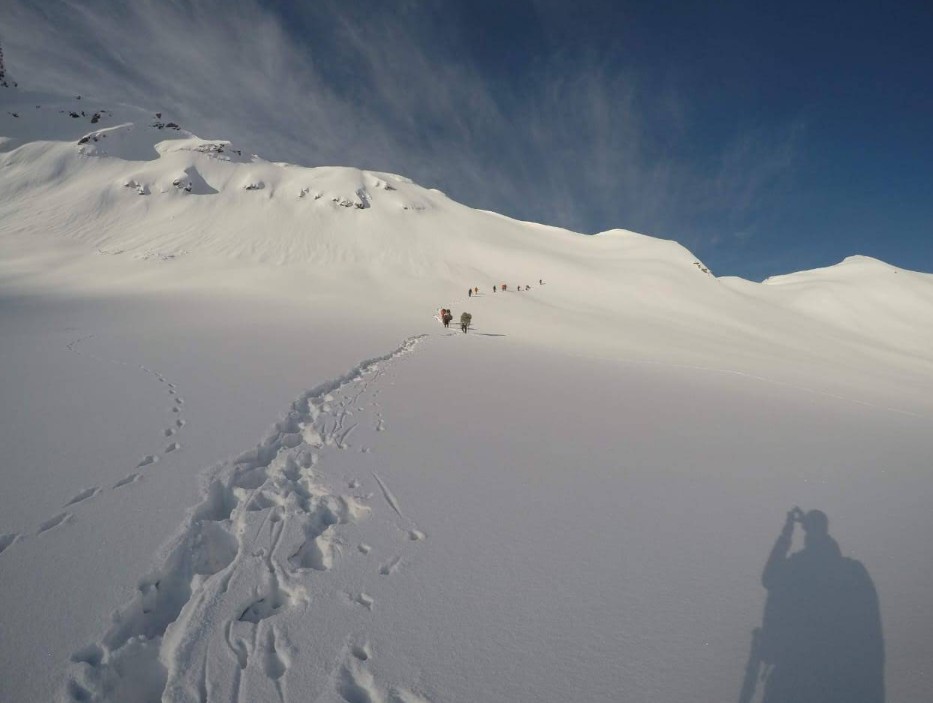
- The final climb to the pass is steep and often snow-covered.
- The descent after the pass is also sharp and requires careful foot placement.
- Weather can change suddenly, even when the day starts clear.
This combination of height, slope, and weather makes Bali Pass very different from beginner treks that stay on wide forest paths and gentle ridges.
Understanding High Altitude: Why Your Body Struggles
At high altitude, the air becomes thinner. This means every breath gives you less oxygen. Your body tries to adjust, but it needs time.
When people climb too fast, the body does not adapt properly, and that can lead to altitude sickness. Symptoms usually start with:
- Headache
- Loss of appetite
- Nausea
- Weakness
If ignored, it can become serious. This is not about fear, it is about basic mountain biology. Even very fit people can face this problem because fitness does not control oxygen levels in the air.
For first-time high-altitude trekkers, this is often the biggest challenge, not the walking part.
Is Physical Fitness Enough for Bali Pass?
Many people think, “I go to the gym, I play sports, so I can handle it.” Fitness definitely helps, but it does not solve everything.
What fitness helps with:
- Long walking hours
- Steep climbs
- Carrying your backpack
What fitness does NOT guarantee:
- Protection from altitude sickness
- Comfort in cold conditions
- Mental strength during long tough days
High-altitude trekking is as much about patience and slow movement as it is about strength. First-timers often struggle because they want to move fast, which actually increases risk.
Technical Sections: Where Experience Really Matters
Near the Bali Pass summit, the trail usually has snow and ice for many weeks in the trekking season. This part needs:
- Careful foot placement
- Use of microspikes or similar grip tools
- Ability to walk on narrow ridges
- Balance on steep slopes
For someone who has never walked on snow or steep mountain paths, this can feel scary and tiring. Fear increases mistakes, and mistakes at high altitude can lead to injuries.
Experienced trekkers know how to control breathing, pace, and balance in such areas. First-timers are still learning these skills.
Remoteness: Why Rescue Is Not Easy
Another important safety factor is location. After certain camps, you are deep inside mountain valleys with no roads nearby. If someone becomes unwell:
- Evacuation takes many hours
- Weather can delay rescue
- Medical facilities are far away
This does not mean rescue is impossible, but it is not quick like city hospitals. That is why trekkers must try to prevent problems instead of reacting to them later.
This is also why trekking with trained guides and organized teams becomes very important on such routes.
So, Can a First-Time High-Altitude Trekker Do Bali Pass?
Let’s be very clear and honest here.
Not recommended if:
- You have never been above 3,000 meters
- You have never done multi-day Himalayan treks
- You are unsure about walking on snow and steep slopes
- You do not train before the trek
In this case, Bali Pass becomes risky, not adventurous.
Possible if:
You train seriously for at least 6-8 weeks
You choose a route with proper acclimatization days
You trek with experienced guides
You are ready to turn back if health demands it
In this situation, even first-timers can complete the trek safely, but they must treat it like a serious mountain journey, not a casual holiday trek.
Why Many First-Timers Struggle on Difficult Treks
Most problems happen because of mindset, not strength.
Common mistakes:
- Walking too fast to match others
- Ignoring small headache or nausea
- Not eating or drinking enough
- Underestimating cold weather
Mountains reward slow and steady movement. People who respect this usually do better than those who rush.
Best Season Matters More Than People Think
Safety also depends on when you attempt the trek.
Better conditions:
Late spring to early summer
Early autumn after monsoon
During these times:
Snow is stable
Landslide risk is lower
Weather windows are more predictable
Risky periods:
Peak monsoon months
Early winter snowfall
During these times:
Trails become slippery
River crossings get dangerous
Snowstorms can block passes
Choosing the right season reduces many avoidable risks.
Should You Gain Experience Before Bali Pass?
From a long-term trekking point of view, yes, and it actually makes your Bali Pass experience better.
Good practice treks before Bali Pass:
- Treks around 3,000-4,000 meters
- Routes with gradual altitude gain
- Treks that teach you pacing and layering
These build:
- Altitude awareness
- Mental endurance
- Confidence on mountain terrain
Then when you finally attempt Bali Pass, you enjoy it more instead of just surviving it.
Safety Is Not About Fear, It Is About Respect
Some people think talking about safety reduces adventure. In reality, it increases it.
When you feel prepared:
- You enjoy views more
- You walk with confidence
- You stay calm during tough sections
Adventure should challenge you, not scare you into panic. Bali Pass is beautiful, but it expects respect in return.
Final Answer in Simple Words
So let’s answer once more, clearly and honestly:
Is Bali Pass Trek safe for first-time high-altitude trekkers?
It can be safe only with serious preparation, correct season, and expert guidance.
It is not safe for people who treat it like an easy tourist trek or skip training.
For most beginners, it is better to first gain some Himalayan experience and then attempt Bali Pass when both body and mind are ready.
That way, the trek becomes memorable for the right reasons not because of fear or health problems, but because of strong valleys, wide glaciers, and the feeling of standing on a real Himalayan pass knowing you earned it.