Introduction
Hail strom is a severe thunderstorm that produces hail, which is made up of ice lumps. When these ice lumps fall on earth, they cause severe damage to properties, crops and in some cases might cause injuries. The damage on your roofs, sidings and windows might look like minor dents, but if not repaired, it can turn into a major problem in the overall structure of your home. In this kind of situation, homeowners can file an insurance claim and co-ordinate with a hail adjuster for a fair compensation.
These insurances are meant to protect you, but many owners make mistakes during the hail storm insurance claiming process which results in unclaimed insurances. The mistakes can even lead to delay in claims, low payout or rejection in claim. A hail adjuster can help home owners in situations like this by guiding them to avoid any mistakes during the claiming process and protect your rights.
What is Hail Adjuster?
Hail adjusters are professionals who help to claim a fair compensation during the insurance claim. They play a vital role in inspection of property damage, documentation and help you get an estimated recovery cost for the damage. There are different adjusters who can help you:
- Insurance company adjusters work for the insurance provider.
- Independent adjusters are hired by insurance companies on a contract basis.
- Public adjusters work for homeowners and represent their best interests.
Understanding this difference is important because not all adjusters work for you.
Why are Hail Damage Claims underpaid?
Hail damage can be difficult to spot as there might be small dents, especially on roofs. With time these dents result in huge damages in roofs, walls and flooring. Some damage may not be visible from the ground, and might be overlooked by insurance adjusters. If homeowners are not familiar with the process, they might end up with low settlements or miss deadlines, costing them thousands of dollars in repairs.
Avoiding common hail adjuster mistakes can significantly improve the outcome of your claim.
Mistake 1: Ignoring Minor Hail Damage
Small dents or cracks may seem harmless but can lead to leaks, mold, or structural issues over time. Insurance companies may later deny claims by stating the damage did not exist previously.
Mistake 2: Waiting Too Long to File a Hail Damage Claim
One of the biggest mistakes homeowners make is delaying the claim. Most insurance policies have strict time limits for reporting hail damage. If you wait too long, the insurance company may state that the damage was caused by wear and tear or a different storm.
Mistake 3: Not Inspecting the Roof Before the Hail Adjuster Visit
Many homeowners rely entirely on the hail adjuster’s inspection and do not conduct their own assessment. Roof damage is often missed because it may require climbing onto the roof with use of specialized tools. If damage is not documented, it may not be included in your claim.
Mistake 4: Assuming the Hail Adjuster Works for You
This is a very common misunderstanding that the hail damage adjuster works for you. In most cases hail damage adjusters are hired by the insurance company. Their responsibility is to evaluate the claim based on the policy, not to maximize your payout.
Mistake 5: Accepting the First Settlement Offer Too Quickly
Many homeowners accept the first settlement without reviewing it carefully, which results in low compensation outcome and later the home owners might not be able to repair the overall damage. Read all the clauses carefully and look for offers may do not include:
- Only roof replacement
- Hidden structural damage
- Matching siding or shingles
- Local labor cost increases
Mistake 6: Failing to Document Hail Damage Properly
Lack of documentation can seriously raise the chance of rejection or low claim. Without proper evidence, it becomes your word against the adjuster’s assessment.
Mistake 7: Making Permanent Repairs Before the Adjuster Inspection
Homeowners often rush to fix damage, especially roof issues, to prevent leaks. While temporary repairs are allowed, permanent repairs before the hail adjuster’s inspection can result in denied or reduced claims because the original damage cannot be verified.
Mistake 8: Not Understanding What the Policy Covers
Many homeowners assume all hail damage is covered, which is not always true. Policies may include:
- Deductibles specific to hail damage
- Coverage limits for cosmetic damage
- Exclusions for older roofs or materials
Tips to get Fair Claim for Hail Damage
Tip 1: Report all the damage caused by hail, even if it appears minor at first.
Tip 2: After a hailstorm, inspect your property as soon as it is safe. If you notice damage or suspect it, contact your insurance company immediately.
Tip 3: Have a professional roofing contractor inspect your roof before the hail damage claim adjuster arrives. Their report can support your claim and highlight hidden damage.
Tip 4: Be polite and cooperative, but remember to protect your interests. If the damage is significant, consider hiring a public adjuster who represents you.
Tip 5: Review the settlement line by line. Compare it with contractor estimates. You have the right to question or negotiate if the amount seems low.
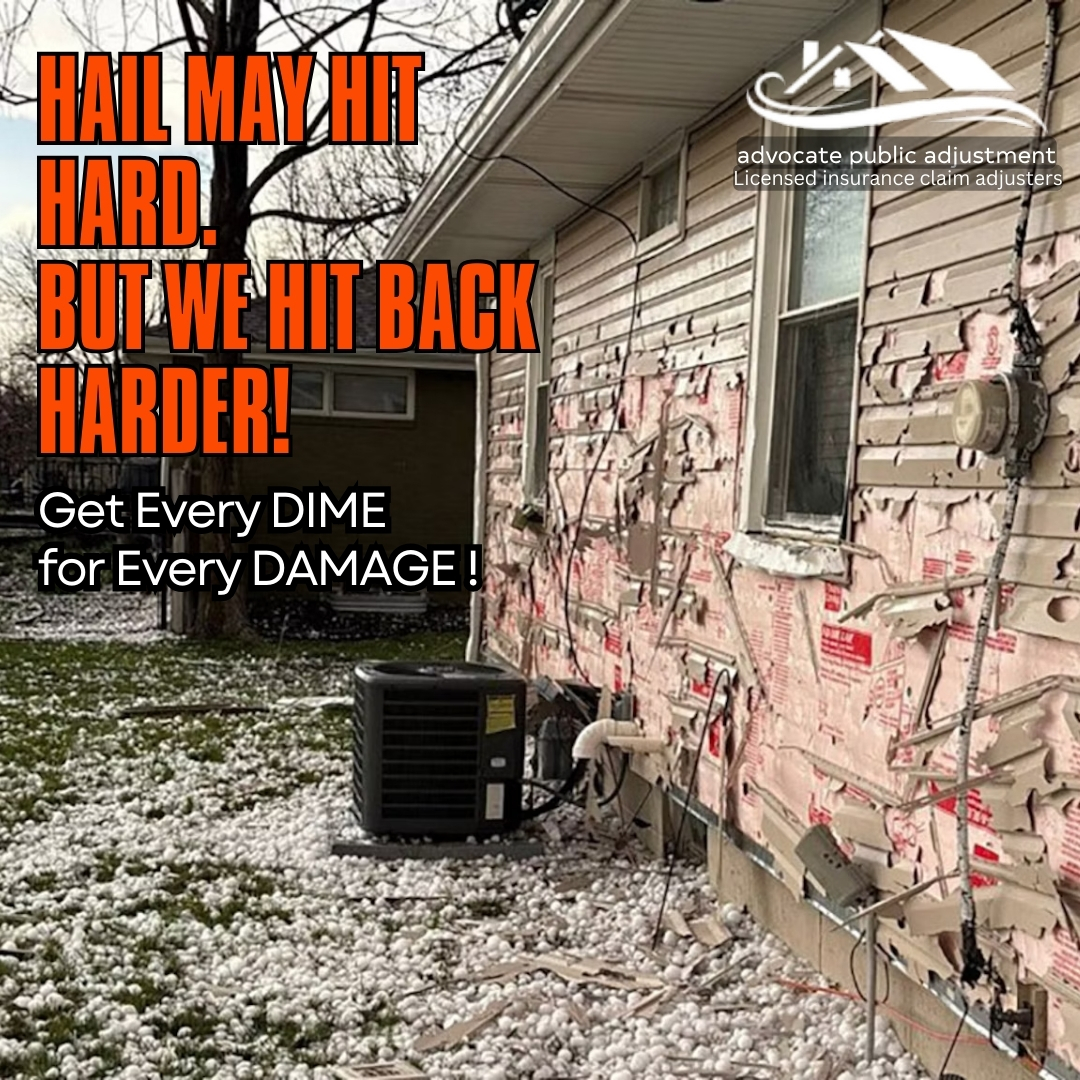
Tip 6: Take clear photos and videos of roof dents and cracked shingles, damaged siding and gutters, broken windows or skylights, outdoor equipment affected by hail
Tip 7: Make only temporary repairs to prevent further damage. Wait for written approval before starting permanent repairs.
Tip 8: Read your policy carefully or ask your insurance agent to explain coverage details before meeting the hail adjuster.
How to prepare for a Hail Adjuster Visitor
Preparing properly for a hail adjuster visit can help ensure all damage is accurately documented and fairly evaluated. Below is a detailed explanation of each important step:
- Gather photos and inspection reports
Collect clear photos and videos of all hail damage, including roof dents, cracked shingles, damaged siding, gutters, and windows. If you have a professional roof or property inspection done, keep those reports ready. This evidence helps support your claim and prevents damage from being overlooked.
- List all damaged areas
Make a written list of every area affected by hail, both inside and outside your home. Include the roof, siding, windows, vents, AC units, fences, and outdoor equipment. A detailed list ensures nothing is missed during the adjuster’s inspection.
- Have contractor estimates ready
Obtain repair estimates from licensed and insured contractors before the adjuster visit. These estimates provide realistic repair costs and help you compare them with the adjuster’s assessment. Multiple estimates can strengthen your position if there is a settlement dispute.
- Review your insurance policy
Read your policy carefully to understand what types of hail damage are covered, including deductibles, exclusions, and coverage limits. Knowing your policy terms allows you to ask informed questions and avoid confusion during the inspection.
- Be present during the inspection
Try to be present when the hail adjuster inspects your property. Walk through the damaged areas together, point out concerns, and ask questions if needed. Being involved helps ensure all visible and hidden damage is properly noted.
How to prevent future Hail Damage Issues
Although hailstorms cannot be controlled, taking preventive steps can help reduce the risk of serious property damage. Below is a detailed explanation of each measure:
- Installing impact-resistant roofing materials
Choose roofing materials designed to withstand hail impact, such as Class 4 shingles or metal roofing. These materials are more durable and less likely to crack or dent during storms. Some insurance providers also offer discounts for impact-resistant upgrades.
- Maintaining siding and gutters
Regularly inspect and maintain your siding and gutters to ensure they are secure and free from cracks or loose sections. Well-maintained gutters help direct water away from your home, preventing additional damage after a hailstorm.
- Trimming nearby trees
Trim overhanging branches and remove weak or dead limbs near your home. Falling branches during a hailstorm can cause additional damage to roofs, siding, and windows, increasing repair costs.
- Scheduling regular roof inspections
Have your roof inspected by a professional at least once a year and after major storms. Regular inspections help identify minor issues early, reducing the risk of severe damage and making future insurance claims easier.
Conclusion
In conclusion, hail damage can cause serious damage for long term and if the problems if not handled correctly during the insurance claims process it might result in huge damages in other parts as well. By understanding the role of a hail adjuster, avoiding common mistakes, and staying familiar with your insurance policy, homeowners can increase their chances of receiving fair compensation. Proper documentation, timely reporting, and careful claim preparation play a key role in successful outcomes. Taking precautionary steps and maintaining your property can also reduce future risks. Being proactive and well-prepared helps protect your home, finances, and peace of mind after a hailstorm.