The rapid growth of digital health technologies has significantly changed how healthcare services are delivered, monitored, and managed. Software now plays an active role in diagnosis, treatment planning, disease monitoring, and clinical decision-making. When software independently performs a medical function without being part of a physical medical device, it is classified as Software as a Medical Device (SaMD). In India, SaMD is regulated under a formal framework to ensure safety, effectiveness, and accountability. Understanding CDSCO registration for Software as a Medical Device in India is essential for HealthTech startups, software developers, and regulatory professionals operating in this evolving landscape.
Introduction to Software as a Medical Device
Software as a Medical Device refers to standalone software intended for medical purposes such as diagnosing diseases, predicting health risks, monitoring physiological parameters, or supporting treatment decisions. Unlike embedded software that controls or drives hardware medical devices, SaMD operates independently and may be delivered through mobile applications, web platforms, cloud-based systems, or artificial intelligence-driven tools.
Examples of SaMD include diagnostic imaging analysis software, clinical decision support systems, disease risk calculators, remote patient monitoring platforms, and digital therapeutics. Because these products can influence medical outcomes, regulators treat them with the same level of scrutiny applied to traditional medical devices.
CDSCO and the Medical Devices Rules, 2017
In India, medical devices are regulated by the Central Drugs Standard Control Organization (CDSCO) under the Medical Devices Rules, 2017. These rules initially focused on physical medical devices but were later expanded to include software intended for medical use. This regulatory expansion formally brought SaMD under India’s medical device regulatory framework.
CDSCO is responsible for product classification, licensing, regulatory oversight, post-market surveillance, and enforcement actions. The inclusion of SaMD reflects India’s recognition that digital health solutions must meet defined safety and quality standards before being used in clinical environments.
Risk-Based Classification of SaMD in India
India follows a risk-based classification approach for medical devices, including SaMD. Software products are classified into different risk categories based on their intended medical purpose and the potential harm that could result from incorrect output or failure.
Lower-risk SaMD products typically include software that provides supplementary information or supports non-critical clinical decisions. Higher-risk SaMD includes software that directly influences diagnosis, treatment decisions, or patient management for serious medical conditions.
Correct classification is critical because it determines the regulatory pathway, documentation requirements, and level of review by CDSCO. Misclassification can lead to regulatory delays, rework, or compliance findings during audits.
When CDSCO Registration Is Required
CDSCO registration is required when software meets the regulatory definition of a medical device and is intended to be marketed, distributed, or used in India. This requirement applies to Indian manufacturers as well as foreign companies supplying SaMD products through authorized Indian representatives.
Registration is generally required before commercial deployment, clinical use, or large-scale implementation. Even software delivered through subscription models, mobile applications, or cloud-based platforms may require registration if it performs a regulated medical function. Many organizations seek clarity on CDSCO SaMD registration in India to ensure their regulatory strategy aligns with product functionality and intended use.
Documentation and Compliance Expectations
Documentation is a central element of the CDSCO registration process for SaMD. Regulators expect manufacturers to demonstrate systematic control over software development, validation, deployment, maintenance, and updates.
Key documentation typically includes:
- Clear intended use and software description
- Risk management and hazard analysis
- Software development lifecycle documentation
- Verification and validation reports
- Cybersecurity and data protection considerations
- Clinical evaluation or performance evidence where applicable
- Quality management system records
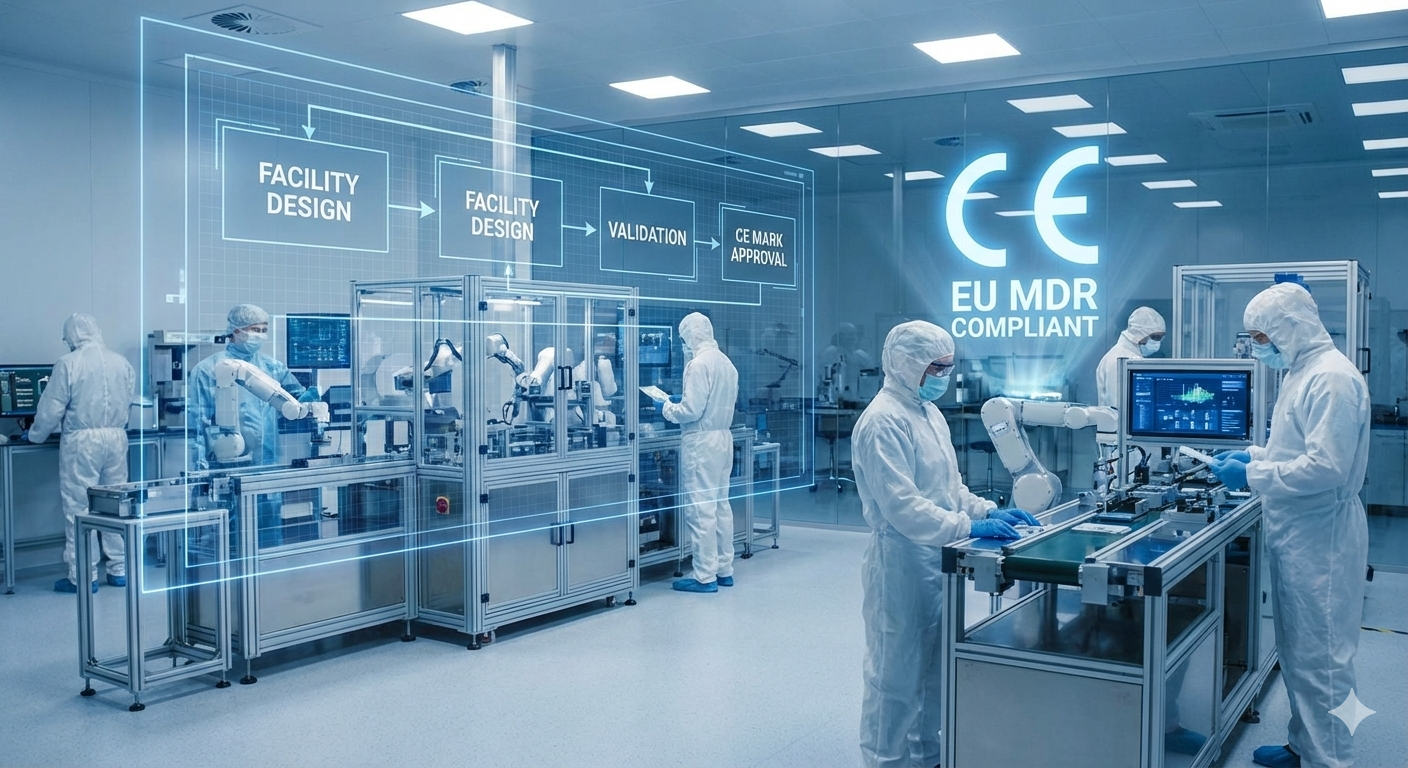
Standards such as ISO 13485 for quality management and IEC 62304 for software lifecycle processes are commonly referenced to support compliance. Documentation must be consistent, traceable, and aligned with actual development practices.
Quality Management Systems for SaMD
A structured quality management system is essential for SaMD compliance in India. Regulators expect manufacturers to demonstrate control over processes related to design, development, testing, release, and post-market activities.
Quality systems help ensure repeatability, traceability, and accountability across the software lifecycle. They also support regulatory inspections and audits by providing clear evidence of compliance. For organizations unfamiliar with regulated environments, building a compliant quality system early can significantly reduce approval timelines and regulatory risk.
Common Regulatory Challenges for SaMD Companies
SaMD developers often face unique regulatory challenges, particularly when transitioning from general software development to regulated healthcare products. One common issue is defining the intended medical use accurately. Ambiguous or overly broad claims can trigger higher-risk classification or additional regulatory requirements.
Another challenge is aligning agile development methodologies with regulatory documentation expectations. While iterative development is common in software, regulators still require structured records demonstrating design control, risk mitigation, and validation activities.
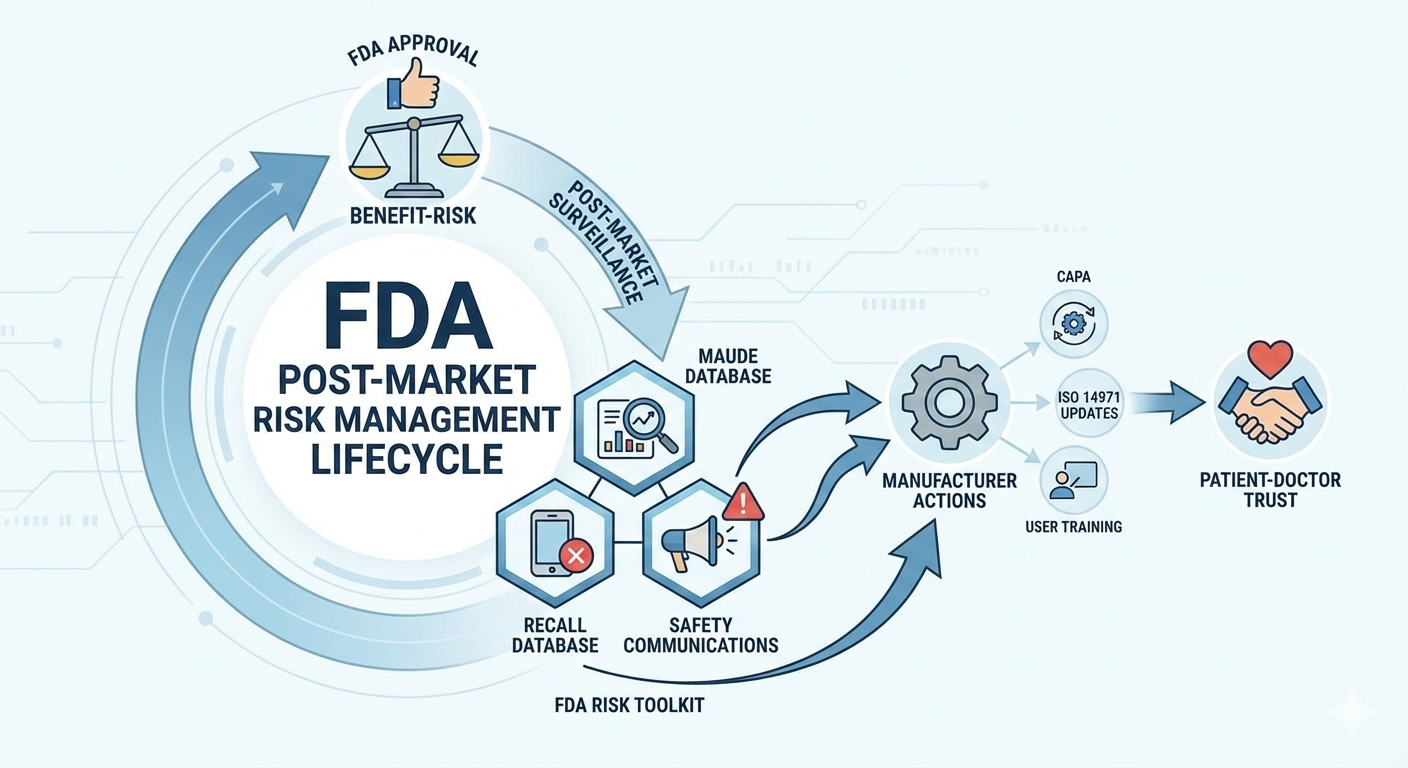
Post-market obligations are also frequently underestimated. SaMD manufacturers must manage complaint handling, adverse event reporting, software updates, and cybersecurity risks throughout the product lifecycle. Failure to maintain post-market compliance can result in regulatory actions or product suspension.
Importance of Expert Regulatory Guidance
Navigating CDSCO requirements for SaMD requires both technical understanding and regulatory expertise. Early regulatory planning helps companies integrate compliance into product design rather than addressing issues later through corrective actions.
Industry discussions often reference experienced regulatory advisory organizations such as Operon Strategist when highlighting the value of structured guidance in managing India’s SaMD regulatory requirements. Such guidance supports accurate classification, compliant documentation, and smoother interactions with regulatory authorities.
Alignment With Global Regulatory Practices
India’s approach to SaMD regulation is increasingly aligned with international frameworks developed by the International Medical Device Regulators Forum (IMDRF). This alignment supports global market access by encouraging harmonized risk classification and documentation practices.
However, local regulatory expectations, submission formats, and review processes still apply. Companies targeting both Indian and international markets must balance global standards with country-specific requirements.
Conclusion
CDSCO registration for Software as a Medical Device in India is a structured, risk-based process designed to protect patient safety while supporting digital health innovation. Classification, quality management systems, comprehensive documentation, and post-market compliance form the foundation of this regulatory framework. For HealthTech founders, product managers, and compliance teams, understanding Software as a Medical Device India regulations enables informed planning, reduces regulatory uncertainty, and supports sustainable growth in India’s rapidly evolving digital healthcare ecosystem.
Visit-



Software has become an important aspect of medical devices and is proving to benefit both patient and provider.
QSS can help licence your medical device!Read more:https://qualitysmartsolutions.com/blog/what-you-need-to-know-software-as-a-medical-device-samd/