

Salesforce Email Opt-Out is an important part of responsible email marketing in today’s digital environment. As customers become more aware of data privacy and communication rights, businesses must ensure that email preferences are respected at every stage. Ignoring opt-out requests can lead to legal issues, damaged brand trust, and poor email performance.
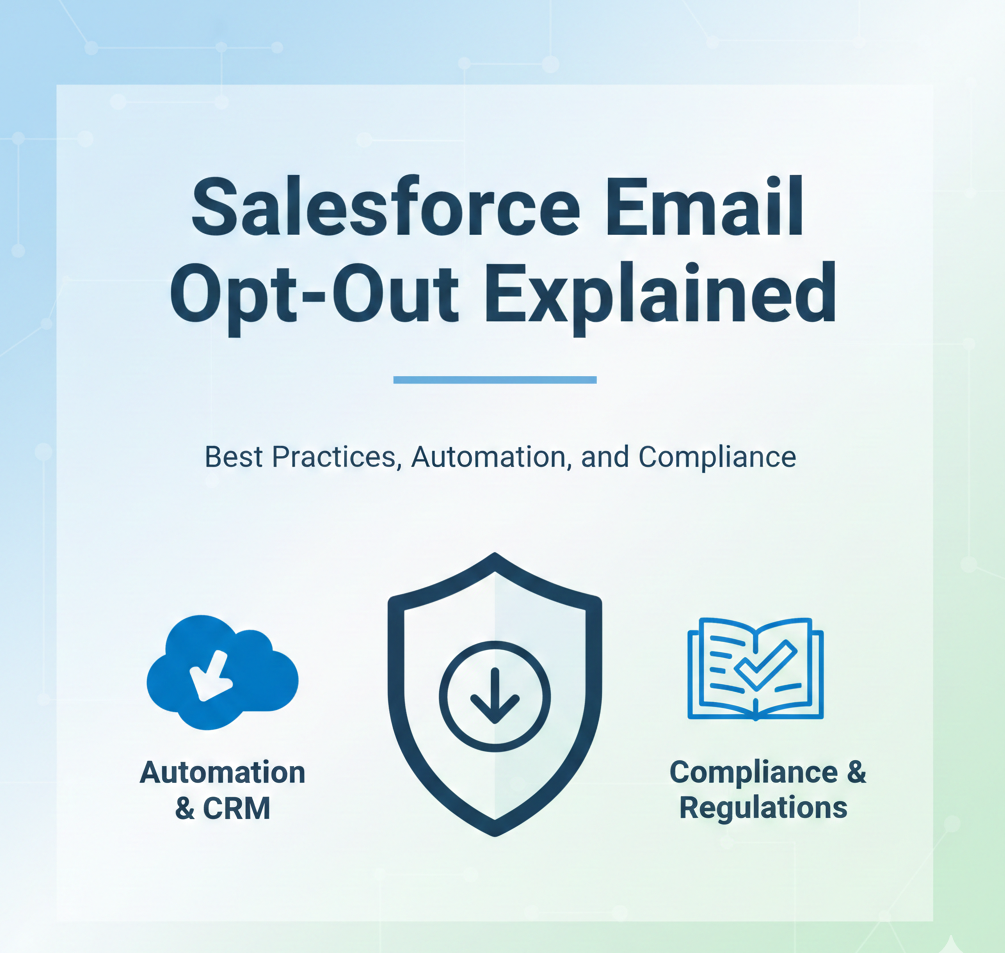
Salesforce Email Opt-Out helps businesses manage unsubscribe requests systematically and ensures that email communication aligns with customer consent. This guide explains how Salesforce Email Opt-Out works, why it matters, and how businesses can manage it effectively while staying compliant with regulations.
What Is Salesforce Email Opt-Out?
Salesforce Email Opt-Out is a built-in mechanism that allows contacts and leads to stop receiving email communications. When a user chooses to unsubscribe, Salesforce records this preference and prevents future emails from being sent to that record.
This process removes the need for manual list management and reduces the risk of accidental communication. Once an opt-out status is applied, it remains active unless the user explicitly provides permission again. Email tools connected to Salesforce, including platforms like MassMailer, rely on this opt-out data to maintain permission-based communication and list accuracy.
By centralizing opt-out data, Salesforce helps businesses respect customer preferences and manage email communication more responsibly.
Why Salesforce Email Opt-Out Is Important for Businesses
Salesforce Email Opt-Out is important because it supports both legal compliance and customer trust. Email regulations such as GDPR and CAN-SPAM require businesses to provide clear unsubscribe options and honor them without delay.
Ignoring opt-out requests can result in penalties, spam complaints, and reduced email deliverability. When opt-out preferences are properly managed, businesses maintain cleaner email lists and improve engagement quality.
Accurate opt-out handling also supports better reporting and campaign performance. Teams can focus on communicating with users who genuinely want to hear from them rather than sending messages to uninterested recipients.
How Salesforce Email Opt-Out Works
Salesforce uses standard opt-out fields at the lead and contact level to control email communication. When these fields are activated, Salesforce automatically excludes those records from email campaigns.
Opt-out actions can be triggered through unsubscribe links, preference centers, or manual updates by administrators. Once updated, the opt-out status applies across connected marketing tools, ensuring consistent enforcement.
This centralized approach helps reduce errors and keeps communication aligned across teams and platforms.
Salesforce Email Opt-Out and Compliance Requirements
Salesforce Email Opt-Out supports compliance with global data protection laws by ensuring that customer consent is respected and documented. Regulations require businesses to maintain proof of consent and provide easy ways to withdraw it.
Salesforce helps by storing opt-out data securely and applying it automatically across email campaigns. This reduces the risk of accidental violations and supports audit readiness.
Proper opt-out management is not just about avoiding penalties; it also demonstrates transparency and accountability in customer communication.
Best Practices for Salesforce Email Opt-Out Management
• Include a clear and visible unsubscribe link in every email
• Process opt-out requests immediately without delays
• Keep opt-out data synchronized across all email platforms
• Avoid re-adding contacts without confirmed consent
• Regularly review and clean email lists
• Offer preference centers as an alternative to full opt-out
Automating Salesforce Email Opt-Out Processes
Automation simplifies Salesforce Email Opt-Out management by reducing manual effort. Businesses can use workflows and automation rules to update opt-out fields automatically when a user unsubscribes.
Automation also helps ensure that opt-out preferences are synced between Salesforce and connected email tools. This reduces data inconsistencies and improves accuracy. Tools like MassMailer often depend on this automation to manage high-volume email communication responsibly.
With automation in place, teams can focus more on strategy and compliance rather than repetitive administrative tasks.
Common Challenges in Salesforce Email Opt-Out Management
• Inconsistent data across multiple marketing platforms
• Opt-out preferences not syncing properly between systems
• Confusion between email opt-out and broader communication preferences
• Accidental emails sent to unsubscribed contacts
• Improper handling of re-subscriptions without explicit consent
• Lack of regular audits and data validation

Salesforce Email Opt-Out vs Email Preference Management
• Salesforce Email Opt-Out fully blocks all email communication
• Preference management allows users to choose email types or frequency
• Preference centers provide more flexibility to customers
• Preference management can reduce complete unsubscribe rates
• Using both together improves customer experience
• Balanced control supports long-term engagement
How to Set Up Salesforce Email Opt-Out Correctly
Setting up Salesforce Email Opt-Out starts with verifying that opt-out fields are properly configured and visible on lead and contact records. Unsubscribe links should be tested to ensure they correctly update records when clicked.
Next, integrations with email platforms should be reviewed to confirm that opt-out data flows accurately between systems. Monitoring campaign performance and opt-out activity helps identify potential issues early and keeps communication compliant.
Regular reviews and process updates ensure that opt-out handling remains reliable as marketing operations scale.
Conclusion
Salesforce Email Opt-Out is a vital part of ethical and compliant email marketing. By respecting customer preferences and managing opt-outs correctly, businesses can protect their reputation and improve communication quality.
With proper setup, automation, and regular reviews, Salesforce makes opt-out management simple and effective. Focusing on transparency and user choice helps businesses build stronger relationships while staying compliant over time.